When it comes to sculpting a visually appealing and powerful upper body, the biceps play a pivotal role.
Not only do they contribute significantly to the overall aesthetic of the arms, but they also offer substantial functional benefits, enhancing strength and stability in various upper-body movements. In the realm of fitness and bodybuilding, the quest for well-defined biceps is a common goal, driven by their symbol of strength and dedication to training.


Focusing on key exercises for targeted muscle growth is crucial in achieving this goal. It simplifies the training process, making it more efficient and effective. Instead of overwhelming oneself with an excessive variety of exercises, honing in on a few that directly impact the biceps can lead to more significant results. This approach ensures that every rep and set is optimally contributing to your muscle-building objectives.
In this article, we’ll simplify the biceps workout routine to just three essential exercises. By concentrating on these pivotal movements, you’ll be able to build the biceps of your dreams more efficiently. We’ll guide you through each exercise, explaining their importance and how they contribute to biceps development. Get ready to enhance your arm training with a focused and streamlined approach.
Understanding the Biceps
The biceps muscle group is more complex than many realise, consisting of the biceps brachii, brachialis, and brachioradialis. The biceps brachii, with its two heads (the long and short head), is the most visible and is primarily responsible for the muscle’s shape and peak. Beneath it, the brachialis contributes to overall arm thickness, while the brachioradialis, part of the forearm, supports the biceps during curling motions and helps with the visual density of the arm.
Role in Arm Movements and Lifts
The biceps are involved in various arm movements, primarily flexion (bending) of the elbow and supination (turning) of the forearm.
This makes them crucial not just for pulling movements like rows and pull-ups but also for stabilising the arm in pushing exercises. Their strength and endurance are vital for enhancing performance across a wide range of upper-body exercises, contributing to overall upper-body strength and functionality.
Importance of Targeted Exercises
Targeted exercises are paramount for biceps development. They ensure that the muscle fibres are engaged and stimulated for growth, particularly through movements that isolate the biceps and apply direct tension.
This focused approach allows for more effective muscle fatigue and breakdown, which, with proper recovery, leads to muscle growth. Incorporating exercises that target each part of the biceps ensures balanced development, contributing to both the aesthetic and functional strength of the arms.
By understanding the anatomy and role of the biceps, we can appreciate why targeted exercises are essential. In the following sections, we’ll explore the three exercises that are key to building biceps that are not only aesthetically pleasing but also functionally strong.
The Three Essential Biceps Exercises
To sculpt the biceps of your dreams, incorporating these three exercises into your routine can lead to impressive growth and definition. Each targets the biceps in a unique way, ensuring comprehensive development and strength. Here’s how to perform them correctly:
Exercise 1: Barbell Curl
Description: The barbell curl is a quintessential exercise for targeting the biceps brachii. It’s renowned for its effectiveness in building both the size and strength of the biceps, making it a staple in arm training routines.
Technique:
- Stand with your feet shoulder-width apart, holding a barbell with an underhand grip, hands also shoulder-width apart.
- Keep your elbows close to your torso, shoulders back, and chest up.
- Curl the bar towards your chest, keeping your upper arms stationary. Exhale as you perform this part of the movement.
- Hold the top position for a brief pause, squeezing your biceps.
- Slowly lower the bar back to the starting position as you inhale.
- Repeat for the recommended number of repetitions, maintaining control throughout the exercise.
Variations: Altering your grip width can target the biceps slightly differently. A wider grip will place more emphasis on the short head of the biceps, while a narrower grip targets the long head.
Exercise 2: Hammer Curl
Description: The hammer curl is essential for developing the brachialis and brachioradialis. This variation contributes to the overall thickness of the arms and complements the shape achieved through other curls.
Technique:
- Stand with your feet hip-width apart, holding a dumbbell in each hand at arm’s length, palms facing your torso.
- Keep your elbows close to your body throughout the exercise.
- Curl the weights while keeping your palms facing each other, exhale as you lift.
- Once the dumbbells are at shoulder level, hold the position briefly, squeezing your biceps.
- Gradually lower the dumbbells back to the starting position as you inhale.
- Perform the exercise for the desired number of reps, ensuring each movement is controlled and deliberate.
Benefits: Hammer curls enhance the thickness of your arms by targeting the often-neglected brachialis muscle and the forearm’s brachioradialis. This exercise complements the barbell curl by ensuring balanced arm development and strength.
Exercise 3: Concentration Curl
Description: The concentration curl isolates the biceps brachii, facilitating peak contraction and focused muscle growth. It’s excellent for adding detail and peak to the biceps.
Technique:
- Sit on the edge of a bench with your legs spread wide, and a dumbbell in one hand.
- Lean forward slightly, resting your elbow against your inner thigh for stability.
- Start with your arm fully extended, holding the dumbbell with a palms-up grip.
- Curl the weight towards your shoulder, focusing on moving only your forearm. Exhale as you lift.
- Squeeze your bicep at the top of the movement, then slowly lower the dumbbell back to the start position while inhaling.
- Complete the set on one arm before switching to the other.
Tips: Emphasise the mind-muscle connection by focusing on the bicep’s contraction and relaxation throughout the exercise. Avoid swinging the weight; control is crucial for maximising the efficacy of the concentration curl.
10 Best Exercises to Lose Fat At Home
10 Rules to Never Have Belly Fat Again
Incorporating these three exercises into your biceps routine will ensure comprehensive development, from the foundational bulk provided by the barbell curl to the detailed sculpting offered by the concentration curl. Practice them with focus and dedication, and the biceps of your dreams will become a reality.
Incorporating These Exercises Into Your Routine
Frequency: For optimal biceps growth, aim to train your biceps 2-3 times per week. This frequency allows for ample stimulation while also providing sufficient rest for recovery and growth. Ensure there’s at least 48 hours of rest between sessions targeting the biceps to prevent overtraining and enhance muscle repair.
Volume:
Beginners: Start with 2-3 sets of 8-12 repetitions for each exercise. This volume is effective for muscle growth and allows you to focus on form and technique.
How to Reduce Hunger While Dieting
Intermediate to Advanced Lifters: Increase to 3-4 sets of 6-12 repetitions, depending on your goals and tolerance. Advanced lifters may also incorporate additional variations or increase intensity with techniques like supersets or drop sets.
Progression: To continuously grow your biceps, embrace the principle of progressive overload. This means gradually increasing the weight, volume (sets and reps), or intensity of your workouts over time. Aim to make small improvements each week, whether that’s adding a little more weight, performing an extra rep, or executing your sets with stricter form.
Additional Tips for Biceps Development
Rest and Recovery: Muscle growth occurs outside the gym during periods of rest. Ensure you’re getting enough sleep and allowing your muscles to recover properly between workouts. Aim for 7-9 hours of sleep per night and consider incorporating rest days or active recovery days into your routine to maximise growth.
Nutrition: Support your muscle repair and growth with a balanced diet rich in protein, healthy fats, and carbohydrates. Protein is particularly crucial for muscle repair, so include sources like chicken, fish, eggs, dairy, and legumes in your diet. Additionally, stay hydrated and consider supplements like whey protein, creatine, or BCAAs if you struggle to meet your nutritional needs through diet alone.
Genetics: While hard work and dedication can lead to significant improvements in muscle size and strength, genetics also play a role in muscle shape and growth potential. Recognise and embrace your unique body type, focusing on your personal progress rather than comparing yourself to others.
Conclusion
We’ve explored the three essential exercises for biceps development: the barbell curl, hammer curl, and concentration curl. These movements target the biceps from various angles and contribute to both size and definition. By incorporating these exercises into your routine, adhering to recommended frequency and volume, and focusing on progression, you’ll be well on your way to building the biceps of your dreams.
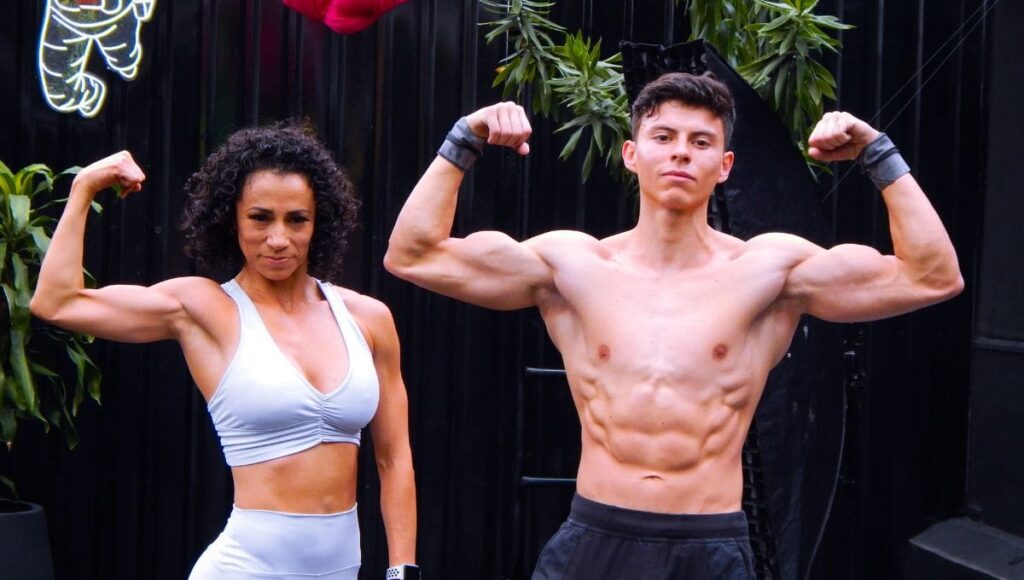
Remember, consistency, patience, and proper technique are key to achieving your fitness goals. Muscle growth takes time and dedication, so stay committed to your training, prioritise rest and nutrition, and adjust your approach as needed.
Let this be the motivation to start or continue your journey towards impressive biceps. With each curl, you’re not just lifting weights; you’re lifting your potential. So, embrace the challenge, enjoy the process, and celebrate the gains that come with it. Your dream biceps are within reach—commit to your routine, and watch them grow.