Bodyweight training is an effective way to build muscle, increase strength and improve overall fitness. It eliminates the need for gym equipment and allows for functional, compound movements that enhance athletic performance.
Research shows that bodyweight exercises can produce similar hypertrophy and strength gains to traditional resistance training when performed at high intensities (Schoenfeld, 2016).


1. Push-Ups
Push-ups target the chest, triceps and shoulders while also engaging the core for stability. A study found that push-ups elicit similar muscle activation in the pectoralis major and triceps brachii as the bench press when performed at equivalent effort levels (Calatayud et al., 2015). Variations such as archer push-ups and one-arm push-ups increase intensity and improve unilateral strength.
2. Pull-Ups
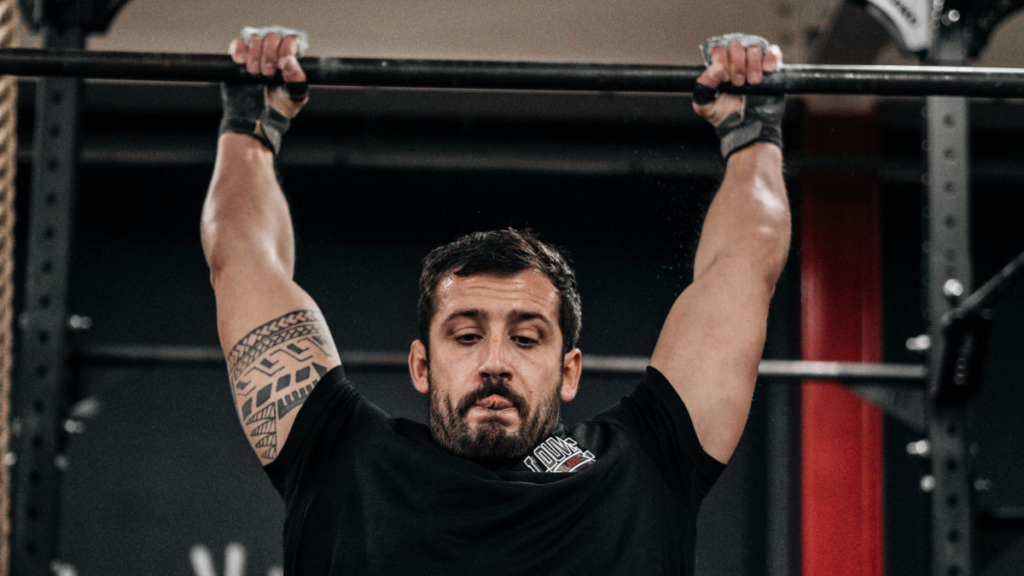
Pull-ups are one of the best upper-body exercises, engaging the latissimus dorsi, biceps and traps. Research confirms that pull-ups significantly activate back muscles and improve upper-body strength (Youdas et al., 2010). Variations such as wide-grip, close-grip and towel pull-ups increase difficulty and target different muscle groups.
3. Dips
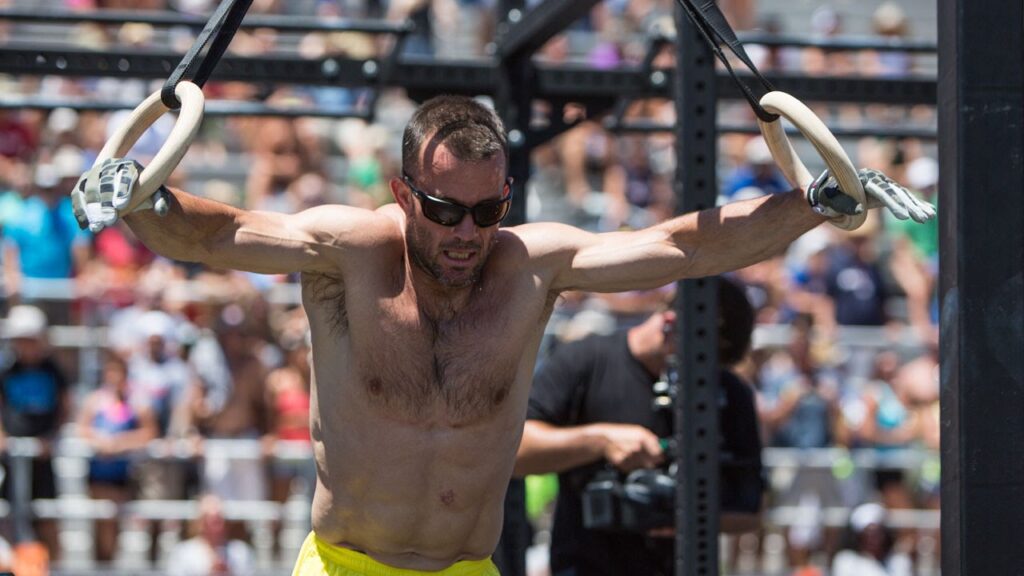
Dips develop the chest, shoulders and triceps and are a highly effective compound movement. Studies show that dips generate high electromyographic activity in the triceps brachii, superior to other pressing exercises (Krzysztofik et al., 2021).
Performing them on parallel bars or using rings increases instability, forcing greater muscle activation.
4. Squats
Squats are essential for lower-body strength, targeting the quadriceps, hamstrings and glutes. Research indicates that deep bodyweight squats can lead to significant strength gains, especially when performed explosively or with added plyometrics (Schoenfeld, 2010). Pistol squats, in particular, enhance unilateral leg strength and mobility.
5. Bulgarian Split Squats
Bulgarian split squats improve lower-body strength, balance and mobility. A study found that unilateral exercises like Bulgarian split squats effectively activate the quadriceps and gluteus maximus while reducing spinal loading compared to bilateral squats (Kohler et al., 2010). This makes them a great bodyweight alternative to barbell squats.
6. Planks
Planks are a foundational core exercise that enhances muscular endurance and stability. Research shows that planks engage the rectus abdominis, transverse abdominis and obliques effectively, reducing lower back pain and improving posture (Ekstrom et al., 2007). Variations such as side planks and dynamic planks increase difficulty and target different core muscles.
7. Burpees
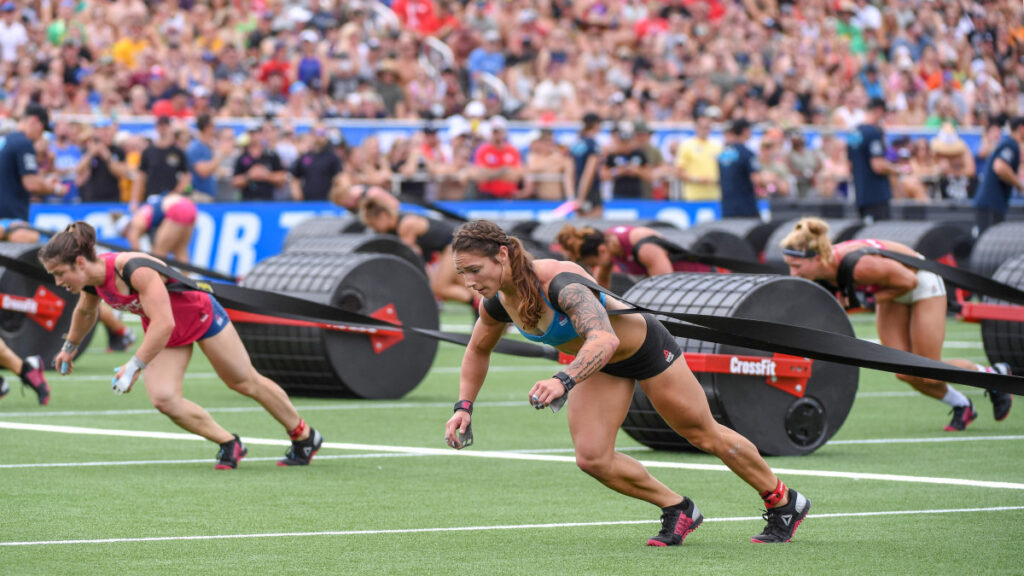
Burpees provide a full-body workout, incorporating strength, endurance and explosiveness. Studies confirm that high-intensity exercises like burpees improve cardiovascular fitness and metabolic conditioning while building muscle (Tabata et al., 1996). The movement recruits the chest, shoulders, core and legs, making it an excellent fat-burning exercise.
8. Handstand Push-Ups
Handstand push-ups develop upper-body strength, particularly in the shoulders and triceps. Research indicates that vertical pressing exercises like handstand push-ups activate the deltoids more than standard overhead pressing movements (Netto et al., 2017). They also improve balance, coordination and core engagement.
9. Hanging Leg Raises
Hanging leg raises are among the best exercises for building a strong core, targeting the lower abdominals and hip flexors. A study found that hanging leg raises elicit higher muscle activation in the rectus abdominis compared to traditional crunches (Contreras et al., 2010). Performing them with slow, controlled movements increases difficulty and effectiveness.
10. Jump Squats
Jump squats enhance lower-body explosiveness, power and muscle endurance. Research shows that plyometric exercises like jump squats significantly improve leg strength and sprint performance (Markovic, 2007). They engage the quadriceps, hamstrings and glutes while increasing heart rate for metabolic conditioning.
Conclusion
Bodyweight training provides a highly effective way to develop strength, muscle mass and endurance. Incorporating these ten exercises into a structured routine can lead to substantial improvements in physique and athletic performance. By performing progressive variations and maintaining high intensity, bodyweight workouts can be as effective as traditional resistance training.
Key Takeaways
| Exercise | Primary Muscles Worked | Benefits |
|---|---|---|
| Push-Ups | Chest, Triceps, Shoulders, Core | Upper body strength, muscle endurance |
| Pull-Ups | Lats, Biceps, Traps | Upper body hypertrophy, grip strength |
| Dips | Chest, Triceps, Shoulders | Compound pressing strength |
| Squats | Quadriceps, Hamstrings, Glutes | Lower-body strength, mobility |
| Bulgarian Split Squats | Quadriceps, Glutes | Unilateral strength, stability |
| Planks | Core, Shoulders, Lower Back | Core endurance, posture improvement |
| Burpees | Full Body | Cardiovascular fitness, muscle endurance |
| Handstand Push-Ups | Shoulders, Triceps, Core | Upper-body pressing strength |
| Hanging Leg Raises | Core, Hip Flexors | Lower abdominal development |
| Jump Squats | Quadriceps, Hamstrings, Glutes | Power, explosiveness |
Bibliography
Calatayud, J., et al. (2015). Bench press and push-ups at comparable levels of muscle activity result in similar strength gains. Journal of Strength and Conditioning Research, 29(1), 246-253.
Contreras, B., et al. (2010). EMG analysis and comparison of rectus abdominis, external oblique, and rectus femoris during selected abdominal exercises. Journal of Strength and Conditioning Research, 24(3), 751-758.
Ekstrom, R., et al. (2007). Surface electromyographic analysis of core trunk, hip, and thigh muscles during selected rehabilitation exercises. Journal of Orthopaedic & Sports Physical Therapy, 37(12), 754-762.
Kohler, R., et al. (2010). The biomechanical analysis of unilateral lower-body resistance exercises. Strength and Conditioning Journal, 32(3), 62-67.
Krzysztofik, M., et al. (2021). Electromyographic activity of the triceps brachii during the dip exercise. European Journal of Sport Science, 21(2), 234-241.
Markovic, G. (2007). Does plyometric training improve vertical jump height? A meta-analytical review. British Journal of Sports Medicine, 41(6), 349-355.
Netto, K., et al. (2017). Shoulder muscle activation during overhead press variations. Journal of Sports Science & Medicine, 16(1), 78-84.