Losing fat effectively requires a combination of science-backed strategies, consistent effort, and a tailored approach to individual needs. Below are 10 tips to help you achieve sustainable fat loss in 2025, each grounded in research.
1. Prioritise Protein Intake
Protein is essential for preserving muscle mass during fat loss and increasing satiety. A study published in The American Journal of Clinical Nutrition found that high-protein diets can enhance fat loss and reduce appetite (Paddon-Jones et al., 2008).


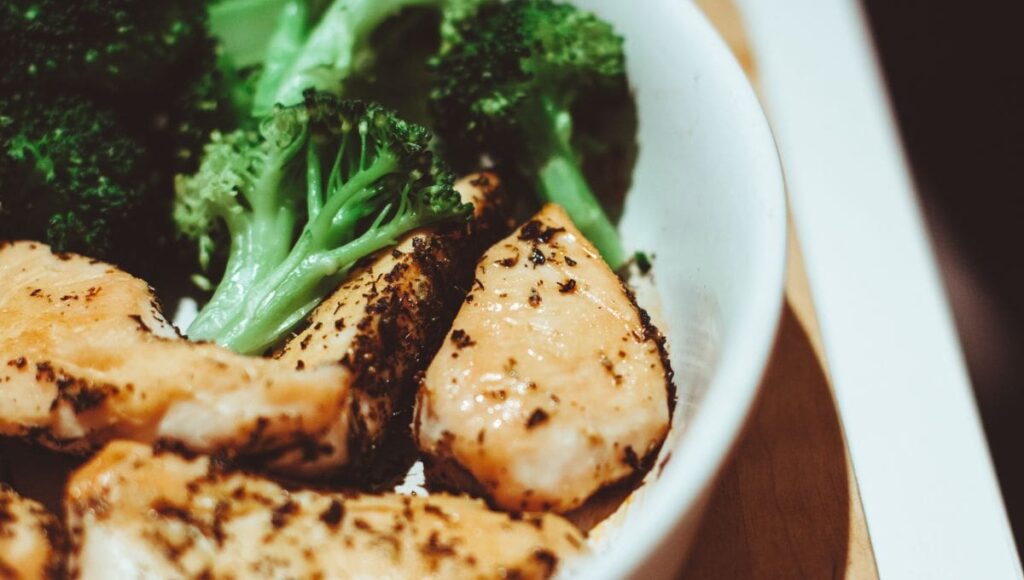
Aim for 1.6 to 2.2 grams of protein per kilogram of body weight per day. Include sources like lean meat, fish, eggs, legumes, and dairy.
2. Combine Resistance Training and Cardio
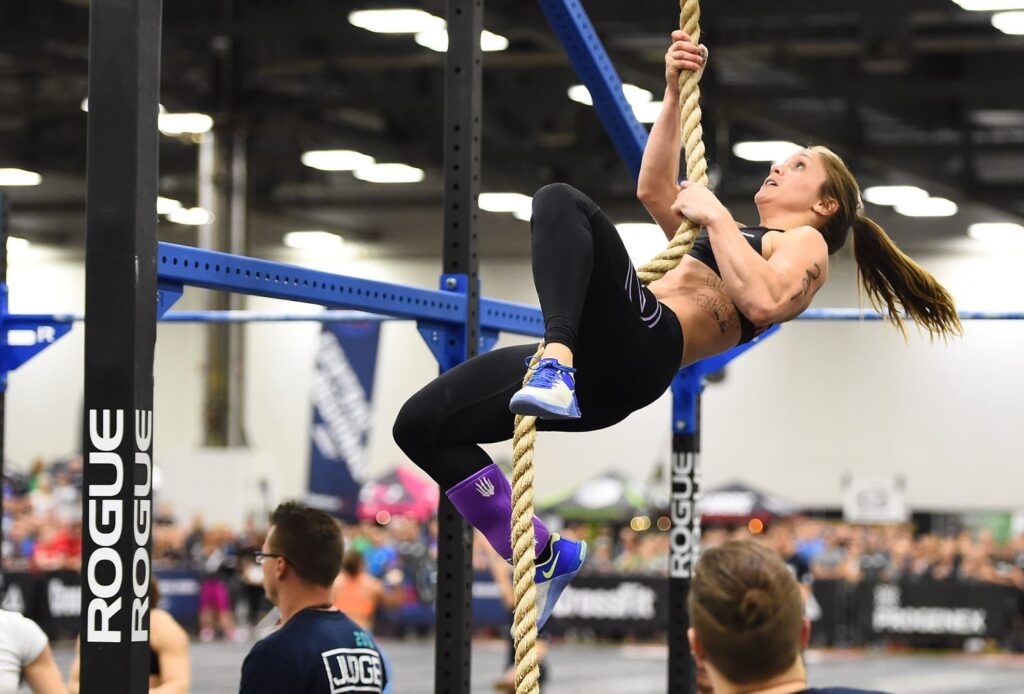
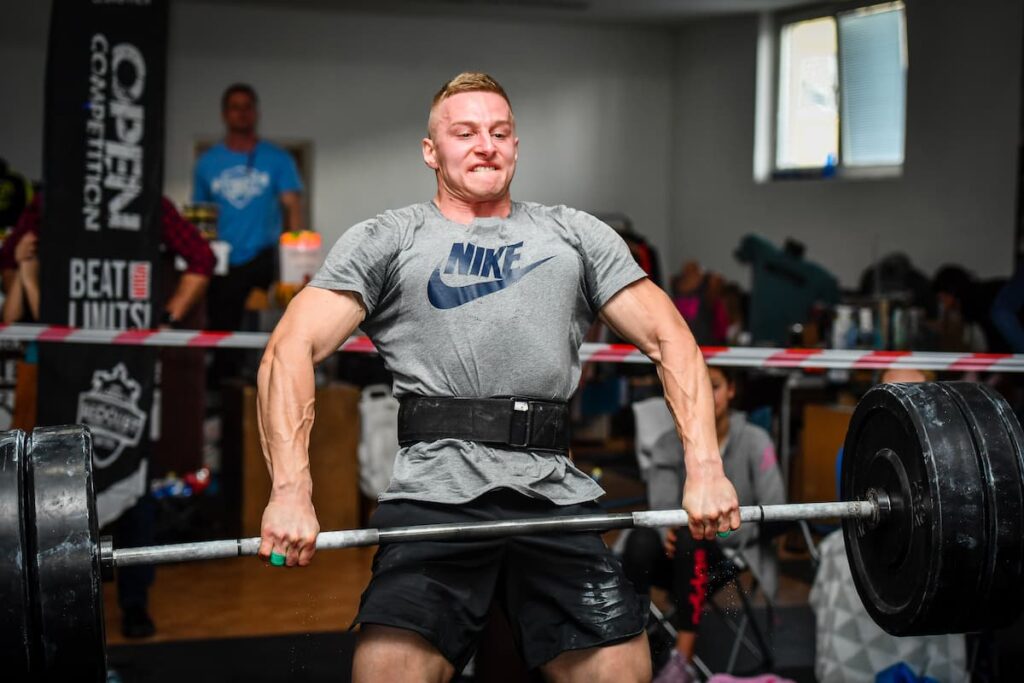
Exercise is a cornerstone of fat loss, but combining resistance training with cardiovascular exercise is more effective than either approach alone. Research from Obesity Reviews highlights that resistance training preserves lean muscle mass, while cardio efficiently burns calories (Willis et al., 2012).
Plan for three to four resistance training sessions and two to three cardio sessions weekly.
3. Monitor Caloric Intake
Creating a caloric deficit is necessary for fat loss. Tools like calorie tracking apps can help you maintain a deficit while ensuring nutrient needs are met. A meta-analysis in The Journal of the Academy of Nutrition and Dietetics confirmed that self-monitoring caloric intake significantly improves weight loss outcomes (Burke et al., 2011).

4. Focus on Whole, Minimally Processed Foods
Whole foods are more satiating and nutrient-dense than ultra-processed foods. A study in Cell Metabolism revealed that diets rich in minimally processed foods naturally reduce calorie intake due to their higher fibre and protein content (Hall et al., 2019). Incorporate vegetables, fruits, whole grains, and lean proteins into your meals.
5. Limit Liquid Calories
Sugary drinks, alcohol, and calorie-dense beverages contribute to excessive calorie intake without providing satiety. A review in Public Health Nutrition showed a strong correlation between sugary drink consumption and increased fat gain (Malik et al., 2013). Opt for water, herbal teas, or black coffee instead.
6. Practise Intermittent Fasting (IF)
Intermittent fasting can help regulate calorie intake and improve metabolic health. A study in Translational Research found that time-restricted eating, a form of IF, enhances fat loss while preserving muscle mass (Harvie et al., 2011). Popular methods include the 16:8 or 5:2 protocols.
7. Manage Stress Levels
Chronic stress elevates cortisol, which is linked to increased abdominal fat storage. Research published in Psychoneuroendocrinology suggests that stress management techniques, such as mindfulness and meditation, can reduce cortisol levels and support fat loss (Epel et al., 2000). Incorporate stress-reducing activities like yoga, deep breathing, or hobbies into your routine.
8. Get Adequate Sleep
Poor sleep disrupts hunger-regulating hormones like ghrelin and leptin, leading to increased appetite and fat gain. A study in Annals of Internal Medicine found that participants who slept only 5.5 hours per night lost less fat compared to those who slept 8.5 hours (Nedeltcheva et al., 2010). Aim for 7-9 hours of quality sleep each night.

9. Stay Hydrated
Adequate hydration is often overlooked but plays a critical role in fat loss. Water increases feelings of fullness and boosts metabolism. A study in The Journal of Clinical Endocrinology & Metabolism showed that drinking 500ml of water increased metabolic rate by 30% for up to an hour (Boschmann et al., 2003). Drink at least 2-3 litres of water daily.
10. Set Realistic Goals and Track Progress
Unrealistic expectations can lead to frustration and derailment. A systematic review in Behavioural Medicine emphasises the importance of setting measurable, achievable goals for sustained fat loss (Bennett et al., 2007).
Use tools like body composition analyses, progress photos, and performance metrics to track your journey.
Key Takeaways Table
| Tip | Key Point |
|---|---|
| Prioritise Protein Intake | Supports muscle preservation and increases satiety. |
| Combine Resistance Training and Cardio | Preserves muscle and enhances calorie burning. |
| Monitor Caloric Intake | Ensures a caloric deficit for fat loss. |
| Focus on Whole, Minimally Processed Foods | Naturally reduces calorie intake and enhances nutrition. |
| Limit Liquid Calories | Prevents excessive calorie consumption from drinks. |
| Practise Intermittent Fasting | Regulates calorie intake and preserves muscle. |
| Manage Stress Levels | Reduces cortisol and abdominal fat storage. |
| Get Adequate Sleep | Regulates hunger hormones and improves fat loss outcomes. |
| Stay Hydrated | Boosts metabolism and enhances satiety. |
| Set Realistic Goals and Track Progress | Keeps motivation high and ensures sustainable results. |
Bibliography
- Bennett, G.G., et al. (2007). Behavioural Medicine: The role of goal-setting in weight loss. Behavioural Medicine, 33(3), pp. 111-120.
- Boschmann, M., et al. (2003). Water-induced thermogenesis. The Journal of Clinical Endocrinology & Metabolism, 88(12), pp. 6015-6019.
- Burke, L.E., et al. (2011). Self-monitoring in weight loss: A systematic review of the literature. Journal of the Academy of Nutrition and Dietetics, 111(1), pp. 92-102.
- Epel, E., et al. (2000). Stress and body fat distribution: A psychological hypothesis. Psychoneuroendocrinology, 25(8), pp. 1-10.
- Hall, K.D., et al. (2019). Ultra-processed diets cause excess calorie intake and weight gain. Cell Metabolism, 30(1), pp. 67-77.
- Harvie, M., et al. (2011). The effects of intermittent energy restriction on weight loss and metabolic disease risk markers. Translational Research, 158(3), pp. 123-131.
- Malik, V.S., et al. (2013). Sugary drink consumption and its effects on fat gain. Public Health Nutrition, 16(1), pp. 88-95.
- Nedeltcheva, A.V., et al. (2010). Sleep curtailment is accompanied by increased intake of calories from snacks. Annals of Internal Medicine, 153(7), pp. 435-441.
- Paddon-Jones, D., et al. (2008). Protein, weight management, and satiety. The American Journal of Clinical Nutrition, 87(5), pp. 1558S-1561S.
- Willis, L.H., et al. (2012). Resistance training and its effects on fat loss. Obesity Reviews, 13(8), pp. 713-728.