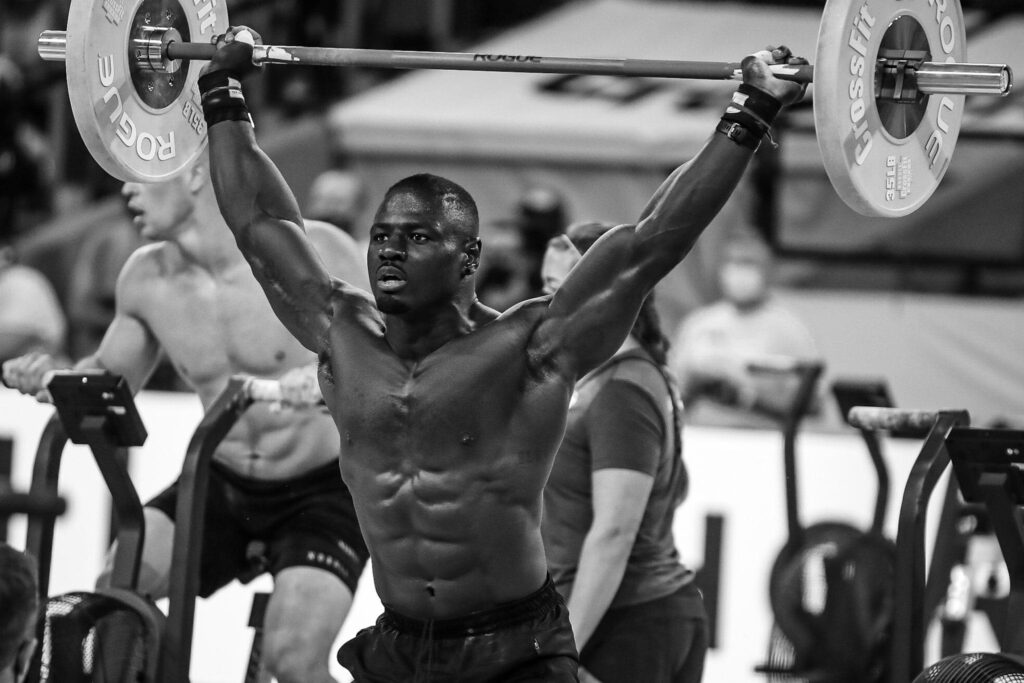
Burning fat effectively requires a strategic approach that optimises metabolism and energy expenditure. While diet and exercise are fundamental, a well-structured morning routine can set the tone for sustained fat burning throughout the day.
This article presents a science-backed morning routine designed to maximise fat loss and metabolic efficiency.


The Science Behind Morning Fat Burning
Circadian Rhythms and Fat Metabolism
The body’s internal clock, or circadian rhythm, plays a crucial role in metabolism. Research suggests that metabolic rate fluctuates throughout the day, peaking in the morning due to higher cortisol and adrenaline levels (Kujala et al., 2019). These hormones promote fat oxidation, making the morning an ideal time to implement strategies that enhance fat burning.
Step 1: Hydrate First Thing in the Morning

Why Hydration Matters
Rehydrating after sleep is critical for metabolic function. Studies indicate that drinking 500ml of water upon waking can increase resting energy expenditure by up to 30% for over an hour (Boschmann et al., 2003). Water also supports fat mobilisation by improving lipolysis, the process where fat stores are broken down for energy.
How to Optimise Hydration
- Drink 500ml-1L of water immediately after waking.
- Add a pinch of sea salt or lemon juice for electrolyte balance.
- Avoid sugary beverages that spike insulin levels.
Step 2: Engage in Fasted Low-Intensity Cardio
Fasted Cardio and Fat Oxidation
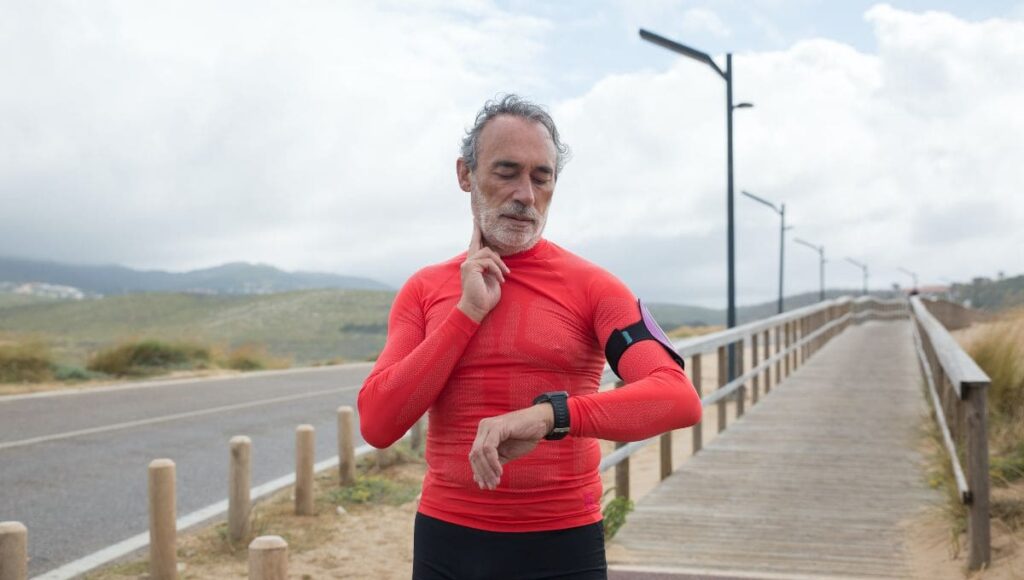
Performing exercise in a fasted state can accelerate fat oxidation. Research shows that fasted cardio increases reliance on fat as an energy source, particularly when done at low intensity (Van Proeyen et al., 2011). A 30–45-minute walk, jog, or cycling session before eating can enhance fat loss without negatively impacting muscle retention.
Best Practices for Fasted Cardio
- Perform 30–45 minutes of low-intensity steady-state cardio.
- Keep intensity below 60% of max heart rate.
- Avoid high-intensity training while fasted to prevent muscle breakdown.
Step 3: Consume a Protein-Rich Breakfast
Protein’s Role in Fat Burning
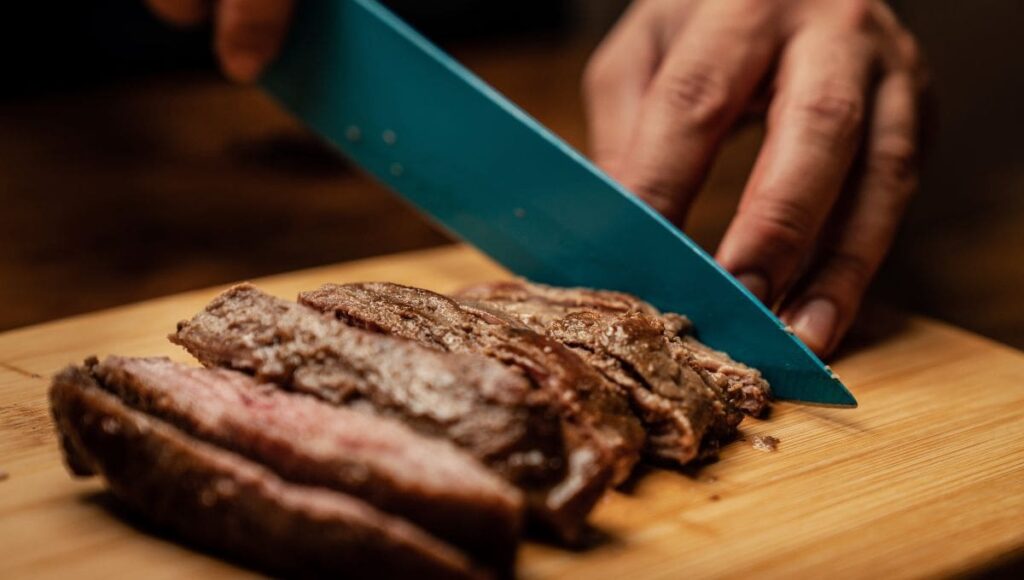
Protein has the highest thermic effect of food (TEF), meaning it requires more energy to digest compared to fats or carbohydrates. Consuming a high-protein breakfast boosts metabolism by 15–30% and promotes satiety, reducing overall calorie intake (Paddon-Jones et al., 2008).
Best Protein Sources for Breakfast
- Eggs
- Greek yoghurt
- Cottage cheese
- Whey or plant-based protein shakes
Step 4: Incorporate Caffeine for Thermogenesis
How Caffeine Boosts Fat Loss
Caffeine stimulates thermogenesis, increasing calorie expenditure and fat oxidation. A study by Dulloo et al. (1999) found that caffeine consumption elevated metabolic rate by 3–11% for up to three hours post-ingestion.
Best Ways to Consume Caffeine
- Black coffee
- Green tea
- Matcha
- Avoid adding sugar or excessive dairy
Step 5: Exposure to Natural Light
Sunlight’s Impact on Metabolism
Early exposure to sunlight regulates circadian rhythms and optimises fat metabolism. A study by Scheer et al. (2009) showed that morning light exposure enhances metabolic function and insulin sensitivity, contributing to better weight management.
Practical Tips
- Spend 10–15 minutes outside in natural light.
- Combine with morning cardio or mindfulness practice.
Step 6: Engage in a Short Strength Training Session
Strength Training and Fat Loss
Resistance training in the morning elevates excess post-exercise oxygen consumption (EPOC), leading to prolonged calorie burning throughout the day (Schuenke et al., 2002). Even a brief bodyweight or dumbbell workout can trigger this effect.
Quick Morning Strength Routine
- 3 rounds of push-ups, squats, and lunges.
- Use resistance bands or body weight.
- Keep sessions under 20 minutes to prevent excessive fatigue.
Step 7: Cold Exposure to Accelerate Fat Loss

The Role of Cold Thermogenesis
Cold exposure activates brown adipose tissue (BAT), which burns calories to generate heat. A study by van der Lans et al. (2013) demonstrated that cold exposure significantly increases energy expenditure and fat oxidation.
How to Implement Cold Exposure
- Take a 30–60 second cold shower.
- Finish morning cardio with outdoor exposure to cool temperatures.
- Gradually extend cold exposure over time.
Step 8: Plan and Prioritise Daily Movement
Non-Exercise Activity Thermogenesis (NEAT)
Daily movement outside of structured workouts contributes significantly to fat loss. Research highlights that NEAT accounts for a substantial portion of daily energy expenditure (Levine, 2004). Walking, standing, and general movement can enhance total calorie burn.
Strategies to Increase NEAT
- Use a standing desk.
- Take short walks after meals.
- Incorporate stretching or mobility exercises throughout the day.
Conclusion
A structured morning routine optimises fat oxidation, metabolic rate, and energy levels, sustaining fat burning throughout the day. Implementing hydration, fasted cardio, strength training, protein-rich meals, caffeine, sunlight exposure, cold therapy, and daily movement ensures consistent progress in fat loss efforts.
Key Takeaways
| Step | Action | Benefit |
|---|---|---|
| 1 | Drink 500ml-1L of water | Boosts metabolism and hydration |
| 2 | Perform fasted low-intensity cardio | Increases fat oxidation |
| 3 | Eat a protein-rich breakfast | Enhances satiety and thermogenesis |
| 4 | Consume caffeine | Stimulates metabolism and fat burning |
| 5 | Get morning sunlight | Regulates circadian rhythm and metabolism |
| 6 | Do short strength training | Triggers prolonged calorie burn (EPOC) |
| 7 | Use cold exposure | Activates brown fat for increased energy expenditure |
| 8 | Prioritise daily movement | Increases total calorie burn through NEAT |
Bibliography
- Boschmann, M., Steiniger, J., Franke, G., Birkenfeld, A. L., Luft, F. C., & Jordan, J. (2003). Water-induced thermogenesis. The Journal of Clinical Endocrinology & Metabolism, 88(12), 6015-6019.
- Dulloo, A. G., Seydoux, J., Girardier, L., Chantre, P., & Vandermander, J. (1999). Green tea and thermogenesis: interactions between catechin-polyphenols, caffeine, and sympathetic activity. International Journal of Obesity, 24(2), 252-258.
- Kujala, U. M., Mäkinen, V.-P., Heinonen, I., & Kaprio, J. (2019). Physical activity and its role in circadian regulation of metabolism. Current Opinion in Physiology, 10, 9-14.
- Levine, J. A. (2004). Nonexercise activity thermogenesis (NEAT): environment and biology. American Journal of Physiology-Endocrinology and Metabolism, 286(5), E675-E685.
- Paddon-Jones, D., Westman, E., Mattes, R. D., Wolfe, R. R., Astrup, A., & Westerterp-Plantenga, M. (2008). Protein, weight management, and satiety. The American Journal of Clinical Nutrition, 87(5), 1558S-1561S.
- Schuenke, M. D., Mikat, R. P., & McBride, J. M. (2002). Effect of an acute period of resistance exercise on excess post-exercise oxygen consumption: implications for body mass management. European Journal of Applied Physiology, 86(5), 411-417.
- Van der Lans, A. A., Hoeks, J., Brans, B., Vijgen, G. H., Visser, M. G., & Van Marken Lichtenbelt, W. D. (2013). Cold acclimation recruits human brown fat and increases nonshivering thermogenesis. The Journal of Clinical Investigation, 123(8), 3395-3403.