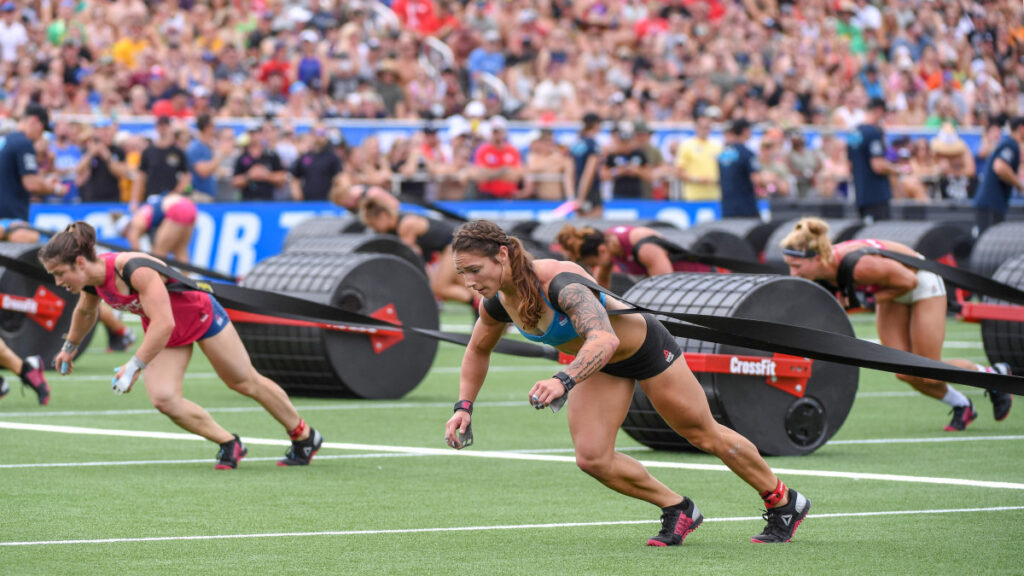
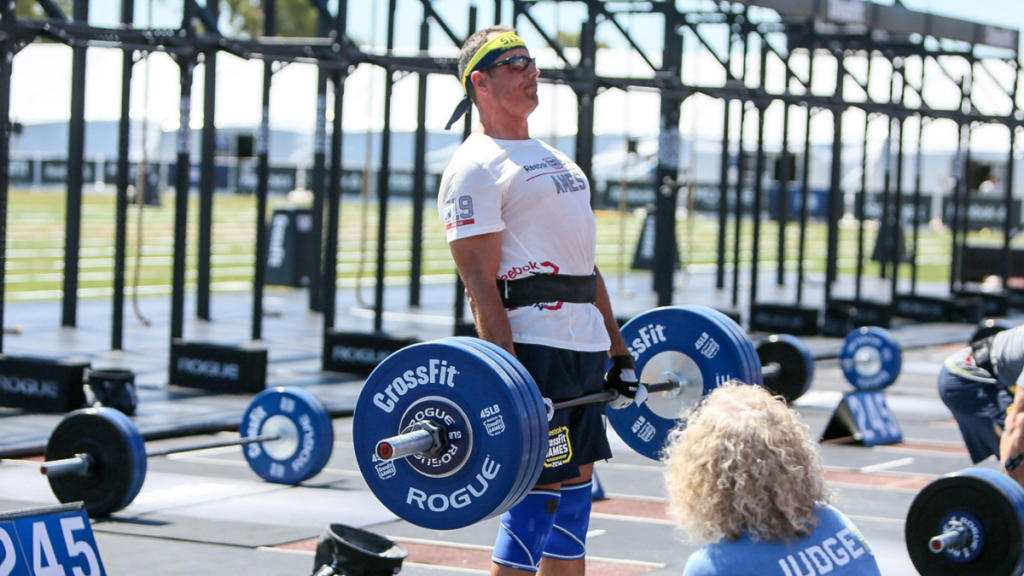
Do any of these sound familiar to you?
1. Excessive Rest Between Sets
Resting too long between sets can reduce workout efficiency and overall volume. Research suggests that optimal rest periods depend on training goals. For hypertrophy, the ideal rest time is between 30–90 seconds, allowing for greater metabolic stress and muscle damage, both key for muscle growth (Schoenfeld, 2016).


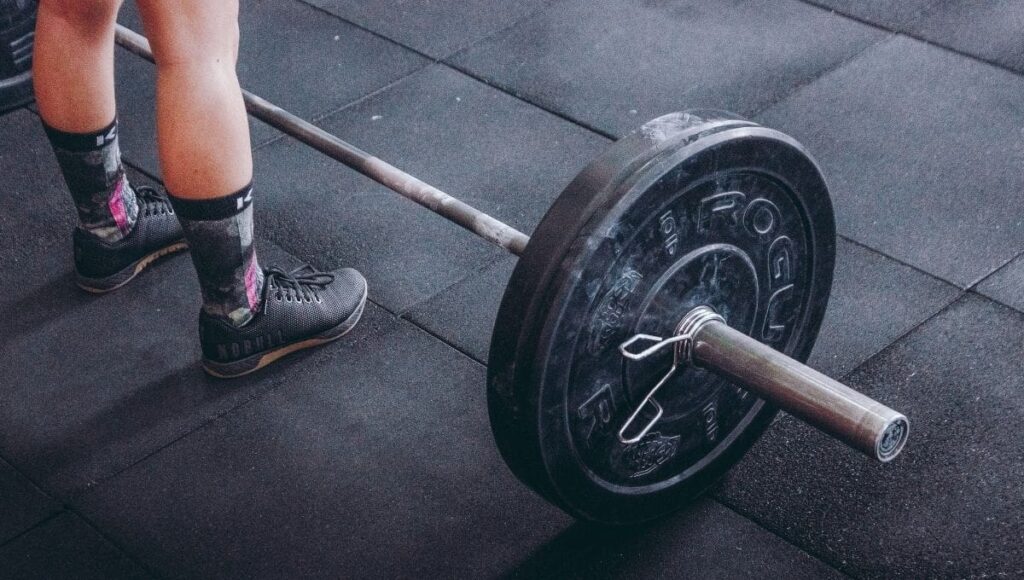
Longer rest intervals of 2–5 minutes are more suited for strength gains but may unnecessarily prolong workouts for those focused on hypertrophy (Henselmans & Schoenfeld, 2014). If you find yourself scrolling on your phone or chatting excessively between sets, you may be stalling your progress.
How to Fix It
Use a timer to track rest intervals. Stick to 30–90 seconds for hypertrophy or 2–3 minutes for strength training. Avoid distractions and remain focused on the next set.
2. Poor Exercise Selection
Choosing ineffective exercises can waste time and slow progress. Compound exercises such as squats, deadlifts, and bench presses activate multiple muscle groups and provide superior stimulus compared to isolation movements (Gentil et al., 2017).
Additionally, certain exercises, like Smith machine squats or ab crunch machines, have been shown to be less effective at engaging target muscles compared to free weights or bodyweight variations (Fisher et al., 2016).
How to Fix It
Prioritise compound lifts that maximise muscle activation. If using machines, select those that mimic natural movement patterns rather than restricting them.
3. Doing Too Much Cardio Before Lifting
Performing excessive cardio before strength training can reduce performance and muscle-building potential.

Studies indicate that prolonged aerobic activity before resistance training can impair strength and power output due to neuromuscular fatigue and glycogen depletion (Doma & Deakin, 2013). While a short warm-up (5–10 minutes) can enhance performance, prioritising long-duration cardio before lifting can be counterproductive.
How to Fix It
Keep pre-lifting cardio short and moderate in intensity. If endurance training is necessary, schedule it after strength training or on separate days to prevent interference effects (Wilson et al., 2012).
4. Excessive Use of Light Weights for High Reps
Training with weights that are too light can limit hypertrophy. Research indicates that lifting heavier loads (70–85% of one-rep max) is more effective for muscle growth due to higher mechanical tension (Schoenfeld et al., 2017).
While high-rep training (15+ reps) can still induce hypertrophy, it requires sets to be taken to absolute failure to be as effective (Lasevicius et al., 2018). Many gym-goers fail to push themselves to this point, leading to suboptimal muscle growth.

How to Fix It
Use a weight that brings you close to failure within 6–12 reps for hypertrophy. If using high reps, ensure you reach muscular failure to maximise benefits.
5. Skipping Warm-Ups or Doing Ineffective Ones
Skipping warm-ups or performing ineffective ones can increase injury risk and reduce performance. Static stretching before lifting has been found to decrease strength output (Simic et al., 2013), while dynamic warm-ups improve mobility and neuromuscular activation (McCrary et al., 2015). Additionally, failing to warm up properly can lead to suboptimal muscle recruitment and weaker lifts.
How to Fix It
Perform dynamic warm-ups focused on mobility and movement preparation. Include movements that mimic your workout (e.g., bodyweight squats before heavy squats) to activate the necessary muscle groups.
Key Takeaways
| Habit | Why It’s a Waste of Time | How to Fix It |
|---|---|---|
| Excessive Rest Between Sets | Reduces workout efficiency and volume | Use a timer and limit rest to 30–90 seconds for hypertrophy |
| Poor Exercise Selection | Ineffective movements limit progress | Prioritise compound lifts and functional movements |
| Doing Too Much Cardio Before Lifting | Depletes energy and impairs strength performance | Keep cardio short before lifting or separate it from strength training |
| Excessive Use of Light Weights | Fails to maximise hypertrophy unless taken to failure | Lift heavier or ensure high-rep sets reach failure |
| Skipping Warm-Ups or Doing Ineffective Ones | Increases injury risk and reduces performance | Perform dynamic warm-ups tailored to the workout |
Bibliography
Doma, K., & Deakin, G. B. (2013). The acute effects of concurrent training on running performance. Journal of Strength and Conditioning Research, 27(8), 2246–2252.
Fisher, J. P., Steele, J., & Smith, D. (2016). High- and low-load resistance training: Interpretation and practical application of current research findings. Strength & Conditioning Journal, 38(2), 42–49.
Gentil, P., Oliveira, E., de Araújo Marra, E., & Bottaro, M. (2017). Comparing the effects of resistance training using machines and free weights on muscle strength and size in young men. Journal of Human Kinetics, 58, 109–116.
Henselmans, M., & Schoenfeld, B. J. (2014). The effect of inter-set rest intervals on resistance exercise-induced muscle hypertrophy. Sports Medicine, 44(12), 1635–1643.
Lasevicius, T., Ugrinowitsch, C., Schoenfeld, B. J., et al. (2018). Effects of different intensities of resistance training with equated volume load on muscle strength and hypertrophy. European Journal of Sport Science, 18(6), 772–780.