When it comes to fat loss and conditioning, both battle ropes and rowing machines are popular choices in the fitness community. Each offers unique benefits and challenges, but which is the better option? This article delves into the science and practicalities behind these two training modalities, helping you make an informed decision.
What Are Battle Ropes and Rowing Machines?
Battle Ropes
Battle ropes are thick, heavy ropes anchored to a fixed point, designed for dynamic upper and lower body movements. Typically, they are used in high-intensity interval training (HIIT) to target strength, power, and cardiovascular fitness.


Rowing Machines
Rowing machines simulate the motion of rowing a boat. They offer a full-body workout that engages both the upper and lower body while providing a significant cardiovascular challenge. Rowing machines are often used for steady-state cardio and high-intensity workouts alike.
The Science Behind Fat Loss
Fat loss occurs when you expend more energy than you consume, creating a caloric deficit. The key to maximising fat loss through exercise lies in selecting activities that burn significant calories, sustain metabolic activity post-workout, and engage multiple muscle groups. High-intensity interval training, in particular, has been shown to boost excess post-exercise oxygen consumption (EPOC), allowing your body to burn calories even after the workout (LaForgia et al., 2006).
Caloric Burn: Battle Ropes vs Rowing Machine
Battle Ropes
Research suggests that battle ropes are one of the most effective tools for calorie burn during high-intensity exercise. A study by Fountaine et al. (2015) found that battle rope exercises could burn approximately 10.3 calories per minute during a 10-minute workout. This high caloric expenditure makes battle ropes an excellent choice for fat loss.
Rowing Machine
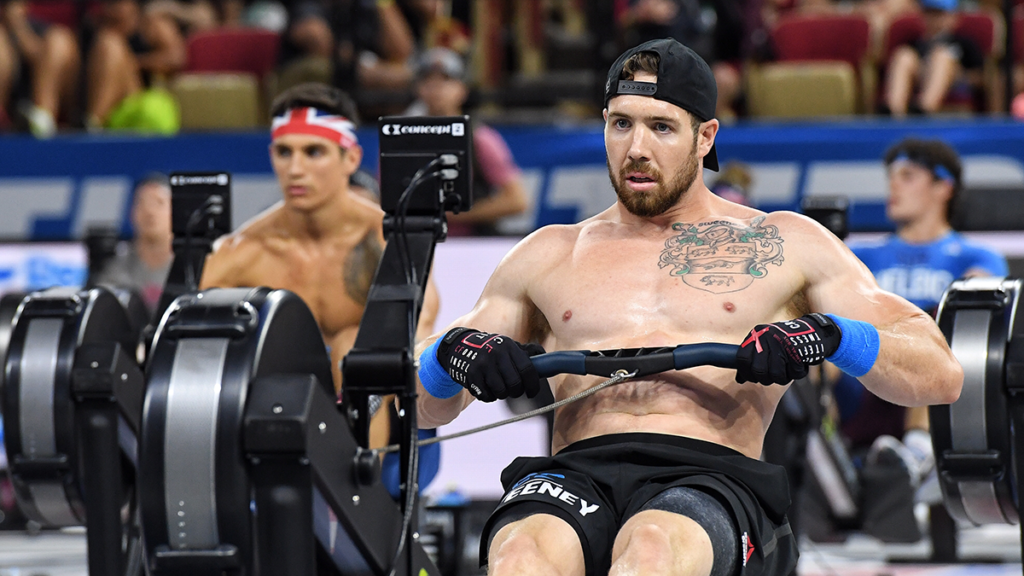
Rowing machines also excel in caloric burn. A study published in the Journal of Sports Science and Medicine demonstrated that rowing could burn between 400 and 800 calories per hour, depending on intensity and body weight (Hagerman, 1984). Furthermore, the rowing motion activates a wide range of muscle groups, which contributes to overall energy expenditure.
Muscle Engagement
Battle Ropes
Battle ropes primarily target the upper body, engaging the shoulders, arms, chest, and back. However, many exercises also involve the core and lower body, such as squats and lunges performed while manipulating the ropes. The dynamic nature of battle ropes promotes functional strength and coordination.
Rowing Machine
The rowing machine engages approximately 86% of your muscles, according to a report by Concept2. This includes the legs (quadriceps, hamstrings, and glutes), back, core, and arms. The pulling motion also improves posture and strengthens the posterior chain, making rowing a comprehensive full-body exercise.
Cardiovascular Benefits
Battle Ropes
Battle ropes are an effective tool for improving anaerobic capacity and cardiovascular health. The high-intensity bursts typical of battle rope workouts challenge your heart rate and push your cardiovascular system to adapt (Ratamess et al., 2009). Additionally, their versatile nature allows for various movement patterns that keep the heart rate elevated throughout the session.
Rowing Machine
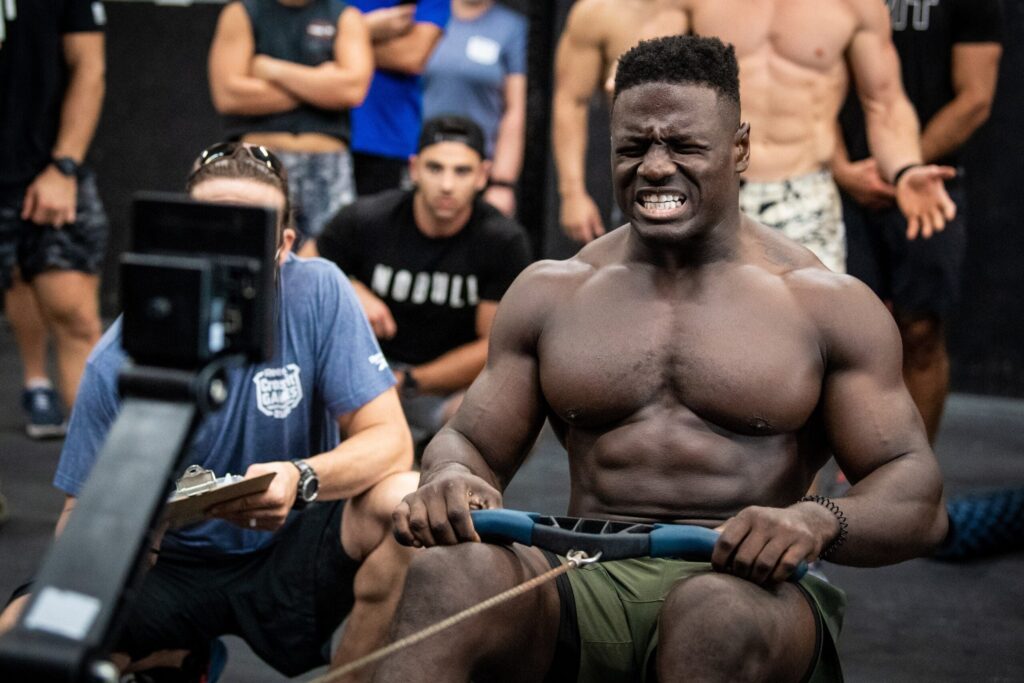
Rowing machines offer both aerobic and anaerobic benefits. A steady-state rowing session improves cardiovascular endurance, while high-intensity intervals enhance anaerobic capacity. Research by Steinacker (1993) highlights the cardiovascular benefits of rowing, including improved oxygen uptake and cardiac output.
Ease of Use and Accessibility
Battle Ropes
Battle ropes are relatively simple to use, but their effectiveness depends on proper form and technique. Beginners may require guidance to maximise benefits and avoid injury. They are compact and easy to set up, making them a popular choice for home gyms and fitness studios.
Rowing Machine
Rowing machines require more technical proficiency. Improper form can lead to inefficient workouts and an increased risk of lower back strain. However, with proper guidance and practice, rowing becomes an intuitive and highly effective exercise. The larger footprint of rowing machines may limit their accessibility in smaller spaces.
Injury Risk and Recovery
Battle Ropes
The high-impact nature of battle rope exercises may pose a risk for individuals with shoulder, wrist, or elbow issues. However, they are generally safe when performed with proper technique and appropriate intensity. The ability to scale exercises makes them suitable for a wide range of fitness levels.
Rowing Machine
Rowing is a low-impact exercise, making it ideal for individuals with joint issues or those recovering from injury. The smooth, controlled motion minimises stress on the joints, although improper form can still lead to back strain or discomfort.
Psychological Factors
Battle Ropes
The dynamic and varied nature of battle rope exercises keeps workouts engaging and mentally stimulating. This variety can enhance adherence to a fitness routine, particularly for individuals who enjoy high-energy activities.
Rowing Machine
Rowing may feel repetitive for some, especially during longer sessions. However, the meditative rhythm of rowing can appeal to those who prefer steady, focused workouts. Incorporating intervals or competing against a virtual partner can add variety and maintain interest.
Cost and Equipment
Battle Ropes
Battle ropes are relatively inexpensive compared to rowing machines. They require minimal maintenance and can be used in a variety of settings. However, they do require an anchor point and sufficient space for movement.
Rowing Machine
Rowing machines are a more significant investment. High-quality models can be costly, and they require regular maintenance to ensure smooth operation. Their size and weight may also pose challenges for home use.
Which is Better for Fat Loss?
Both battle ropes and rowing machines can effectively contribute to fat loss when incorporated into a well-rounded training programme. The choice ultimately depends on individual preferences, goals, and physical capabilities. For quick, high-intensity workouts, battle ropes excel. For sustained, full-body calorie burning, rowing machines may be the better choice.
Which is Better for Conditioning?
When it comes to conditioning, both tools offer unique benefits. Battle ropes are ideal for short bursts of high-intensity effort, enhancing power and anaerobic capacity. Rowing machines provide a balance of aerobic and anaerobic conditioning, making them versatile for different fitness goals.
Final Verdict
Both battle ropes and rowing machines have their merits. To maximise fat loss and conditioning, consider incorporating both into your training routine. Alternating between the two can prevent plateaus, maintain interest, and target different aspects of fitness.
| Key Takeaways |
|---|
| Battle ropes burn approximately 10.3 calories per minute and are excellent for short, high-intensity workouts. |
| Rowing machines burn between 400-800 calories per hour and provide a full-body workout. |
| Battle ropes engage the upper body, core, and lower body in dynamic movements. |
| Rowing machines activate 86% of your muscles, including the posterior chain. |
| Battle ropes improve anaerobic capacity, while rowing machines offer both aerobic and anaerobic benefits. |
| Battle ropes are compact and inexpensive but require proper technique to avoid injury. |
| Rowing machines are low-impact, ideal for joint health, but require more space and investment. |
| Incorporating both tools into your training can maximise fat loss and conditioning. |
Bibliography
Fountaine, C.J., Schmidt, B.J., & Johnson, C.R. (2015). ‘Metabolic Cost of Rope Training’, Journal of Strength and Conditioning Research, 29(4), pp. 889-893.
Hagerman, F.C. (1984). ‘Applied Physiology of Rowing’, Sports Medicine, 1(4), pp. 303-326.
LaForgia, J., Withers, R.T., & Gore, C.J. (2006). ‘Effects of Exercise Intensity and Duration on the Excess Post-Exercise Oxygen Consumption’, Journal of Sports Sciences, 24(12), pp. 1247-1264.
Ratamess, N.A., et al. (2009). ‘Progression Models in Resistance Training for Healthy Adults’, Medicine and Science in Sports and Exercise, 41(3), pp. 687-708.
Steinacker, J.M. (1993). ‘Physiology of Rowing’, International Journal of Sports Medicine, 14(Suppl 1), pp. S3-S10.