Building muscle requires an adequate protein intake, but high-protein foods are often expensive. Fortunately, several affordable protein sources can help you meet your nutritional needs without breaking the bank.
This article explores seven cost-effective protein options backed by scientific research.


1. Eggs
Eggs are one of the most affordable and nutrient-dense protein sources available. A single large egg contains approximately 6 grams of high-quality protein with a complete amino acid profile (USDA, 2023). Research shows that eggs are highly bioavailable, meaning the body can absorb and utilise their protein efficiently (Janssen et al., 2017).

Moreover, eggs are rich in leucine, a key amino acid for muscle protein synthesis (Witard et al., 2016). Buying eggs in bulk can significantly reduce costs, making them an excellent budget-friendly choice.
2. Canned Tuna
Canned tuna is a cheap and convenient protein source, offering around 25 grams of protein per 100 grams (USDA, 2023). It is also rich in omega-3 fatty acids, which have been shown to enhance muscle recovery and reduce inflammation (Philpott et al., 2019). While fresh tuna can be expensive, canned varieties provide an affordable alternative with a long shelf life. However, it is advisable to choose tuna packed in water rather than oil to avoid excess calories and fats.
3. Chicken Thighs
Chicken breast is often considered the go-to protein source for athletes, but chicken thighs offer similar protein content at a lower price. A 100-gram serving of cooked chicken thigh provides around 24 grams of protein (USDA, 2023). While slightly higher in fat than chicken breast, this additional fat can help with satiety and overall calorie intake for those looking to gain muscle.

Additionally, slow-cooking methods can make chicken thighs even more cost-effective by allowing bulk preparation.
4. Cottage Cheese
Cottage cheese is a budget-friendly dairy product packed with casein protein, a slow-digesting protein that supports muscle recovery overnight (Boirie et al., 1997). A 100-gram serving of cottage cheese contains around 11 grams of protein (USDA, 2023). Research indicates that consuming casein-rich foods before sleep enhances overnight muscle protein synthesis and prevents muscle breakdown (Snijders et al., 2015). Cottage cheese is also versatile, making it easy to include in meals and snacks.
5. Lentils
Lentils are an excellent plant-based protein source, providing around 9 grams of protein per 100 grams of cooked lentils (USDA, 2023). They are also high in fibre, which supports digestion and gut health. A study by Messina (2014) found that plant-based proteins like lentils can effectively support muscle growth when combined with adequate resistance training. Moreover, lentils are significantly cheaper than most animal protein sources and have a long shelf life, making them ideal for budget-conscious individuals.
6. Peanut Butter
Peanut butter is an affordable protein source that also provides healthy fats and essential micronutrients. A two-tablespoon serving offers around 8 grams of protein (USDA, 2023). While it is lower in essential amino acids than animal-based proteins, pairing peanut butter with whole grains, such as whole wheat bread, can improve its amino acid profile and enhance muscle-building potential (Young & Pellett, 1994). Choosing natural peanut butter without added sugar or hydrogenated oils ensures a healthier option.
7. Greek Yoghurt
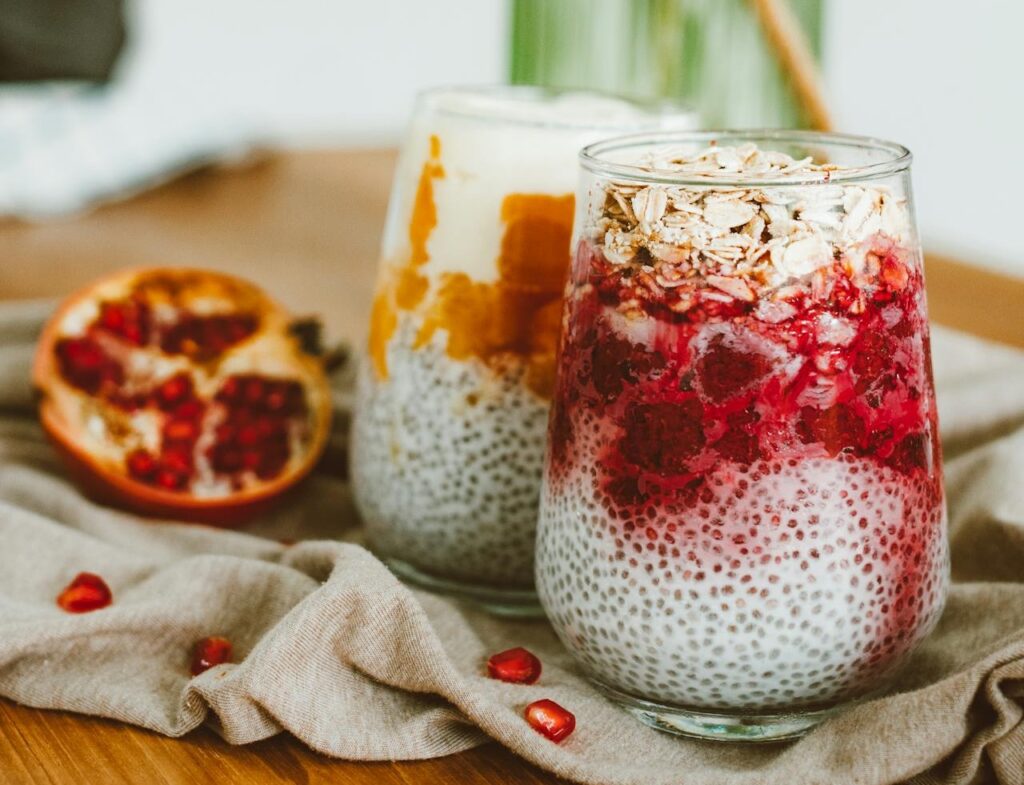
Greek yoghurt is a protein-rich dairy product, containing around 10 grams of protein per 100 grams (USDA, 2023). It is particularly high in casein protein, making it an excellent option for sustained muscle protein synthesis (McGregor & Poppitt, 2013). Additionally, Greek yoghurt provides probiotics, which support gut health and digestion, further enhancing nutrient absorption. Opting for plain, unsweetened Greek yoghurt helps avoid unnecessary added sugars and maximises its nutritional benefits.
Conclusion
Gaining muscle on a budget is entirely possible with the right protein sources. Eggs, canned tuna, chicken thighs, cottage cheese, lentils, peanut butter, and Greek yoghurt provide affordable yet effective options to meet your protein needs. Incorporating these into your diet can help optimise muscle growth without straining your finances.
Key Takeaways Table
| Protein Source | Protein per 100g | Additional Benefits |
|---|---|---|
| Eggs | 6g | High leucine content, highly bioavailable |
| Canned Tuna | 25g | Rich in omega-3 fatty acids for recovery |
| Chicken Thighs | 24g | More affordable than chicken breast, higher in fat for satiety |
| Cottage Cheese | 11g | Slow-digesting casein protein for overnight muscle recovery |
| Lentils | 9g | High in fibre, supports gut health, cost-effective |
| Peanut Butter | 8g | Contains healthy fats, pairs well with whole grains for amino acid balance |
| Greek Yoghurt | 10g | Rich in probiotics, high casein content for sustained protein release |
References
Boirie, Y., Dangin, M., Gachon, P., Vasson, M. P., Maubois, J. L., & Beaufrère, B. (1997). Slow and fast dietary proteins differently modulate postprandial protein accretion. Proceedings of the National Academy of Sciences, 94(26), 14930-14935.
Janssen, M. A., Jager, T., Rietjens, I. M., & Martens, D. E. (2017). Bioavailability of amino acids from orally administered intact proteins: A comparative study. Food & Function, 8(7), 2535-2544.
McGregor, R. A., & Poppitt, S. D. (2013). Milk protein for improved metabolic health: A review of the evidence. Nutrition & Metabolism, 10(1), 46.
Messina, M. (2014). Plant protein and muscle mass preservation. Current Opinion in Clinical Nutrition & Metabolic Care, 17(6), 486-490.
Philpott, J. D., Donnelly, C., Wiles, J. D., Armstrong, N., & Smith, P. M. (2019). Omega-3 fatty acids and skeletal muscle health. European Journal of Applied Physiology, 119(3), 605-616.
Snijders, T., Res, P. T., Smeets, J. S., van Vliet, S., van Kranenburg, J., Maase, K., Kies, A. K., Verdijk, L. B., & van Loon, L. J. (2015). Protein ingestion before sleep improves postexercise overnight recovery. Medicine & Science in Sports & Exercise, 47(8), 1707-1715.
USDA (2023). FoodData Central. U.S. Department of Agriculture. Retrieved from https://fdc.nal.usda.gov/
Witard, O. C., Wardle, S. L., Macnaughton, L. S., Hodgson, A. B., & Tipton, K. D. (2016). Protein considerations for optimising skeletal muscle mass in healthy young and older adults. Nutrients, 8(4), 181.
Young, V. R., & Pellett, P. L. (1994). Plant proteins in relation to human protein and amino acid nutrition. The American Journal of Clinical Nutrition, 59(5), 1203S-1212S.