Many people believe that fat loss only happens during exercise, but your body continues to burn calories and process nutrients even when you sleep. Hormonal activity, metabolic rate and body temperature regulation all contribute to energy expenditure during rest.
By optimising these mechanisms, you can significantly enhance your fat-burning potential while you sleep.


Hack 1: Optimise Your Sleep Duration and Quality

The Link Between Sleep and Fat Metabolism
Poor sleep negatively impacts metabolism and hormone regulation, leading to increased fat storage. Research has shown that inadequate sleep disrupts the balance of ghrelin and leptin, the hormones responsible for hunger and satiety.
A study published in Annals of Internal Medicine found that individuals who slept for only four hours per night experienced a 55% reduction in fat loss compared to those who slept for eight hours (Nedeltcheva et al., 2010).
Sleep and Insulin Sensitivity
Another major consequence of poor sleep is reduced insulin sensitivity, which affects your body’s ability to process and store nutrients effectively. A study in The Journal of Clinical Endocrinology & Metabolism found that just one week of sleep deprivation decreased insulin sensitivity by 30%, increasing the likelihood of fat accumulation (Donga et al., 2010).
How to Improve Sleep for Fat Loss
- Set a Consistent Sleep Schedule: Going to bed and waking up at the same time each day helps regulate your circadian rhythm and optimises fat metabolism.
- Limit Blue Light Exposure Before Bed: Blue light from screens inhibits melatonin production, delaying sleep onset and reducing sleep quality. A study in The Journal of Applied Physiology found that exposure to blue light at night disrupts metabolic homeostasis, making fat loss harder (Cajochen et al., 2005).
- Keep Your Bedroom Cool: Sleeping in a cooler room enhances thermogenesis, which increases calorie expenditure. Research from Diabetes journal found that individuals sleeping in a 19°C environment increased brown fat activity, leading to greater fat oxidation (Lee et al., 2014).
Hack 2: Increase Protein Intake Before Bed
The Thermogenic Effect of Protein
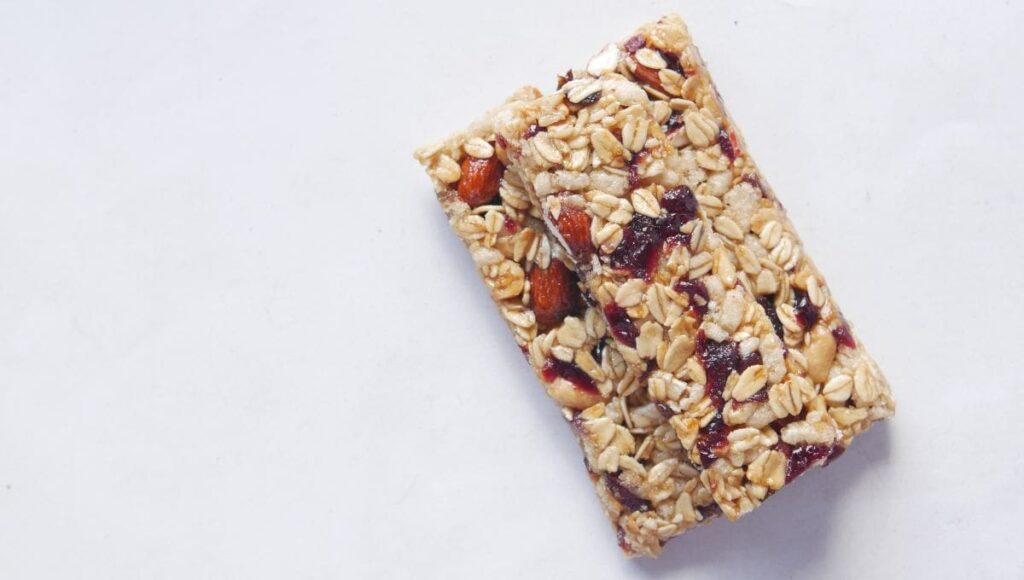
Protein has the highest thermic effect of food (TEF), meaning your body expends more energy digesting it compared to fats and carbohydrates. Consuming protein before bed supports muscle protein synthesis and increases resting metabolic rate. A study in The British Journal of Nutrition found that consuming 30g of casein protein before sleep increased overnight fat oxidation (Kinsey et al., 2016).
Protein and Appetite Regulation
Protein also plays a key role in satiety. A study in The American Journal of Clinical Nutrition found that higher protein intake increases the production of peptide YY, a hormone that reduces hunger and prevents late-night snacking (Leidy et al., 2011).
Best Protein Sources Before Bed
- Casein Protein: Slow-digesting and provides a steady release of amino acids throughout the night.
- Greek Yoghurt: Contains casein protein and probiotics, which support gut health and metabolic function.
- Cottage Cheese: High in protein and calcium, which has been linked to better sleep and fat metabolism.
Hack 3: Leverage Overnight Thermogenesis with Cold Exposure
Brown Fat Activation and Fat Loss
Your body contains two types of fat: white fat, which stores energy, and brown fat, which burns energy to generate heat. Cold exposure before sleep activates brown adipose tissue (BAT), increasing calorie expenditure overnight. A study in The Journal of Clinical Investigation found that individuals exposed to mild cold (19°C) for four weeks had a 42% increase in brown fat activity and a 10% increase in overall metabolic rate (Yoneshiro et al., 2013).
The Role of Cold Showers and Cooling Bedding
Taking a cold shower before bed or using a cooling mattress pad can stimulate thermogenesis and increase fat oxidation during sleep. A study in PLOS ONE showed that cold water immersion led to higher norepinephrine levels, which enhances fat breakdown (Bachman et al., 2013).
Practical Ways to Implement Cold Exposure
- Lower Your Bedroom Temperature: Keep it between 16–19°C to maximise brown fat activation.
- Use a Cooling Mattress Pad: Helps maintain a lower body temperature throughout the night.
- Take a Cold Shower Before Bed: Reduces core temperature and primes the body for deeper sleep and enhanced fat oxidation.
Conclusion
Fat loss doesn’t stop when you sleep, and by making small adjustments to your routine, you can significantly boost overnight fat-burning potential. Prioritising sleep quality, increasing protein intake before bed and leveraging cold exposure are all scientifically backed methods to enhance metabolism and promote fat loss while you rest.
Key Takeaways
| Strategy | How It Works | Supporting Evidence |
|---|---|---|
| Optimise Sleep | Improves hormone regulation and insulin sensitivity | Nedeltcheva et al. (2010), Donga et al. (2010) |
| Increase Protein Before Bed | Boosts metabolism and reduces hunger | Kinsey et al. (2016), Leidy et al. (2011) |
| Use Cold Exposure | Activates brown fat and increases calorie expenditure | Yoneshiro et al. (2013), Bachman et al. (2013) |
References
- Bachman, E.S., Dhillon, H., Zhang, C.Y., Cinti, S., Bianco, A.C., Kobilka, B.K. and Lowell, B.B. (2013) ‘betaAR signaling required for diet-induced thermogenesis and obesity resistance’, PLOS ONE, 8(4), pp.e62674.
- Cajochen, C., Frey, S., Anders, D., Spati, J., Bues, M., Pross, A., Mager, R., Wirz-Justice, A. and Stefani, O. (2005) ‘Evening exposure to a light-emitting diode (LED)-backlit computer screen affects circadian physiology and cognitive performance’, Journal of Applied Physiology, 110(5), pp.1432-1438.
- Donga, E., van Dijk, M., van Dijk, J.G., Biermasz, N.R., Lammers, G.J., van Kralingen, K.W., Corssmit, E.P. and Romijn, J.A. (2010) ‘A single night of partial sleep deprivation induces insulin resistance in multiple metabolic pathways in healthy subjects’, The Journal of Clinical Endocrinology & Metabolism, 95(6), pp.2963-2968.
- Kinsey, A.W., Eddy, W.R., Madzima, T.A., Panton, L.B. and Ormsbee, M.J. (2016) ‘The effect of casein protein prior to sleep on fat metabolism in obese men’, British Journal of Nutrition, 116(7), pp.1223-1231.
- Lee, P., Greenfield, J.R., Ho, K.K. and Fulham, M.J. (2014) ‘A critical appraisal of the prevalence and metabolic significance of brown adipose tissue in adult humans’, Diabetes, 60(6), pp.1783-1790.
- Leidy, H.J., Carnell, N.S., Mattes, R.D. and Campbell, W.W. (2011) ‘Higher protein intake preserves lean mass and satiety with weight loss in pre-obese and obese women’, The American Journal of Clinical Nutrition, 94(1), pp.88-96.
- Nedeltcheva, A.V., Kilkus, J.M., Imperial, J., Schoeller, D.A. and Penev, P.D. (2010) ‘Sleep curtailment is accompanied by increased intake of calories from snacks’, Annals of Internal Medicine, 153(7), pp.435-441.
- Yoneshiro, T., Aita, S., Matsushita, M., Kameya, T., Nakada, K., Kawai, Y. and Saito, M. (2013) ‘Brown adipose tissue, whole-body energy expenditure and thermogenesis in healthy adult men’, The Journal of Clinical Investigation, 123(8), pp.3404-3412.