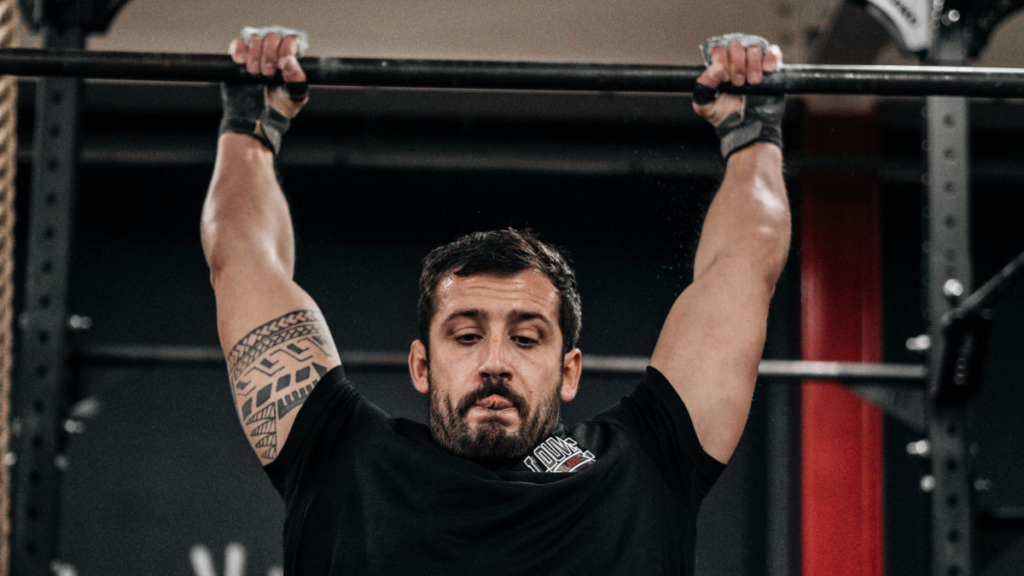
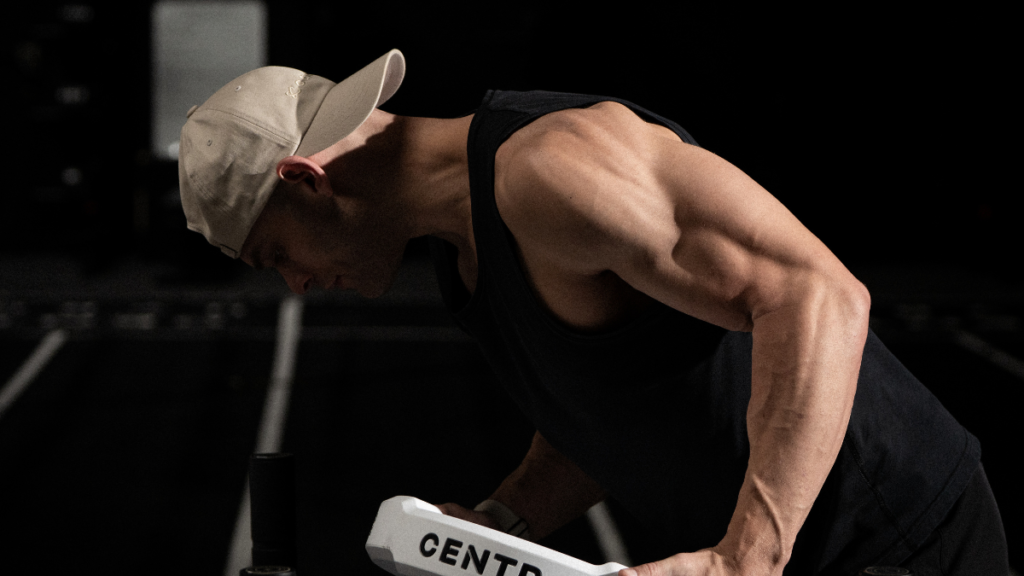
When it comes to optimising workouts, small modifications can lead to substantial gains. Whether your goal is muscle growth, fat loss, or improved performance, refining how you execute movements can maximise results.
Scientific research highlights multiple ways to enhance exercise effectiveness without adding extra volume or time. These five evidence-backed tweaks can significantly improve your workouts.


1. Increase Time Under Tension
Time under tension (TUT) refers to the duration a muscle is under strain during a repetition. Increasing TUT enhances muscle fibre recruitment and metabolic stress, key drivers of hypertrophy.
Studies show that extending eccentric (lengthening) and concentric (shortening) phases of a lift leads to greater muscle activation and strength gains (Schoenfeld et al., 2015). A controlled lowering phase of 3-5 seconds increases microtrauma and stimulates greater muscle repair and growth.
How to Implement TUT
- Extend the eccentric phase of movements like squats, bench presses, and deadlifts.- Avoid fast, uncontrolled reps; maintain steady control throughout the movement.- Use techniques such as paused reps and slow negatives to intensify muscular engagement.
2. Improve Range of Motion
A greater range of motion (ROM) recruits more muscle fibres and enhances flexibility, leading to superior gains in both strength and hypertrophy.

Research indicates that exercises performed through a full ROM generate better outcomes in muscle growth than partial ROM (McMahon et al., 2014). For example, deep squats engage the quadriceps and glutes more effectively than half squats.
How to Improve ROM
- Use full-depth movements like ass-to-grass squats instead of parallel squats.- Avoid cutting reps short; ensure full extension and contraction in exercises like bicep curls and pull-ups.- Incorporate mobility drills to enhance flexibility and joint function.
3. Focus on Mind-Muscle Connection
Mind-muscle connection (MMC) refers to consciously engaging specific muscles during exercise. Studies show that focusing on a target muscle leads to higher electromyographic (EMG) activity, which correlates with increased activation and hypertrophy (Snyder & Fry, 2012). This principle is especially effective for isolation exercises, where engaging the correct muscles can significantly impact development.
How to Enhance MMC
- Concentrate on the working muscle rather than simply moving weight.- Slow down movements and avoid momentum-based lifting.- Use tactile cues, such as lightly touching the muscle being worked, to reinforce activation.
4. Adjust Grip and Stance
Altering grip or stance can shift muscle recruitment patterns, making exercises more effective for specific goals.

For instance, research shows that a wider grip on the bench press leads to greater chest activation, while a narrower grip targets the triceps more effectively (Lehman, 2005). Similarly, stance variations in squats and deadlifts can alter glute and quadriceps engagement.
How to Modify Grip and Stance
- Use a close grip for more triceps activation in pressing movements.- Widen squat stance to increase glute recruitment.- Experiment with mixed and hook grips for deadlifts to enhance grip strength and control.
5. Implement Progressive Overload Correctly
Progressive overload is the foundation of strength and hypertrophy training, but its application must be systematic. Increasing resistance too quickly can lead to compromised form and injury risk, while inadequate progression results in stagnation. Research indicates that a gradual 2-5% increase in load per week is optimal for strength adaptations (Rhea et al., 2003).
How to Apply Progressive Overload
- Increase weight incrementally rather than making large jumps.- Focus on form and rep quality before adding more load.- Implement other overload methods, such as increased reps, reduced rest time, or advanced techniques like drop sets and supersets.
Conclusion
Optimising exercise effectiveness requires strategic modifications based on scientific principles. By increasing time under tension, improving range of motion, enhancing mind-muscle connection, adjusting grip and stance, and applying progressive overload correctly, you can amplify workout efficiency and achieve better results in less time.
Key Takeaways
| Tweak | Benefit | Implementation |
|---|---|---|
| Increase Time Under Tension | Enhances hypertrophy and metabolic stress | Slow down reps, extend eccentric phase |
| Improve Range of Motion | Maximises muscle fibre recruitment | Use full-depth movements, enhance mobility |
| Focus on Mind-Muscle Connection | Increases muscle activation | Concentrate on contractions, avoid momentum |
| Adjust Grip and Stance | Targets specific muscles more effectively | Experiment with different grips and stances |
| Implement Progressive Overload | Ensures consistent strength and muscle gains | Increase load gradually, maintain good form |
Bibliography
- Lehman, G. J. (2005). The influence of grip width and forearm pronation/supination on upper-body myoelectric activity during the flat bench press. Journal of Strength and Conditioning Research, 19(3), 587-591.
- McMahon, G. E., Morse, C. I., Burden, A., Winwood, K., & Onambélé, G. L. (2014). Impact of range of motion during ecologically valid resistance training protocols on muscle size, subcutaneous fat, and strength. Scandinavian Journal of Medicine & Science in Sports, 24(5), 620-628.
- Rhea, M. R., Alvar, B. A., Burkett, L. N., & Ball, S. D. (2003). A meta-analysis to determine the dose response for strength development. Medicine and Science in Sports and Exercise, 35(3), 456-464.
- Schoenfeld, B. J., Ogborn, D., & Krieger, J. W. (2015). Effect of repetition duration during resistance training on muscle hypertrophy: A systematic review and meta-analysis. Sports Medicine, 45(4), 577-585.
- Snyder, B. J., & Fry, W. R. (2012). Effect of verbal instruction on muscle activity during the bench press exercise. Journal of Strength and Conditioning Research, 26(9), 2394-2400.