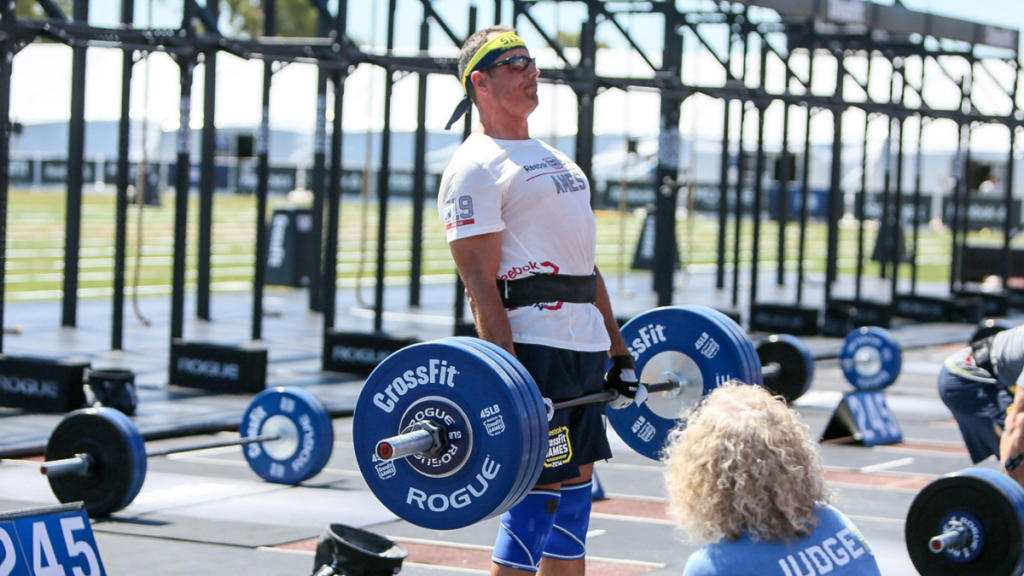
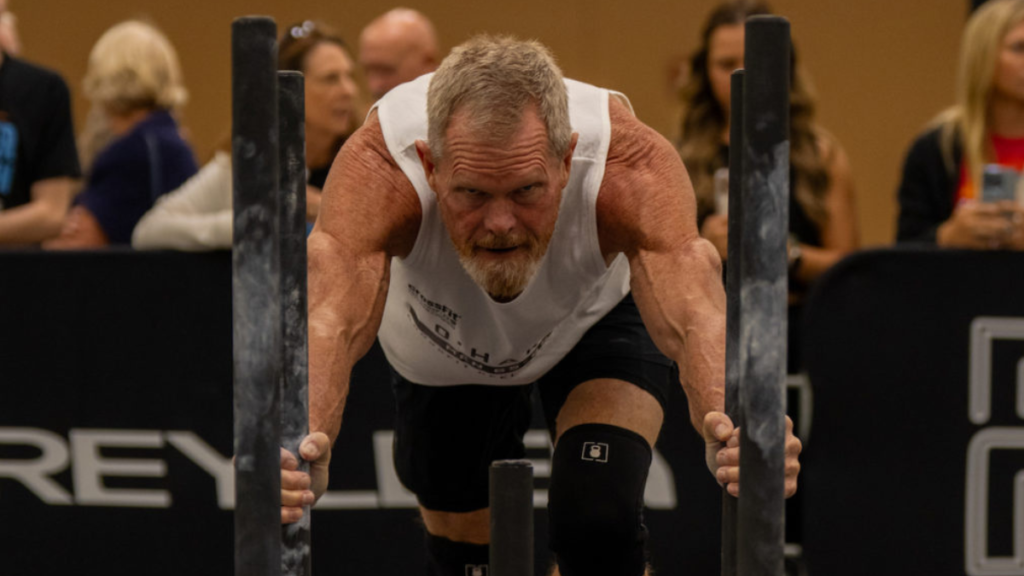
Strength training becomes increasingly important as we age. After 40, lifters must adapt their training strategies to maintain muscle mass, avoid injury and sustain long-term progression. Research suggests that muscle loss accelerates with age, primarily due to declining hormone levels, reduced protein synthesis and changes in recovery capacity (Wroblewski et al., 2011).
However, with the right approach, individuals over 40 can continue to make significant strength gains while minimising the risk of setbacks. Below are five scientifically backed strength training tips for lifters over 40.


1. Prioritise Recovery and Manage Volume
Recovery becomes a crucial component of training as we age. Studies indicate that muscle protein synthesis rates decline with age, leading to slower recovery and greater susceptibility to overtraining (Kumar et al., 2009). Therefore, training volume and frequency should be adjusted accordingly.

A study published in The Journal of Strength and Conditioning Research found that older athletes benefit from reduced training volume and increased rest days to optimise muscle repair and avoid overuse injuries (Izquierdo et al., 2001). A practical approach is to train three to four times per week, allowing at least 48 hours between sessions targeting the same muscle groups. Additionally, incorporating active recovery strategies such as stretching, mobility work and low-intensity activities can enhance recovery efficiency.
2. Focus on Compound Movements with Controlled Tempo
Heavy, multi-joint exercises should remain a staple in a lifter’s routine beyond 40. Research shows that compound movements like squats, deadlifts and presses elicit greater anabolic hormone responses compared to isolation exercises (Ahtiainen et al., 2003). However, the execution of these lifts should be adjusted.
Slower and more controlled eccentric movements have been shown to increase time under tension, leading to improved muscle hypertrophy and reduced joint stress (Schoenfeld et al., 2015). By controlling the lowering phase of each lift and avoiding explosive movements that place excessive stress on connective tissues, lifters can continue building strength while minimising wear and tear on joints.
3. Incorporate Mobility and Joint Health Exercises
Joint stiffness and reduced range of motion are common concerns for lifters over 40. A study in Sports Medicine highlights that flexibility and joint mobility decline with age, increasing the risk of injury (Feland et al., 2001).
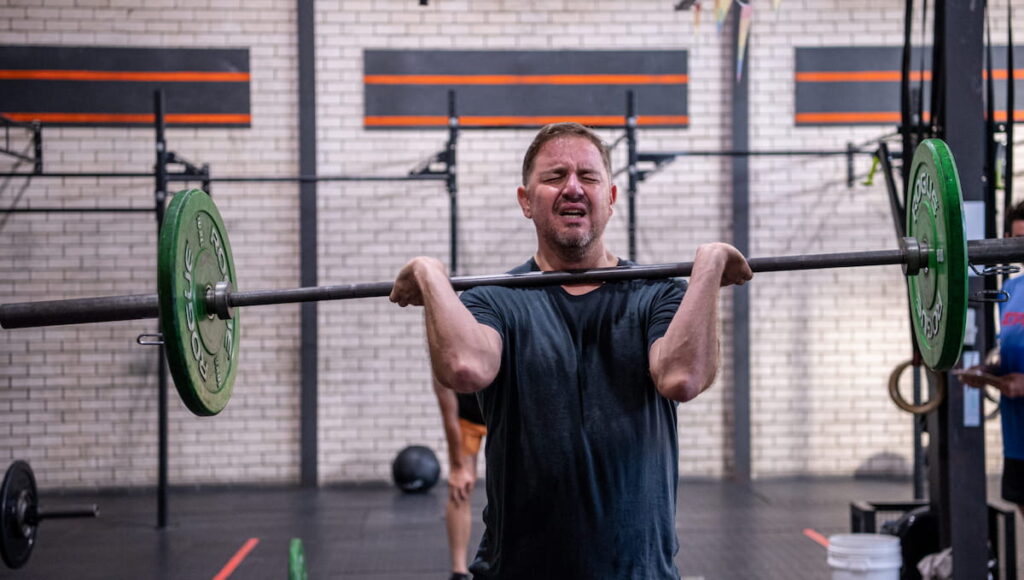
Incorporating dynamic stretching, foam rolling and mobility drills into a warm-up routine can help maintain functional movement patterns and prevent stiffness. Additionally, strengthening stabilising muscles around key joints, such as the shoulders, hips and knees, can enhance resilience. Exercises like banded external rotations for the shoulders, single-leg stability drills and hip mobility movements should be prioritised.
4. Optimise Protein Intake and Nutrient Timing
Maintaining muscle mass requires sufficient protein intake, and research suggests that older individuals require higher protein consumption per meal compared to younger individuals to stimulate muscle protein synthesis effectively (Moore et al., 2015). The International Society of Sports Nutrition recommends that lifters over 40 consume at least 1.6 to 2.2 grams of protein per kilogram of body weight per day (Jäger et al., 2017).
Furthermore, distributing protein intake evenly across meals—especially post-workout—enhances muscle recovery and growth. In addition to protein, ensuring adequate micronutrient intake, such as omega-3 fatty acids, vitamin D and magnesium, supports joint health and reduces inflammation.
5. Use Periodisation to Avoid Plateaus and Injuries
Linear progression becomes less sustainable with age, making periodised training essential. Research in Medicine & Science in Sports & Exercise demonstrates that older lifters benefit from undulating periodisation, where training intensity and volume are varied across weeks or cycles (Rhea et al., 2003).
This approach prevents overuse injuries and enhances long-term progression. A sample periodisation model includes alternating between phases of hypertrophy (higher reps, moderate weight), strength (lower reps, heavier weight) and deload weeks to allow for full recovery. Implementing regular de-loads every four to six weeks can prevent overtraining and allow the nervous system to recover fully.
Conclusion
Lifters over 40 can continue to build strength and muscle by optimising their training approach. Prioritising recovery, focusing on controlled compound movements, incorporating mobility work, optimising protein intake and using periodisation strategies are key to longevity in strength training.
Adjusting training methods to align with physiological changes allows for sustainable progress without compromising joint health or recovery capacity. By implementing these evidence-based strategies, lifters can maintain strength, prevent injuries and continue making gains well beyond their 40s.
Key Takeaways
| Strength Training Tip | Key Insight |
|---|---|
| Prioritise Recovery | Reduce training volume, increase rest days, and incorporate active recovery methods. |
| Compound Movements | Use multi-joint exercises with controlled tempo to minimise joint stress. |
| Mobility & Joint Health | Implement dynamic stretching and stability exercises to prevent stiffness and injury. |
| Optimise Protein Intake | Consume 1.6-2.2g/kg of protein daily, spread across meals for muscle maintenance. |
| Periodisation | Cycle intensity and volume to avoid plateaus and reduce injury risk. |
Bibliography Ahtiainen, J. P., Pakarinen, A., Alen, M., Kraemer, W. J. & Häkkinen, K. (2003) ‘Muscle hypertrophy, hormonal adaptations and strength development during strength training in strength-trained and untrained men’, European Journal of Applied Physiology, 89(6), pp. 555–563.
Feland, J. B., Myrer, J. W., Schulthies, S. S., Fellingham, G. W. & Measom, G. W. (2001) ‘The effect of duration of stretching of the hamstring muscle group for increasing range of motion in people aged 65 years or older’, Physical Therapy, 81(5), pp. 1110-1117.
Izquierdo, M., Ibanez, J., Gonzalez-Badillo, J. J., Häkkinen, K., Ratamess, N. A., Kraemer, W. J. & Gorostiaga, E. M. (2001) ‘Differential effects of strength training leading to failure versus not to failure on hormonal responses, strength, and muscle power gains’, Journal of Applied Physiology, 91(2), pp. 337–346.
Jäger, R., Kerksick, C. M., Campbell, B. I., Cribb, P. J., Wells, S. D., Skwiat, T. M., Purpura, M., Ziegenfuss, T. N., Ferrando, A. A., Arent, S. M., Smith-Ryan, A. E. & Stout, J. R. (2017) ‘International Society of Sports Nutrition Position Stand: protein and exercise’, Journal of the International Society of Sports Nutrition, 14(1), pp. 20.
Kumar, V., Atherton, P., Smith, K. & Rennie, M. J. (2009) ‘Human muscle protein synthesis and breakdown during and after exercise’, The Journal of Applied Physiology, 106(6), pp. 2026-2039.
Moore, D. R., Churchward-Venne, T. A., Witard, O., Breen, L., Burd, N. A., Tipton, K. D. & Phillips, S. M. (2015) ‘Protein ingestion to stimulate myofibrillar protein synthesis requires greater relative protein intakes in healthy older versus younger men’, The Journal of Nutrition, 145(6), pp. 1156-1162.
Rhea, M. R., Alvar, B. A., Burkett, L. N. & Ball, S. D. (2003) ‘A meta-analysis to determine the dose response for strength development’, Medicine & Science in Sports & Exercise, 35(3), pp. 456-464.
Schoenfeld, B. J., Wilson, J. M., Lowery, R. P. & Krieger, J. W. (2015) ‘Muscular adaptations in low- versus high-load resistance training’, The Journal of Strength & Conditioning Research, 29(10), pp. 2954-2963.
Wroblewski, A. P., Amati, F., Smiley, M. A., Goodpaster, B. H. & Wright, V. (2011) ‘Chronic exercise preserves lean muscle mass in masters athletes’, The Physician and Sportsmedicine, 39(3), pp. 172-178.