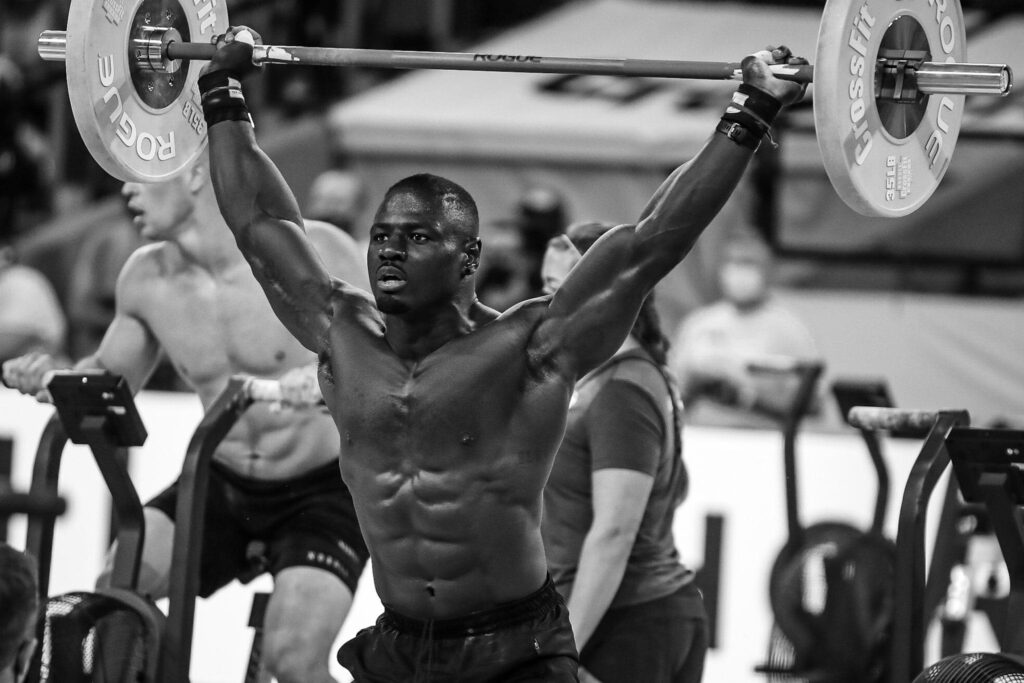
Stress is an unavoidable part of life, but chronic stress can significantly hinder your fitness progress. The body’s response to stress involves the activation of the hypothalamic-pituitary-adrenal (HPA) axis, leading to increased cortisol production (Tsigos & Chrousos, 2002).
While cortisol is necessary for survival, excessive levels can impair muscle growth, hinder recovery, and promote fat storage.


Below, we explore six ways stress is sabotaging your progress and how to mitigate its impact.
1. Increased Cortisol Inhibits Muscle Growth
Cortisol, a glucocorticoid hormone, is catabolic, meaning it breaks down muscle tissue. Research has shown that elevated cortisol levels lead to increased protein breakdown and reduced protein synthesis (West & Phillips, 2012). High cortisol levels also reduce the effectiveness of anabolic hormones such as testosterone and growth hormone (Crewther et al., 2006), making it harder to build and maintain muscle mass.
How to Fix It:
- Prioritise sleep: Studies indicate that sleep deprivation elevates cortisol levels (Leproult et al., 1997).
- Incorporate relaxation techniques: Meditation and controlled breathing exercises have been shown to lower cortisol levels (Pascoe et al., 2017).
- Optimise nutrition: Consuming adequate protein and carbohydrates can help reduce stress-induced catabolism (van Loon, 2004).
2. Stress Promotes Fat Storage
Chronic stress is linked to increased fat accumulation, particularly visceral fat, which is strongly associated with metabolic disorders (Adam & Epel, 2007). Elevated cortisol levels increase appetite and cravings for high-calorie, palatable foods (Dallman et al., 2003), making it harder to maintain a lean physique.
How to Fix It:
- Manage calorie intake: Be mindful of emotional eating and ensure a balanced macronutrient intake.
- Engage in regular physical activity: Exercise helps regulate cortisol levels and supports fat loss (Hansen et al., 2011).
- Improve sleep hygiene: Poor sleep exacerbates stress-induced fat storage (Nedeltcheva et al., 2010).
3. Stress Impairs Recovery and Performance
Cortisol negatively impacts recovery by increasing inflammation and delaying muscle repair (Tidball, 2017). High stress levels also impair neuromuscular function, leading to decreased strength and endurance (Bartholomew et al., 2008).

How to Fix It:
- Schedule rest days: Avoid overtraining and allow sufficient recovery between sessions.
- Use active recovery methods: Low-intensity activities like walking and mobility work can help reduce stress (Chen et al., 2017).
- Maintain proper hydration: Dehydration amplifies the physiological effects of stress (Casa et al., 2010).
4. Stress Reduces Testosterone and Growth Hormone
Testosterone and growth hormone are critical for muscle growth and strength. Chronic stress suppresses these hormones while increasing cortisol, leading to suboptimal training outcomes (Cumming et al., 1989).
How to Fix It:
- Eat sufficient healthy fats: Dietary fats, particularly monounsaturated and polyunsaturated fats, support testosterone production (Volek et al., 1997).
- Prioritise compound lifts: Heavy resistance training with multi-joint movements has been shown to boost testosterone and growth hormone levels (Kraemer et al., 1990).
- Reduce stress through social support: Positive social interactions help modulate stress responses and support hormonal balance (Taylor et al., 2000).
5. Stress Weakens the Immune System
Chronic stress suppresses immune function, making individuals more susceptible to illness and infections (Glaser & Kiecolt-Glaser, 2005). Frequent sickness can disrupt training consistency and delay progress.
How to Fix It:
- Eat micronutrient-rich foods: Vitamins C and D, as well as zinc, play essential roles in immune function (Maggini et al., 2012).
- Avoid excessive alcohol consumption: Alcohol exacerbates immune suppression (Szabo & Saha, 2015).
- Engage in moderate-intensity exercise: Overtraining weakens immunity, whereas moderate training enhances it (Nieman, 2000).
6. Stress Increases Risk of Injury
High stress levels increase muscle tension and reduce motor control, heightening the risk of injury (Andersen & Williams, 1988). A study found that athletes experiencing higher stress levels had a significantly increased risk of sports-related injuries (Maddison & Prapavessis, 2005).
How to Fix It:
- Incorporate mobility work: Regular stretching and mobility drills can mitigate stress-related muscle tightness (Behm & Chaouachi, 2011).
- Implement stress management strategies: Cognitive-behavioural therapy (CBT) has been shown to reduce injury risk by improving stress resilience (Johnson et al., 2005).
- Focus on proper warm-ups: Dynamic warm-ups prepare the body for exercise and reduce injury likelihood (McCrary et al., 2015).
Conclusion
Chronic stress is a major barrier to fitness progress, affecting muscle growth, fat loss, recovery, hormonal balance, immune function, and injury risk. Implementing practical strategies such as optimising sleep, managing calorie intake, prioritising recovery, and engaging in stress-reducing activities can mitigate these effects and keep you on track towards your fitness goals.
Key Takeaways
| Factor | Effect of Stress | Solution |
|---|---|---|
| Cortisol Levels | Inhibits muscle growth and increases protein breakdown | Prioritise sleep, relaxation techniques, and proper nutrition |
| Fat Storage | Promotes visceral fat accumulation and cravings | Manage calorie intake, exercise, and improve sleep quality |
| Recovery & Performance | Increases inflammation and decreases strength | Schedule rest days, use active recovery, stay hydrated |
| Hormonal Balance | Lowers testosterone and growth hormone | Eat healthy fats, prioritise compound lifts, seek social support |
| Immune Function | Weakens immune system, leading to frequent illness | Consume micronutrients, avoid excessive alcohol, engage in moderate exercise |
| Injury Risk | Increases muscle tension and reduces motor control | Do mobility work, use stress management strategies, warm up properly |
References
Adam, T.C. & Epel, E.S., 2007. Stress, eating and the reward system. Physiology & Behavior, 91(4), pp.449-458.
Andersen, M.B. & Williams, J.M., 1988. A model of stress and athletic injury: Prediction and prevention. Journal of Sport and Exercise Psychology, 10(3), pp.294-306.
Bartholomew, J.B., Stults-Kolehmainen, M.A., Elrod, C.C. & Todd, J.S., 2008. Strength gains after resistance training: The effect of stressful, negative life events. Journal of Strength and Conditioning Research, 22(4), pp.1215-1221.
Behm, D.G. & Chaouachi, A., 2011. A review of the acute effects of static and dynamic stretching on performance. European Journal of Applied Physiology, 111(11), pp.2633-2651.
Casa, D.J. et al., 2010. National athletic trainers’ association position statement: Fluid replacement for athletes. Journal of Athletic Training, 45(3), pp.328-345.
Crewther, B.T., Cook, C.J., Cardinale, M., Weatherby, R.P. & Lowe, T., 2006. Two emerging concepts for elite athletes: The short-term effects of testosterone and cortisol on the neuromuscular system. Sports Medicine, 36(12), pp.907-931.