Are you making any of these errors?
1. Not Following a Structured Programme
One of the most common mistakes gym-goers make is not adhering to a structured training programme. Randomly selecting exercises or training without a clear goal leads to inconsistent progress and wasted effort.


A well-designed programme should incorporate progressive overload, periodisation, and specific training variables tailored to an individual’s goals. Research shows that structured resistance training significantly improves muscle hypertrophy and strength compared to non-periodised training (Kraemer & Ratamess, 2004).
How to Fix It
Follow a scientifically-backed programme that aligns with your objectives. Whether your goal is hypertrophy, strength, or endurance, ensure that the plan includes progressive overload, adequate recovery, and specificity.
2. Over-Reliance on Machines Over Free Weights
Many gym-goers rely excessively on resistance machines rather than incorporating free weights. While machines can be useful for beginners and rehabilitation, they limit the activation of stabiliser muscles and reduce the functional carryover to real-world movements.

A study comparing free weights and machines found that free weight exercises engage more muscle groups and lead to greater neuromuscular adaptations (Schwanbeck et al., 2009).
How to Fix It
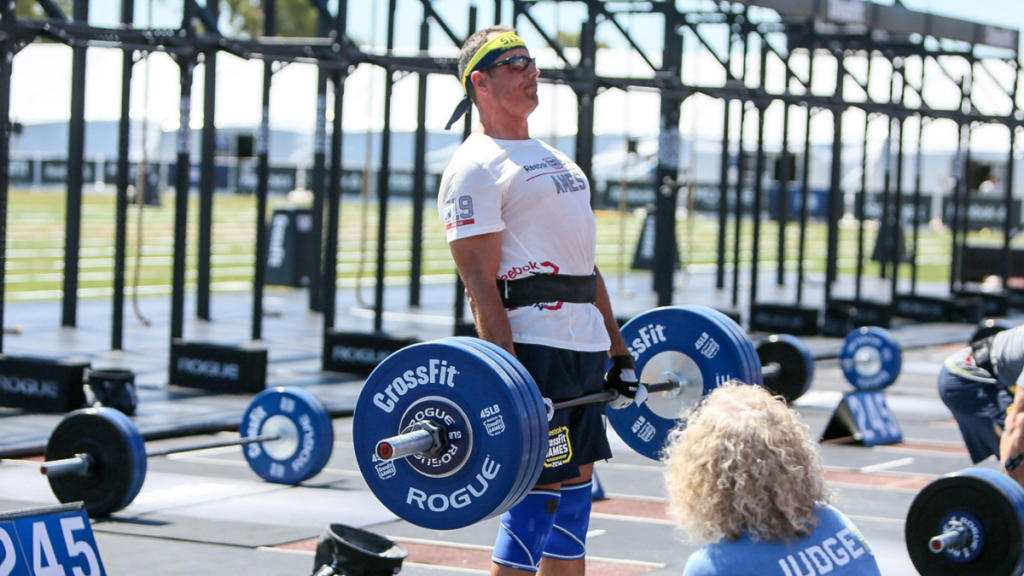
Incorporate compound free-weight movements such as squats, deadlifts, bench presses, and overhead presses. These exercises activate more muscle fibres and contribute to overall strength development.
3. Ignoring Proper Recovery and Sleep
Many individuals underestimate the role of recovery, particularly sleep, in muscle growth and performance. Sleep deprivation impairs muscle protein synthesis, reduces testosterone levels, and increases cortisol production, which can hinder recovery and progress (Reilly & Edwards, 2007).
Additionally, excessive training without adequate rest increases the risk of overtraining syndrome, which leads to decreased performance and a higher likelihood of injury.
How to Fix It
Aim for 7-9 hours of quality sleep per night and incorporate deload weeks into your training routine. Recovery strategies such as active rest, stretching, and foam rolling can also aid muscle repair and reduce injury risk.
4. Poor Exercise Form and Technique
Improper exercise execution is a major contributor to gym injuries and inefficient training. Lifting with incorrect form reduces the effectiveness of the exercise and increases the risk of musculoskeletal injuries. A study on biomechanics highlights that incorrect technique leads to joint stress and muscular imbalances (Myer et al., 2008).
How to Fix It
Prioritise proper form over heavy weights. Work with a qualified coach or use video analysis to assess your technique. Performing exercises with full range of motion ensures optimal muscle activation and reduces the likelihood of injury.
5. Doing Too Much Cardio for Muscle Growth

Excessive cardio, especially when performed in conjunction with resistance training, can interfere with muscle growth due to the phenomenon known as the interference effect. Studies suggest that high amounts of endurance training can impair strength and hypertrophy adaptations by promoting conflicting physiological responses (Wilson et al., 2012).
How to Fix It
Balance your cardio and resistance training based on your goals. If muscle growth is the priority, limit prolonged endurance sessions and opt for short, high-intensity interval training (HIIT) instead. Ensure adequate caloric intake to support muscle recovery and growth.
Key Takeaways
| Training Mistake | Solution |
|---|---|
| Not following a structured programme | Implement a science-based plan with progressive overload |
| Over-reliance on machines | Prioritise free weights for better muscle activation |
| Ignoring recovery and sleep | Get 7-9 hours of sleep and incorporate rest days |
| Poor exercise form | Focus on technique and seek professional guidance |
| Excessive cardio for muscle growth | Balance cardio with strength training and use HIIT |
Bibliography
Kraemer, W.J. & Ratamess, N.A. (2004). ‘Fundamentals of resistance training: progression and exercise prescription’, Medicine & Science in Sports & Exercise, 36(4), pp. 674-688.
Myer, G.D., Ford, K.R., Brent, J.L. & Hewett, T.E. (2008). ‘The effects of plyometric vs. dynamic stabilization and balance training on lower extremity biomechanics’, The American Journal of Sports Medicine, 34(3), pp. 490-498.
Reilly, T. & Edwards, B. (2007). ‘Altered sleep-wake cycles and physical performance in athletes’, Physiology & Behavior, 90(2-3), pp. 274-284.
Schwanbeck, S., Chilibeck, P.D. & Binsted, G. (2009). ‘A comparison of free weight squat to Smith machine squat using electromyography’, Journal of Strength and Conditioning Research, 23(9), pp. 2588-2591.
Wilson, J.M., Marin, P.J., Rhea, M.R., Wilson, S.M.C., Loenneke, J.P. & Anderson, J.C. (2012). ‘Concurrent training: a meta-analysis examining interference of aerobic and resistance exercises’, Journal of Strength and Conditioning Research, 26(8), pp. 2293-2307.