Losing weight isn’t just about eating less; it’s about eating right. Certain foods can help with weight loss by promoting satiety, boosting metabolism, and regulating blood sugar levels. The following ten foods are backed by scientific research to support weight loss while providing essential nutrients.
1. Eggs
Eggs are a nutrient-dense food high in protein and healthy fats. Protein increases satiety and reduces overall calorie intake by lowering levels of the hunger hormone ghrelin while increasing levels of peptide YY, which promotes fullness (Veldhorst et al., 2009). Studies have shown that consuming eggs for breakfast leads to a lower calorie intake throughout the day (Vander Wal et al., 2005).


2. Leafy Greens
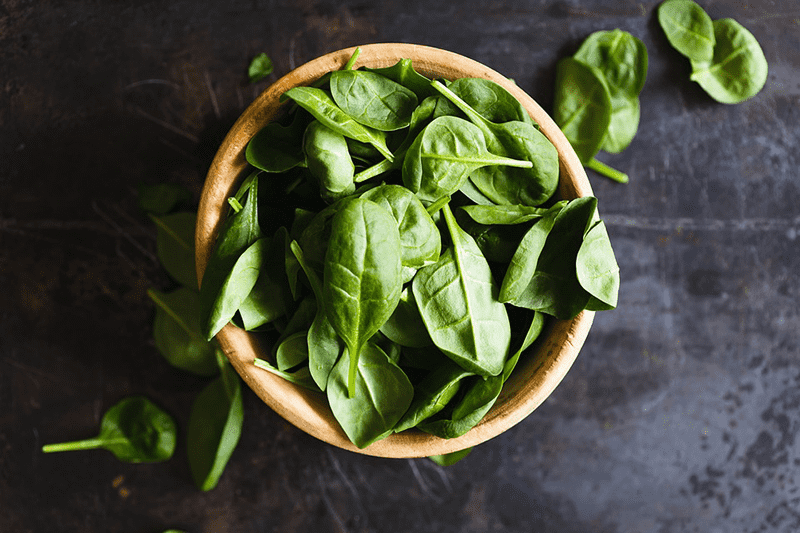
Leafy greens such as spinach, kale, and Swiss chard are low in calories but high in fibre, vitamins, and minerals. Fibre slows digestion and increases satiety, which can help reduce overall calorie intake (Slavin, 2005). Leafy greens also contain thylakoids, plant compounds that have been found to enhance satiety and promote weight loss (Montelius et al., 2014).
3. Salmon
Fatty fish like salmon are rich in omega-3 fatty acids, which have been shown to reduce inflammation and support fat metabolism (Buckley & Howe, 2009). Salmon is also a high-protein food, which contributes to muscle preservation and increased thermogenesis, leading to higher calorie expenditure (Gillingham et al., 2007).
4. Cruciferous Vegetables
Cruciferous vegetables such as broccoli, cauliflower, and Brussels sprouts are rich in fibre and protein compared to most other vegetables. Their high fibre content promotes satiety, while their protein content helps maintain muscle mass during weight loss (Williams et al., 2016). Additionally, they contain bioactive compounds that may enhance fat loss (Borges-Canha et al., 2020).
5. Chicken Breast
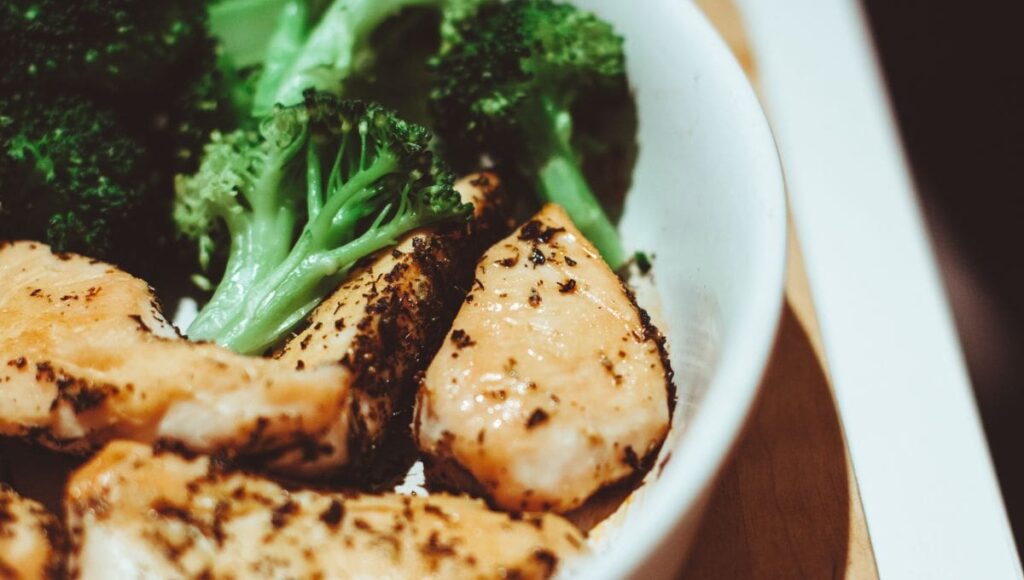
Lean proteins like chicken breast are crucial for weight loss as they help preserve muscle mass while promoting satiety. High-protein diets have been associated with reduced cravings and a natural reduction in calorie intake (Leidy et al., 2015). A study showed that individuals consuming higher protein diets lost more fat while preserving lean body mass (Pasiakos et al., 2013).
6. Beans and Legumes
Legumes, including lentils, chickpeas, and black beans, are excellent plant-based protein sources high in fibre. Their high fibre content slows digestion, leading to prolonged satiety and better blood sugar regulation (Marventano et al., 2017). Studies indicate that consuming legumes can lead to modest weight loss and improved metabolic health (Viguiliouk et al., 2019).
7. Greek Yoghurt
Greek yoghurt is rich in protein and probiotics, which support gut health and weight management. Studies suggest that consuming dairy proteins, particularly casein and whey, enhances satiety and promotes fat loss (Abargouei et al., 2012).
Probiotics have also been linked to reductions in body fat percentage (Kadooka et al., 2010).
8. Nuts
Despite being calorie-dense, nuts such as almonds and walnuts support weight loss due to their protein, fibre, and healthy fat content. Research has shown that nut consumption is associated with lower body weight and reduced risk of obesity (Bes-Rastrollo et al., 2007).
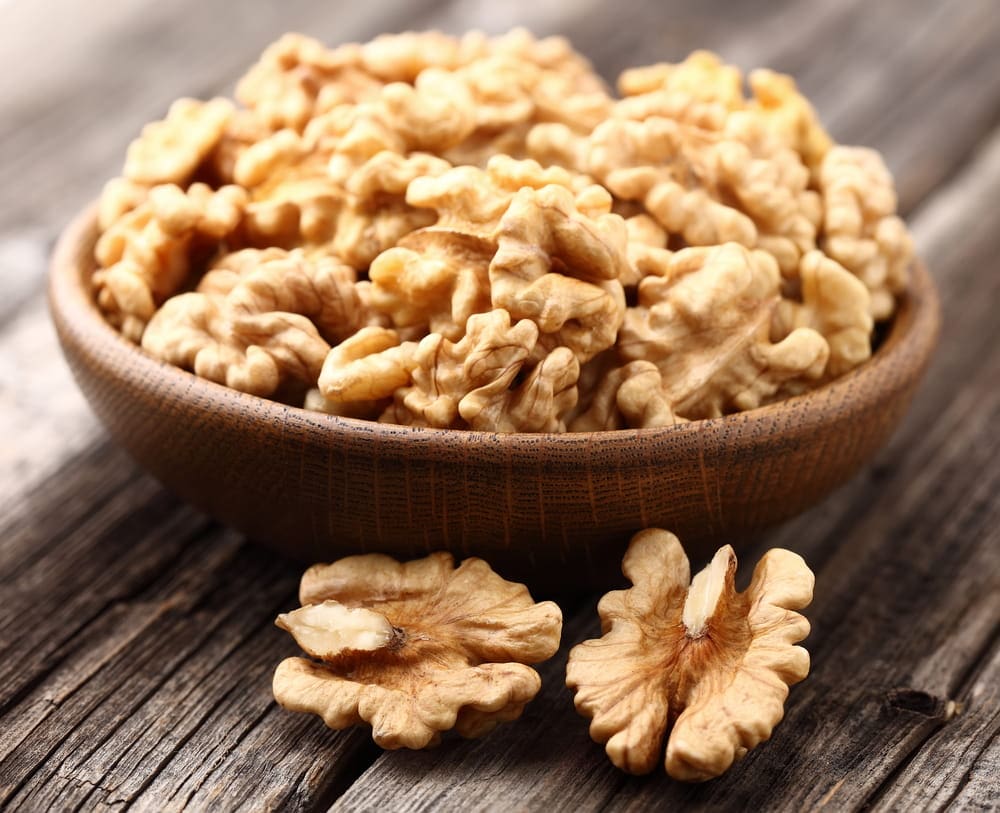
Their high unsaturated fat content also enhances fat oxidation and thermogenesis (Mattes et al., 2008).
9. Whole Grains
Whole grains like quinoa, brown rice, and oats contain fibre and protein, which help control appetite and prevent overeating. The high fibre content supports gut health and improves insulin sensitivity, reducing fat storage (Rebello et al., 2016). Whole grains have been linked to reduced BMI and lower rates of obesity (Koh-Banerjee et al., 2004).
10. Berries
Berries such as blueberries, strawberries, and raspberries are rich in antioxidants, fibre, and polyphenols that support weight loss. Their high fibre content slows sugar absorption, preventing spikes in blood sugar and cravings (Gupta et al., 2018). Additionally, polyphenols in berries have been shown to influence fat metabolism positively (Duthie et al., 2018).
Key Takeaways Table
| Food | Benefits for Weight Loss |
|---|---|
| Eggs | High in protein, reduces hunger hormones, increases satiety. |
| Leafy Greens | Low-calorie, high-fibre, rich in thylakoids that promote satiety. |
| Salmon | Omega-3s reduce inflammation, high protein boosts metabolism. |
| Cruciferous Vegetables | High in fibre and protein, contains fat-burning bioactive compounds. |
| Chicken Breast | Lean protein supports muscle retention and satiety. |
| Beans and Legumes | High in fibre and protein, aids in blood sugar control and satiety. |
| Greek Yoghurt | Rich in protein and probiotics, supports gut health and fat loss. |
| Nuts | Protein, fibre, and healthy fats promote fullness and fat oxidation. |
| Whole Grains | High-fibre, protein-rich, improves insulin sensitivity. |
| Berries | High in antioxidants, fibre, and polyphenols that support fat metabolism. |
Bibliography
Abargouei, A.S., Janghorbani, M., Salehi-Marzijarani, M. and Esmaillzadeh, A., 2012. Effect of dairy consumption on weight and body composition in adults: a meta-analysis of randomized controlled clinical trials. International Journal of Obesity, 36(12), pp.1485-1493.
Bes-Rastrollo, M., Sabate, J., Gomez-Gracia, E., Alonso, A., Martinez, J.A. and Martinez-Gonzalez, M.A., 2007. Nut consumption and weight gain in a Mediterranean cohort: The SUN study. Obesity, 15(1), pp.107-116.
Borges-Canha, M., Fonseca-Reis, I., Domingues, V., Afonso, M.B., Weinert, L.S., Passos, M. and Vale, C., 2020. Diet and gut microbiota in weight loss and maintenance: Influence of dietary patterns and bioactive foods. Critical Reviews in Food Science and Nutrition, 60(14), pp.2261-2272.
Buckley, J.D. and Howe, P.R.C., 2009. Long-chain omega-3 polyunsaturated fatty acids may be beneficial for reducing obesity—a review. Nutrients, 1(2), pp.133-149.