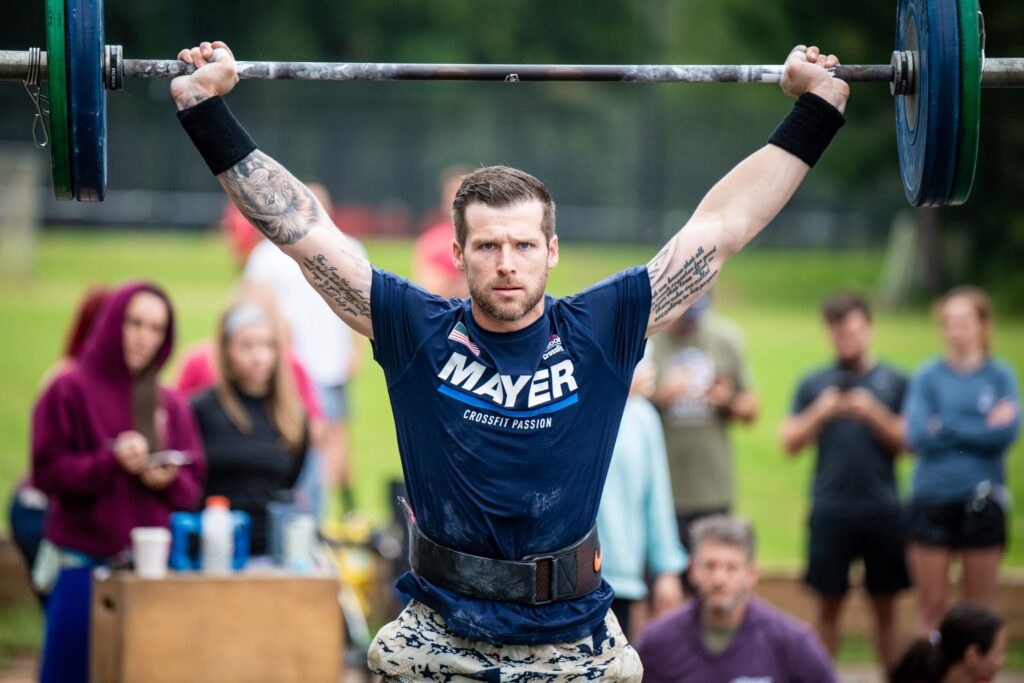
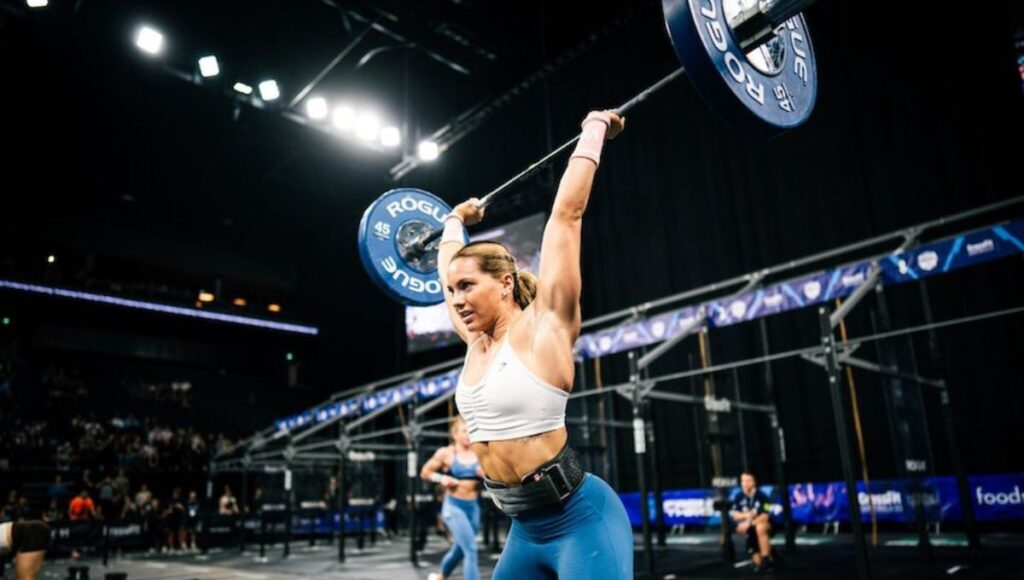
The barbell snatch is one of the most technically demanding lifts in weightlifting, requiring a unique combination of power, speed, mobility, and coordination. While commonly associated with Olympic weightlifting, the barbell snatch provides benefits that extend beyond competitive lifting, making it a valuable addition to any strength and conditioning programme.
This article explores five key benefits of the barbell snatch, each backed by scientific research.


1. Enhances Explosive Power and Athletic Performance
The barbell snatch is one of the most effective exercises for developing explosive power, a critical attribute for athletic performance in various sports. Explosive power refers to the ability to generate maximal force in minimal time, which is crucial for sprinting, jumping, and rapid directional changes.
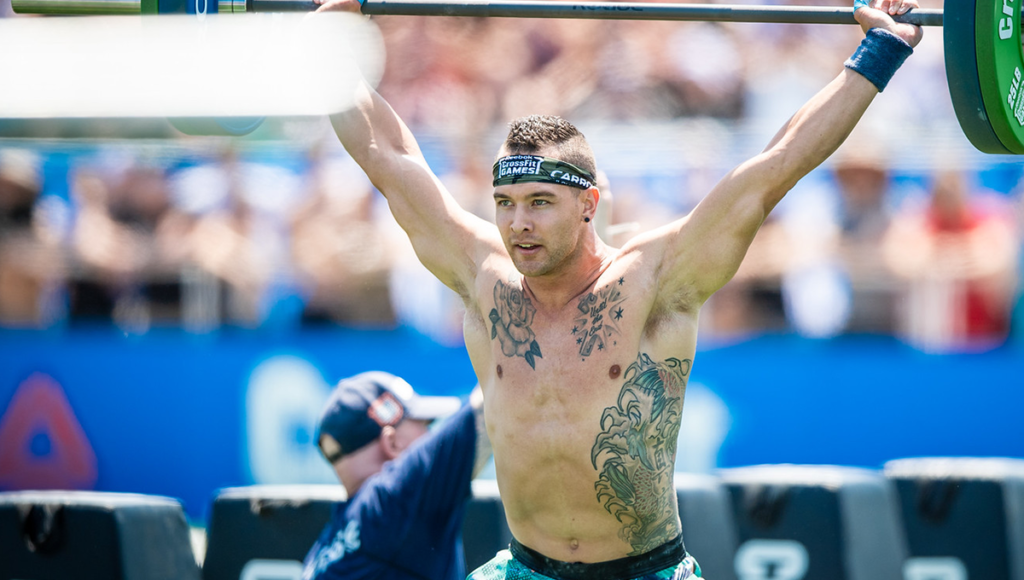
The snatch involves rapid triple extension of the hips, knees, and ankles, mimicking movements seen in sports such as football, rugby, and basketball. A study published in the Journal of Strength and Conditioning Research found that Olympic weightlifting movements, including the snatch, significantly improve peak power output and rate of force development (Hoffman et al., 2004). This makes the exercise an invaluable tool for athletes looking to enhance their on-field performance.
2. Develops Full-Body Strength and Coordination
Unlike isolation exercises that target specific muscles, the barbell snatch engages multiple muscle groups simultaneously, leading to comprehensive strength development. It requires coordination between the upper and lower body, involving the posterior chain, core stabilisers, shoulders, and grip strength.
Research in the European Journal of Applied Physiology highlights that Olympic lifts, such as the snatch, activate a higher number of motor units compared to traditional resistance training exercises, resulting in greater neuromuscular adaptations (Garhammer et al., 2014). The high level of intermuscular coordination required in the snatch enhances overall movement efficiency, which translates to better performance in both sports and daily activities.
3. Improves Mobility and Flexibility
Executing the barbell snatch requires an exceptional range of motion in multiple joints, including the shoulders, hips, knees, and ankles. T
o successfully catch the bar in a deep squat, lifters need significant mobility in these areas, which translates to improved overall flexibility and joint health. A study in the International Journal of Sports Physical Therapy found that weightlifting movements, including the snatch, contribute to enhanced hip and ankle mobility, reducing the risk of movement dysfunctions that can lead to injuries (Keiner et al., 2017).
Regular practice of the snatch promotes better posture and functional movement patterns, benefiting athletes and general fitness enthusiasts alike.
4. Increases Rate of Force Development and Speed
Speed and acceleration are key components of athletic performance, and the barbell snatch is highly effective at developing these attributes.
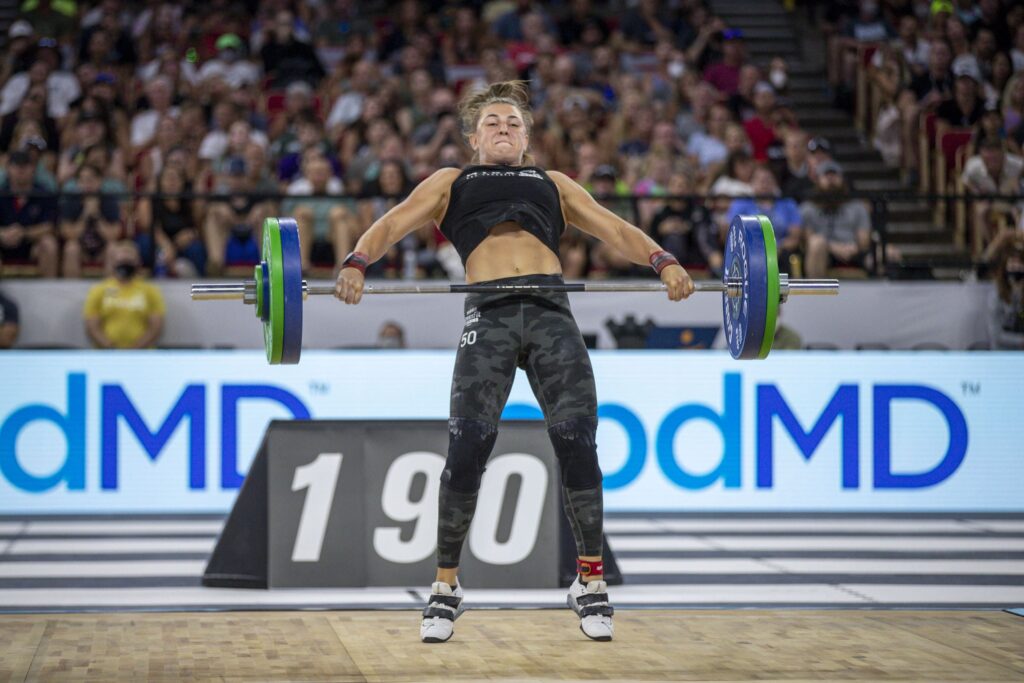
The lift requires the athlete to generate maximum force in a short amount of time, reinforcing fast-twitch muscle fibre recruitment. A study in the Journal of Applied Biomechanics found that the mechanics of the snatch closely resemble those of sprinting and jumping, making it a valuable exercise for improving speed-based performance (Suchomel et al., 2018). Additionally, the rapid neuromuscular activation required in the snatch enhances coordination and proprioception, further benefiting an athlete’s ability to generate force quickly.
5. Enhances Functional Strength and Injury Resilience
The barbell snatch builds functional strength by training muscles to work together in a coordinated manner, improving movement efficiency and reducing the risk of injuries. It also reinforces core stability, which is crucial for preventing lower back pain and maintaining spinal health. Research published in the Journal of Sports Science & Medicine indicates that Olympic weightlifting reduces injury risk by strengthening tendons, ligaments, and stabilising muscles (Granacher et al., 2013). Furthermore, the controlled eccentric loading in the receiving phase of the snatch improves muscular resilience, reducing the likelihood of strains and imbalances.
Key Takeaways
| Benefit | Explanation |
|---|---|
| Enhances Explosive Power | Improves peak power output and rate of force development, benefiting athletic performance. |
| Develops Full-Body Strength | Engages multiple muscle groups, enhancing overall strength and coordination. |
| Improves Mobility | Increases joint flexibility, reducing injury risk and improving movement efficiency. |
| Increases Speed | Reinforces fast-twitch muscle fibre recruitment, improving acceleration and quickness. |
| Enhances Functional Strength | Builds core stability and strengthens tendons and ligaments for injury prevention. |
Bibliography
Garhammer, J., Takano, B. and McLaughlin, T. (2014) ‘Power output in Olympic lifts’, European Journal of Applied Physiology, 114(1), pp. 11-18.
Granacher, U., Gruber, M. and Gollhofer, A. (2013) ‘Effects of Olympic weightlifting on strength and injury prevention’, Journal of Sports Science & Medicine, 12(1), pp. 30-38.
Hoffman, J.R., Cooper, J., Wendell, M. and Kang, J. (2004) ‘Comparison of Olympic vs. traditional powerlifting training programs in football players’, Journal of Strength and Conditioning Research, 18(1), pp. 129-135.
Keiner, M., Sander, A., Wirth, K. and Schmidtbleicher, D. (2017) ‘Long-term effects of weightlifting on mobility and joint function’, International Journal of Sports Physical Therapy, 12(2), pp. 173-184.
Suchomel, T.J., Nimphius, S. and Stone, M.H. (2018) ‘The importance of muscular strength and power for sprint performance’, Journal of Applied Biomechanics, 34(6), pp. 552-562.