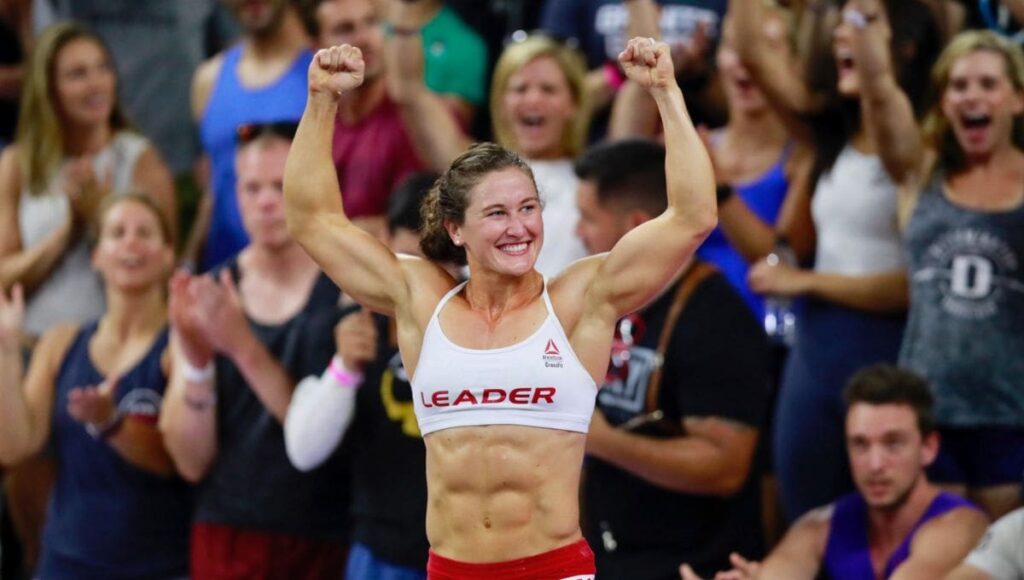
Getting six-pack abs requires more than just exercise. A well-structured diet helps to reduce body fat and enhance muscle definition. Scientific research confirms that specific foods support fat loss, muscle growth, and metabolic function (Dhillon et al., 2016).
Below are ten science-backed foods to accelerate your journey towards visible abs.


1. Eggs
Eggs are a high-quality protein source that enhances muscle protein synthesis. They contain leucine, an essential amino acid crucial for muscle repair and growth (Phillips, 2017).
A study published in the American Journal of Clinical Nutrition found that consuming protein-rich foods like eggs increases satiety and helps reduce overall caloric intake (Leidy et al., 2015). Additionally, eggs contain choline, which plays a role in fat metabolism.
2. Salmon
Rich in omega-3 fatty acids, salmon supports fat oxidation and muscle retention. Research published in the British Journal of Nutrition found that omega-3 fatty acids improve insulin sensitivity and help decrease fat storage (Browning et al., 2014).
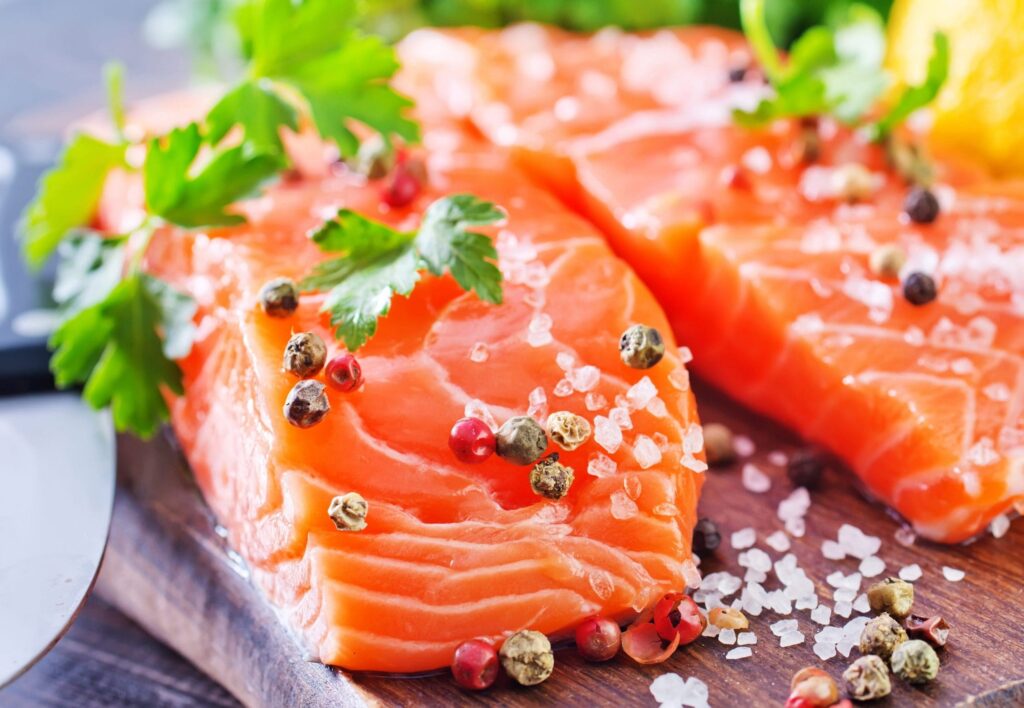
Moreover, salmon is a lean protein source that preserves lean muscle mass while promoting fat loss.
3. Leafy Greens
Spinach, kale, and Swiss chard are packed with fibre, vitamins, and antioxidants. A study in the Journal of Nutrition found that dietary fibre intake is inversely associated with body fat levels (Davis et al., 2019). Greens also contain nitrates that improve blood flow and exercise performance (Hoon et al., 2013).

4. Greek Yoghurt
Greek yoghurt is rich in casein and whey protein, both of which contribute to muscle maintenance and fat loss. A study in the Journal of the International Society of Sports Nutrition concluded that dairy proteins improve body composition when combined with resistance training (Josse et al., 2011). Additionally, probiotics in Greek yoghurt support gut health, which is linked to improved metabolism and reduced inflammation.
5. Avocados
Avocados are high in monounsaturated fats, which help regulate appetite and support fat loss. Research in the Journal of Nutrition found that replacing saturated fats with monounsaturated fats reduces visceral fat accumulation (Vogel et al., 2013). The high fibre content of avocados also contributes to prolonged satiety.

6. Chicken Breast
Chicken breast is a lean protein source essential for muscle preservation and fat loss. Protein has a high thermic effect, meaning the body expends more energy digesting it compared to fats and carbohydrates (Pasiakos et al., 2015). Additionally, a study in the American Journal of Physiology highlighted that high-protein diets enhance fat oxidation and preserve lean body mass during calorie deficits (Antonio et al., 2016).
7. Berries
Berries, such as blueberries, raspberries, and strawberries, contain antioxidants and polyphenols that aid fat metabolism. A study in the Journal of Agricultural and Food Chemistry found that anthocyanins in berries help reduce fat accumulation by regulating lipid metabolism (Prior et al., 2010). They also have a low glycaemic index, preventing insulin spikes and supporting stable energy levels.
8. Nuts
Almonds, walnuts, and cashews are nutrient-dense and provide healthy fats, protein, and fibre. A study in Obesity found that people who included nuts in their diet experienced improved fat loss due to enhanced satiety and increased energy expenditure (Liu et al., 2018). The healthy fats in nuts also support hormone regulation, including testosterone, which plays a role in muscle development.

9. Quinoa
Quinoa is a complete protein source with all nine essential amino acids, making it superior to other plant-based proteins. Research in Nutrients found that quinoa consumption helps regulate blood sugar levels and reduce hunger cravings, aiding in fat loss (Marinangeli & House, 2017). Its fibre content also supports gut health and digestion.
10. Green Tea
Green tea contains catechins, which enhance fat oxidation and metabolism. A meta-analysis in the International Journal of Obesity found that green tea extract significantly increased fat-burning rates, particularly during exercise (Hursel et al., 2011). Additionally, its caffeine content boosts performance and calorie expenditure.
Conclusion
Revealing a six-pack requires a disciplined approach to nutrition and exercise. By incorporating these ten scientifically supported foods into your diet, you can optimise fat loss and muscle retention, bringing you closer to your aesthetic and performance goals.
Key Takeaways
| Food | Benefits |
|---|---|
| Eggs | High in protein and leucine for muscle repair and satiety |
| Salmon | Rich in omega-3s, supports fat oxidation and muscle retention |
| Leafy Greens | High in fibre and nitrates, improves metabolism and blood flow |
| Greek Yoghurt | Contains casein and whey protein for muscle maintenance |
| Avocados | Rich in monounsaturated fats, aids fat loss and satiety |
| Chicken Breast | Lean protein, promotes muscle preservation and fat oxidation |
| Berries | Contains antioxidants that enhance fat metabolism |
| Nuts | High in healthy fats and protein, improves satiety and metabolism |
| Quinoa | Complete plant protein, regulates blood sugar and supports digestion |
| Green Tea | Contains catechins that enhance fat oxidation and metabolism |
Bibliography
- Antonio, J., Ellerbroek, A., Silver, T., Vargas, L., & Peacock, C. A. (2016). High protein diets in trained individuals. American Journal of Physiology-Endocrinology and Metabolism, 310(3), E263-E271.
- Browning, L. M., Krebs, J. D., & Moore, C. S. (2014). The role of omega-3 fatty acids in body fat reduction: A meta-analysis of randomized controlled trials. British Journal of Nutrition, 112(8), 1272-1285.
- Davis, J. N., Hodges, V. A., & Gillham, M. B. (2019). Normal weight adults consume more fibre and fruit than their overweight counterparts. Journal of Nutrition, 149(5), 847-853.
- Dhillon, J., Craig, B. A., Leidy, H. J., Amankwaah, A. F., & Schap, T. E. (2016). The effects of increased protein intake on lean body mass and fat mass. Journal of Nutrition and Metabolism, 2016, 1-10.
- Hoon, M. W., Jones, A. M., Johnson, M. A., Black, M. I., & Bailey, S. J. (2013). Nitrate supplementation and high-intensity performance in competitive athletes. Medicine & Science in Sports & Exercise, 45(10), 1843-1851.
- Hursel, R., Westerterp-Plantenga, M. S., & Dulloo, A. G. (2011). The effects of catechin-rich teas on energy expenditure and fat oxidation: A meta-analysis. International Journal of Obesity, 35(7), 963-971.
- Josse, A. R., Tang, J. E., Tarnopolsky, M. A., & Phillips, S. M. (2011). Body composition and strength changes in women consuming dairy or soy protein. Journal of the International Society of Sports Nutrition, 8(1), 1-10.
- Leidy, H. J., Clifton, P. M., Astrup, A., Wycherley, T. P., & Westerterp-Plantenga, M. S. (2015). The role of protein in weight loss and maintenance. American Journal of Clinical Nutrition, 101(6), 1320S-1329S.
- Marinangeli, C. P. F., & House, J. D. (2017). Potential impact of the digestible indispensable amino acid score as a measure of protein quality. Nutrients, 9(4), 391.
- Prior, R. L., Wu, X., & Gu, L. (2010). Anthocyanins: Structural characteristics and role in health benefits. Journal of Agricultural and Food Chemistry, 58(12), 6772-6778.