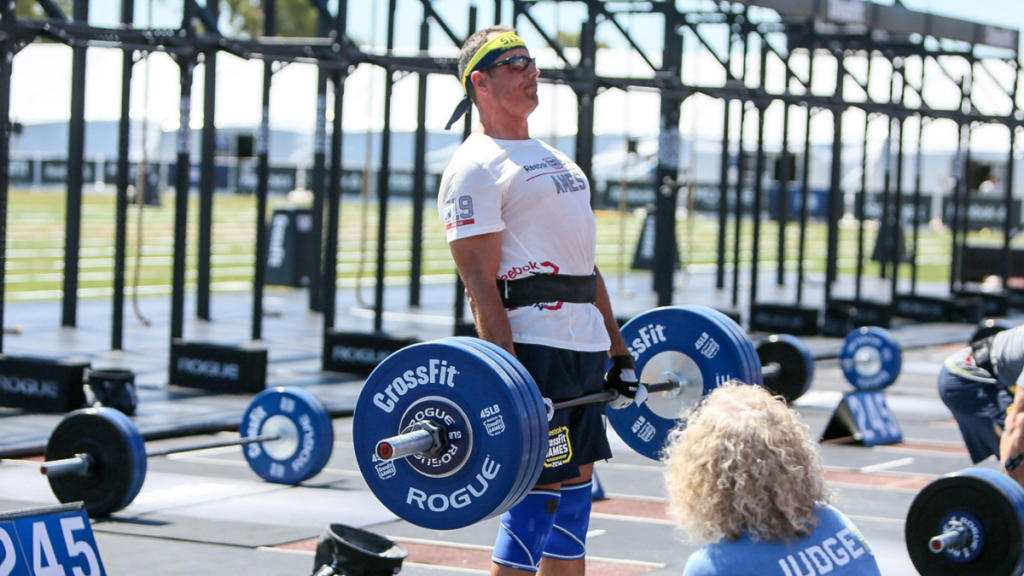
Add these training principles into your training.
1. Progressive Overload: The Foundation of Arm Growth
Progressive overload is the principle that muscles must be continually challenged to adapt and grow. Research indicates that increasing resistance, volume, or intensity over time leads to hypertrophy (Schoenfeld, 2010).


In arm training, this means gradually adding weight to exercises like barbell curls, increasing repetitions in triceps dips, or reducing rest periods. One study found that progressive overload led to significant increases in both muscle cross-sectional area and strength over an eight-week period (Mangine et al., 2015).
To apply this principle effectively, track your workouts, aim to add resistance each session, and ensure proper recovery to sustain long-term gains.
2. Volume and Frequency: The Right Balance for Arm Development
Muscle growth is highly dependent on training volume and frequency. A meta-analysis by Schoenfeld et al. (2019) found that training a muscle group twice per week resulted in greater hypertrophy than once per week.
The arms, being smaller muscle groups, recover quickly and can be trained 2-3 times weekly with moderate volume per session. Research suggests that a weekly volume of 10-20 sets per muscle group optimises hypertrophy (Krieger, 2010). Splitting volume across multiple sessions prevents excessive fatigue while maximising growth.
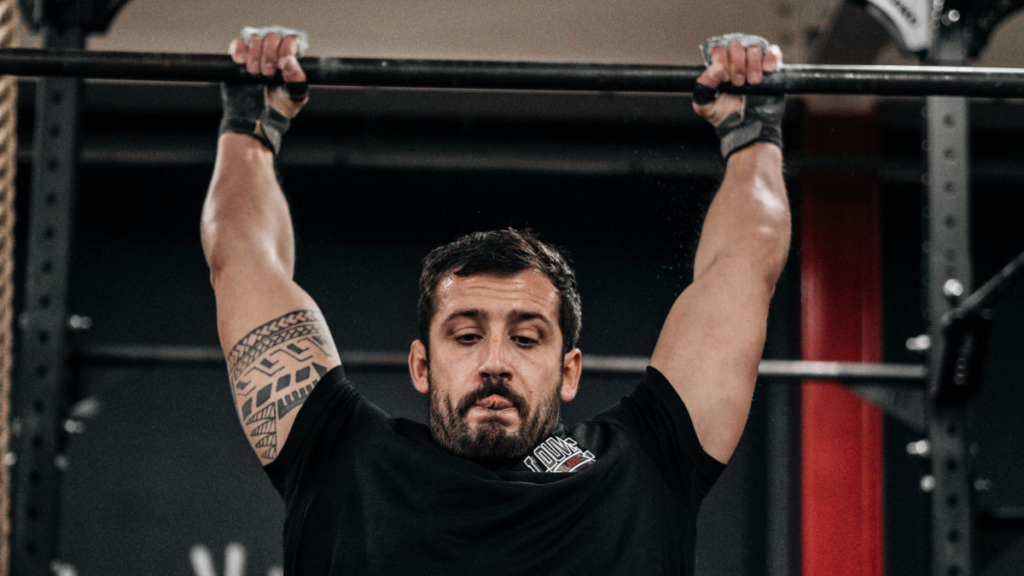
A practical approach is combining heavy compound movements like chin-ups and dips with isolation exercises such as biceps curls and triceps extensions.
3. Exercise Selection: Targeting All Aspects of the Arms
The biceps, triceps, and brachialis require different exercises for balanced growth. The biceps brachii, responsible for elbow flexion and supination, is best stimulated with exercises like barbell curls and incline dumbbell curls (Oliveira et al., 2009). The brachialis, which lies beneath the biceps, is heavily recruited in hammer curls (Staudenmann et al., 2010).
The triceps, consisting of three heads, need varied exercises to ensure full development. Research suggests that the long head is activated more in overhead movements (e.g., overhead triceps extensions), while the lateral and medial heads respond well to dips and close-grip bench presses (Ebben et al., 2008).
Using a variety of angles and grips ensures complete arm development.
4. Time Under Tension: Maximising Hypertrophy
Time under tension (TUT) refers to the duration muscles remain under strain during a set. Studies show that a controlled eccentric phase (lowering portion) of 2-4 seconds enhances hypertrophy more than rapid movements (Schoenfeld et al., 2014).
Slow eccentrics create greater muscle damage and metabolic stress, both critical for growth.

A study comparing slow vs. fast contractions found that slower tempos led to significantly greater muscle gains in trained subjects (Burd et al., 2012). To optimise arm training, incorporate tempos like 2:1:2 (eccentric: pause: concentric) in curls and extensions to increase muscular tension and metabolic fatigue.
5. Recovery and Nutrition: The Overlooked Growth Factors
Muscle growth occurs outside the gym, making recovery and nutrition essential. Protein intake is crucial, as research suggests consuming 1.6-2.2 g/kg of body weight per day maximises muscle protein synthesis (Morton et al., 2018).
Studies also highlight the importance of post-workout protein and carbohydrate consumption for recovery and glycogen replenishment (Jäger et al., 2017).
Sleep is another key factor, with evidence showing that inadequate rest reduces muscle recovery and performance (Dattilo et al., 2011). Implementing optimal recovery strategies—adequate sleep, proper nutrition, and sufficient rest days—ensures sustainable muscle growth and prevents overtraining.
Key Takeaways Table
| Principle | Key Takeaway |
|---|---|
| Progressive Overload | Gradually increase weight, reps, or intensity to promote muscle growth. |
| Volume & Frequency | Train arms 2-3 times per week with 10-20 sets per muscle group weekly. |
| Exercise Selection | Use varied exercises targeting all heads of the biceps, triceps, and brachialis. |
| Time Under Tension | Utilise slow eccentrics and controlled reps to maximise hypertrophy. |
| Recovery & Nutrition | Ensure adequate protein intake, sleep, and rest for optimal growth. |