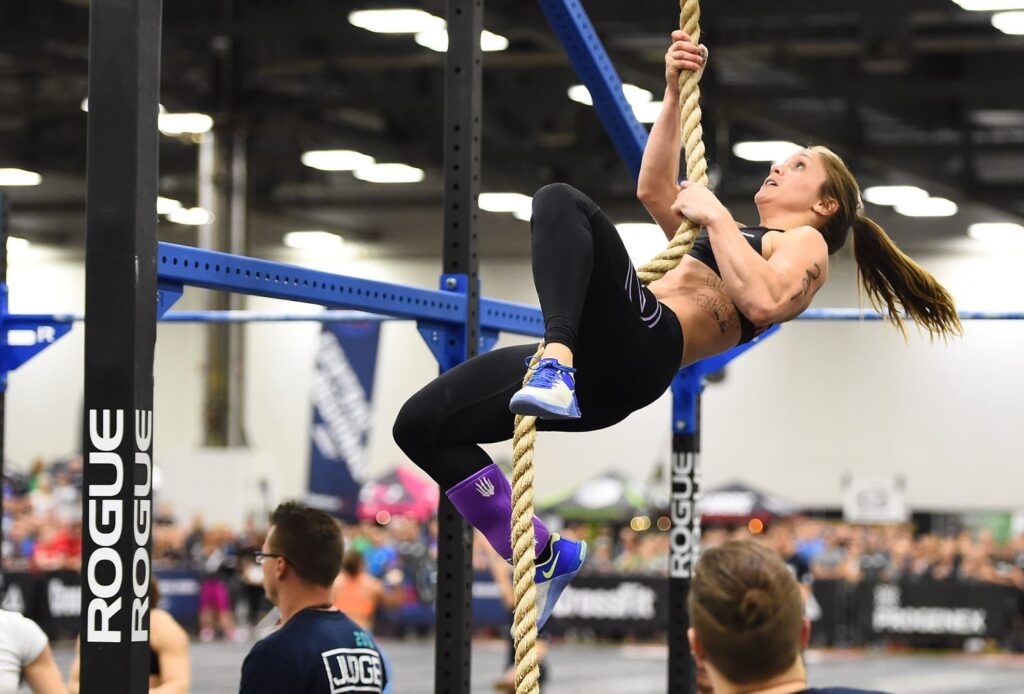
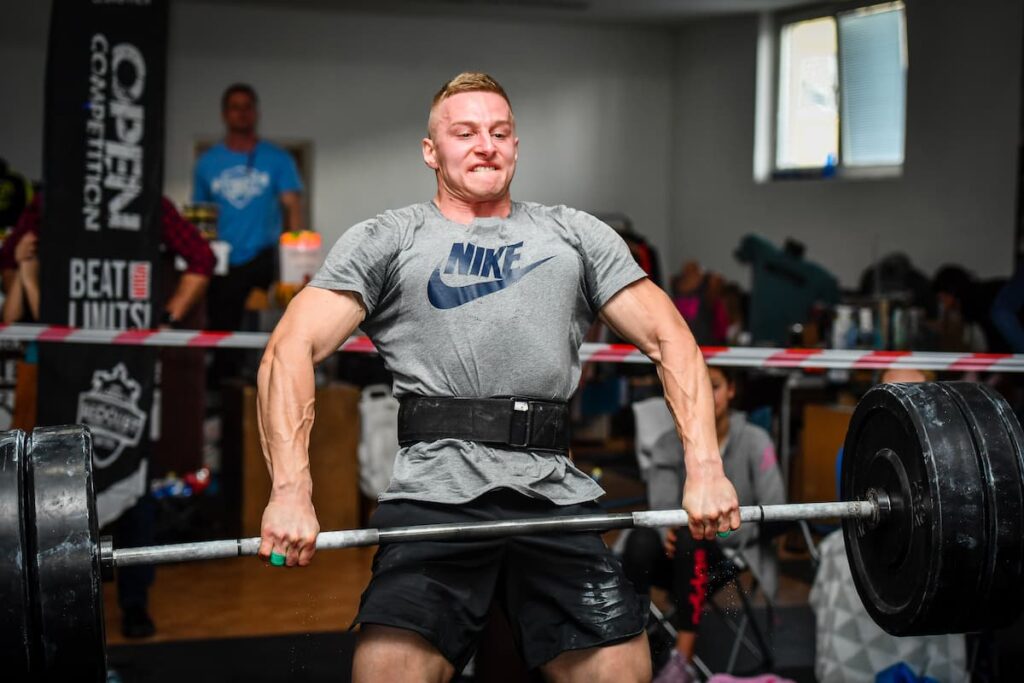
Coffee is one of the most widely consumed beverages in the world, known for its stimulating effects due to caffeine. In the realm of fitness, caffeine is often used as a pre-workout supplement to enhance performance.
But does drinking coffee before a workout actually improve performance? Scientific research strongly suggests that it does, with multiple mechanisms contributing to its ergogenic effects.


How Caffeine Affects the Body
Caffeine is a central nervous system stimulant that affects adenosine receptors in the brain. Adenosine is a neurotransmitter that promotes relaxation and sleepiness, but caffeine binds to its receptors, blocking these effects and leading to increased alertness and reduced perception of effort (Dömsey et al., 2022).
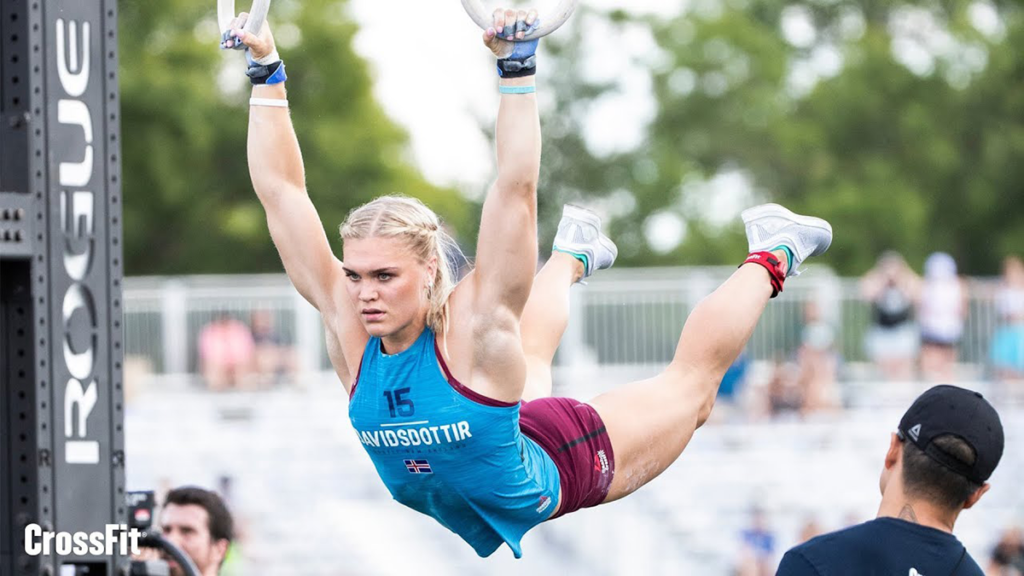
Caffeine also stimulates the release of catecholamines, such as adrenaline, which enhances cardiovascular output and improves muscle contractility (Spriet, 2014).
Improved Endurance and Aerobic Performance
Several studies have shown that caffeine ingestion before exercise enhances endurance. A meta-analysis by Grgic et al. (2020) found that caffeine significantly improves endurance performance by reducing perceived exertion and increasing time to exhaustion. This is especially beneficial for long-duration activities such as running, cycling, and swimming.
Enhanced Strength and Power Output
Caffeine has also been shown to enhance strength and power output. A study by Pallarés et al. (2019) observed that consuming caffeine before resistance training led to increased maximal voluntary contraction, greater muscle activation, and improved overall performance in compound lifts such as squats and bench presses.
These benefits stem from caffeine’s ability to increase neuromuscular efficiency and reduce muscle fatigue.
Increased Fat Oxidation and Metabolism
One of the lesser-known benefits of caffeine consumption before exercise is its impact on fat metabolism. Research suggests that caffeine increases fat oxidation, allowing the body to use stored fat as a primary fuel source (Acheson et al., 1980). This is particularly useful for endurance athletes and those aiming to reduce body fat while preserving muscle mass.
Improved Mental Focus and Reaction Time
Exercise performance is not solely dependent on physical factors; cognitive function also plays a crucial role. Caffeine has been shown to enhance mental focus, reaction time, and decision-making skills during exercise (Doherty & Smith, 2005). This is particularly beneficial for sports requiring rapid decision-making, such as football, basketball, and martial arts.
The Optimal Dosage of Caffeine for Performance
The effectiveness of caffeine as an ergogenic aid depends on the dosage consumed. Studies suggest that an optimal dose for performance enhancement ranges between 3-6 mg per kg of body weight (Spriet, 2014). For a person weighing 70 kg, this equates to approximately 210-420 mg of caffeine, which is roughly equivalent to 2-4 cups of coffee.
Timing of Coffee Consumption Before Exercise
The timing of caffeine intake is critical to maximising its effects. Research suggests that caffeine reaches peak blood levels within 30-60 minutes of ingestion (Graham, 2001). Therefore, consuming coffee approximately 30-45 minutes before exercise allows for optimal performance benefits.
Potential Downsides and Side Effects
While caffeine offers several performance benefits, excessive consumption can lead to negative side effects. These include increased heart rate, anxiety, gastrointestinal discomfort, and disrupted sleep patterns (Santos et al., 2018). Individuals sensitive to caffeine should start with lower doses to assess tolerance levels.

Does Coffee Work Better Than Caffeine Supplements?
Many athletes wonder whether coffee is as effective as pure caffeine supplements. Research by Hodgson et al. (2013) suggests that coffee and caffeine anhydrous provide similar performance benefits, but the variability in coffee’s caffeine content makes dosing less precise. However, coffee also contains polyphenols and antioxidants, which may offer additional health benefits beyond just caffeine intake.
Who Should Avoid Caffeine Before Exercise?
Not everyone responds well to caffeine before a workout. Those with hypertension, heart conditions, or caffeine sensitivity should exercise caution. Additionally, consuming caffeine too late in the day can interfere with sleep quality, negatively impacting recovery and performance (Drake et al., 2013).
Conclusion
Drinking coffee before a workout can significantly improve endurance, strength, fat oxidation, and mental focus. However, the benefits depend on proper dosing, timing, and individual tolerance. While caffeine is an effective ergogenic aid, those sensitive to its effects should moderate their intake to avoid adverse reactions. Overall, coffee is a natural and effective way to enhance physical and cognitive performance during exercise.
Key Takeaways
| Benefit | Explanation |
|---|---|
| Increased Endurance | Caffeine reduces perceived exertion and extends time to exhaustion (Grgic et al., 2020). |
| Enhanced Strength and Power | Boosts neuromuscular efficiency and muscle activation (Pallarés et al., 2019). |
| Improved Fat Oxidation | Increases fat metabolism, aiding in fat loss and endurance (Acheson et al., 1980). |
| Better Mental Focus | Enhances reaction time and decision-making (Doherty & Smith, 2005). |
| Optimal Dosage | 3-6 mg/kg body weight, taken 30-45 minutes before exercise (Spriet, 2014). |
| Potential Side Effects | Excessive intake may cause anxiety, insomnia, and gastrointestinal issues (Santos et al., 2018). |
Bibliography
Acheson, K. J., Gremaud, G., Meirim, I., Montigon, F., Krebs, Y., Fay, L. B., … & Tappy, L. (1980). ‘Metabolic effects of caffeine in humans: lipid oxidation or lipogenesis?’ American Journal of Clinical Nutrition, 33(5), pp. 989-997.
Doherty, M. and Smith, P. M. (2005). ‘Effects of caffeine ingestion on rating of perceived exertion during and after exercise: a meta-analysis.’ Scandinavian Journal of Medicine & Science in Sports, 15(2), pp. 69-78.
Dömsey, C., Grünberger, C., & Pfurtscheller, K. (2022). ‘Caffeine, adenosine, and cognitive function: New insights from neuroimaging studies.’ Neurobiology of Learning and Memory, 185, p. 107558.
Drake, C., Roehrs, T., Shambroom, J., & Roth, T. (2013). ‘Caffeine effects on sleep taken 0, 3, or 6 hours before going to bed.’ Journal of Clinical Sleep Medicine, 9(11), pp. 1195-1200.
Graham, T. E. (2001). ‘Caffeine and exercise: metabolism, endurance, and performance.’ Sports Medicine, 31(11), pp. 785-807.
Grgic, J., Trexler, E. T., Lazinica, B., & Pedisic, Z. (2020). ‘Effects of caffeine intake on endurance performance: A meta-analysis.’ Sports Medicine, 50(5), pp. 861-868.
Hodgson, A. B., Randell, R. K., & Jeukendrup, A. E. (2013). ‘The effect of coffee and caffeine anhydrous on endurance performance.’ International Journal of Sport Nutrition and Exercise Metabolism, 23(2), pp. 131-138.
Pallarés, J. G., Fernández-Elías, V. E., Ortega, J. F., Muñoz, G., Munoz-Guerra, J., & Mora-Rodriguez, R. (2019). ‘Neuromuscular responses to caffeine ingestion during resistance exercise.’ Medicine & Science in Sports & Exercise, 51(4), pp. 799-807.
Santos, C., Esteves, M., Tavares, F., & Costa, J. (2018). ‘Caffeine consumption and sleep disturbances: A systematic review.’ Sleep Medicine Reviews, 36, pp. 55-67.
Spriet, L. L. (2014). ‘Exercise and sport performance with low doses of caffeine.’ Sports Medicine, 44(2), pp. 175-184.