Meal preparation is one of the most effective strategies for achieving fat loss and muscle growth. Research shows that individuals who plan and prepare their meals in advance are more likely to maintain a healthy diet, control caloric intake, and meet their macronutrient targets (Foster et al., 2016).
By structuring your meals around whole, nutrient-dense foods and portioning them appropriately, you can optimise your body composition and performance.


1. Batch Cooking for Efficiency and Consistency
Why It Works
Batch cooking allows for better portion control, consistency in nutrient intake, and reduces reliance on processed foods, which can negatively impact muscle growth and fat loss. A study published in the International Journal of Behavioral Nutrition and Physical Activity found that individuals who spent more time on food preparation had healthier dietary habits and were less likely to consume ultra-processed foods (Mills et al., 2017).
How to Implement
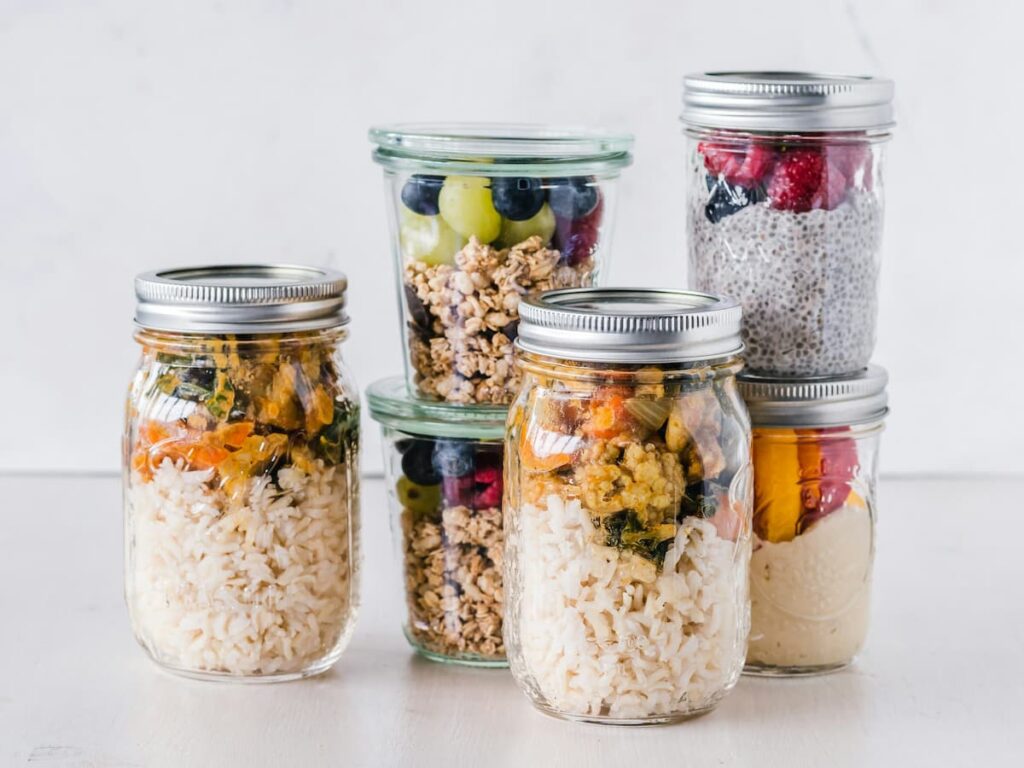
- Dedicate one or two days per week to cooking large portions of lean proteins, complex carbohydrates, and vegetables.- Use a slow cooker, oven, or grill to prepare multiple meals at once.- Store meals in portioned containers to make healthy eating more convenient.
2. Macronutrient-Based Meal Planning
Why It Works
To maximise fat loss and muscle growth, each meal should be structured around the right balance of macronutrients. Research suggests that higher protein intake contributes to greater fat loss and muscle retention, particularly in a calorie deficit (Phillips & Van Loon, 2011). Moreover, timing and proportioning carbohydrates and fats correctly can enhance performance and recovery.
How to Implement
- Aim for at least 1.6–2.2 grams of protein per kilogram of body weight daily (Morton et al., 2018).- Prioritise lean protein sources such as chicken, turkey, fish, and plant-based proteins.- Include complex carbohydrates such as quinoa, brown rice, and sweet potatoes to sustain energy levels.- Adjust fat intake with healthy sources like avocado, nuts, and olive oil to support hormone function.
3. Pre-Portioning Meals to Avoid Overeating
Why It Works
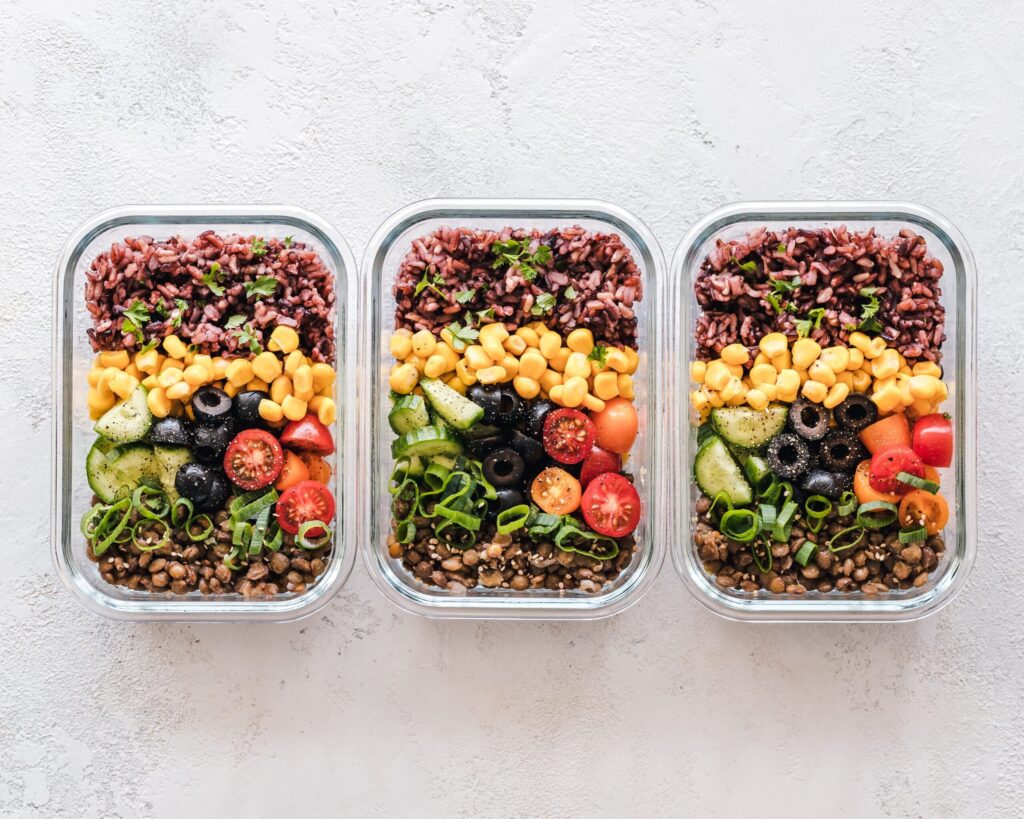
Pre-portioning meals reduces the likelihood of overeating, which is crucial for maintaining a caloric deficit for fat loss or avoiding excessive surplus during muscle gain. A study in the American Journal of Clinical Nutrition found that portion control strategies lead to significant reductions in energy intake and weight loss over time (Rolls et al., 2007).
How to Implement
- Use digital kitchen scales to measure portions accurately.- Store pre-portioned meals in containers for easy grab-and-go options.- Stick to predetermined meal sizes to prevent unconscious overeating.
4. Freezing and Storing Meals for Convenience

Why It Works
Freezing meals enhances consistency in dieting, prevents reliance on unhealthy options, and preserves the nutritional quality of foods. Research published in Food Chemistry highlights that frozen vegetables retain similar, if not higher, micronutrient levels compared to fresh vegetables due to reduced degradation during transport and storage (Rickman et al., 2007).
How to Implement
- Freeze protein portions separately from carbs and vegetables for customisable meals.- Use airtight containers or vacuum-sealed bags to prevent freezer burn.- Label meals with dates to track freshness and variety.
5. Strategic Meal Timing for Optimal Results
Why It Works
Meal timing can influence muscle protein synthesis, fat oxidation, and performance. The Journal of the International Society of Sports Nutrition states that consuming protein-rich meals every 3-4 hours supports muscle growth and recovery (Schoenfeld & Aragon, 2018). Additionally, carbohydrate intake pre- and post-workout can optimise energy levels and glycogen replenishment (Kerksick et al., 2008).
How to Implement
- Plan protein intake evenly throughout the day to maximise muscle protein synthesis.- Consume slow-digesting carbs before workouts for sustained energy.- Include post-workout meals with a mix of protein and fast-digesting carbs to accelerate recovery.
Conclusion
Effective meal prep strategies are essential for achieving fat loss and muscle growth. By batch cooking, planning meals around macronutrients, pre-portioning servings, freezing meals for convenience, and timing nutrition strategically, individuals can enhance dietary adherence and performance.
Key Takeaways:
| Hack | Benefit | Implementation |
|---|---|---|
| Batch Cooking | Saves time and ensures consistency | Cook large portions weekly and store meals in containers |
| Macronutrient Planning | Supports fat loss and muscle growth | Balance protein, carbs, and fats effectively |
| Pre-Portioning Meals | Prevents overeating and improves portion control | Measure and store meals in appropriate sizes |
| Freezing Meals | Enhances convenience and preserves nutrients | Store meals in airtight containers and label for tracking |
| Strategic Meal Timing | Optimises muscle recovery and energy levels | Space meals 3-4 hours apart and time carbs around workouts |