Building muscle requires a combination of progressive resistance training and adequate protein intake. However, the rising cost of food can make it difficult for many people to afford high-protein diets. Fortunately, there are several budget-friendly options that provide high-quality protein and essential nutrients to support muscle growth.
This article explores five cheap and protein-dense foods that can help you build muscle without breaking the bank.


Why Protein is Essential for Muscle Growth
Protein is composed of amino acids, which are necessary for muscle repair and growth. After resistance training, muscle fibres undergo microscopic damage that requires protein to rebuild and grow stronger.
Research suggests that consuming 1.6 to 2.2 grams of protein per kilogram of body weight per day is optimal for muscle hypertrophy (Morton et al., 2018). High-protein foods also support satiety, metabolism, and overall muscle function, making them indispensable for anyone looking to gain muscle.
1. Eggs
Eggs are one of the most affordable and nutrient-dense protein sources. A single large egg contains approximately 6 grams of protein and all nine essential amino acids, making it a complete protein source (USDA, 2023). Eggs are also rich in vitamins and minerals, such as vitamin B12, which plays a crucial role in energy production and red blood cell formation.

Additionally, research indicates that dietary cholesterol in eggs does not negatively impact blood cholesterol levels in healthy individuals (Fernandez, 2012). Given their cost-effectiveness and high bioavailability, eggs are an excellent option for muscle-building on a budget.
2. Canned Tuna
Canned tuna is a low-cost, high-protein food that provides approximately 25 grams of protein per 100-gram serving (USDA, 2023). It is also a rich source of omega-3 fatty acids, which have been shown to enhance muscle protein synthesis and reduce muscle breakdown (Smith et al., 2011).
Additionally, omega-3 fatty acids possess anti-inflammatory properties that can improve recovery and overall exercise performance. While mercury content is a concern with some seafood, consuming canned light tuna in moderation is considered safe and beneficial for muscle growth.
3. Lentils
Lentils are an inexpensive plant-based protein source that provides around 9 grams of protein per 100-gram serving (USDA, 2023). They are also high in fibre, which aids digestion and promotes satiety.
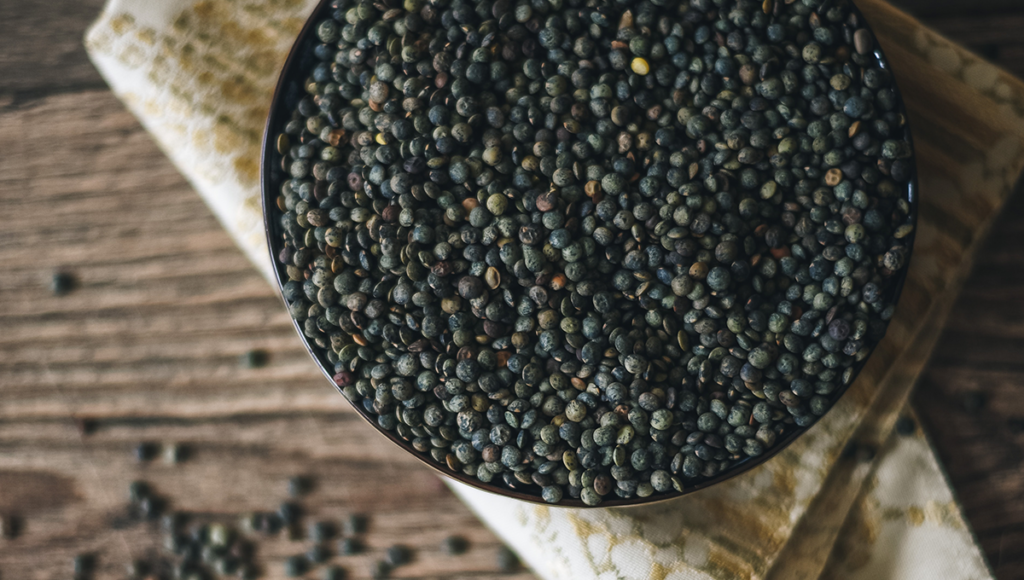
Research has shown that plant-based protein can be just as effective as animal-based protein for muscle building when consumed in adequate amounts (Babault et al., 2015). Lentils also contain iron and magnesium, both of which are essential for energy production and muscle function. Their affordability and long shelf life make them an ideal protein source for those on a budget.
4. Cottage Cheese
Cottage cheese is a dairy product that offers a high amount of casein protein, a slow-digesting protein that helps maintain muscle protein synthesis overnight (Res et al., 2012). A 100-gram serving contains approximately 11 grams of protein (USDA, 2023). It is also rich in calcium, which supports bone health and muscle contractions.
Studies suggest that consuming casein before bed can improve muscle recovery and prevent muscle breakdown (Snijders et al., 2015). Given its affordability and muscle-building benefits, cottage cheese is an excellent addition to a budget-friendly diet.
5. Chicken Thighs
While chicken breast is a popular lean protein source, chicken thighs are often cheaper and just as effective for muscle building. A 100-gram serving of chicken thigh contains around 24 grams of protein (USDA, 2023).
Although they have a slightly higher fat content compared to chicken breast, this fat can be beneficial for hormone production and overall energy balance. Additionally, chicken thighs are rich in essential nutrients such as zinc and vitamin B6, which support immune function and protein metabolism (Sharma et al., 2013). Cooking chicken thighs in bulk can provide a cost-effective way to meet daily protein requirements.
Key Takeaways
| Food | Protein Content (Per 100g) | Benefits |
|---|---|---|
| Eggs | 6g | Complete protein source, rich in vitamins and minerals |
| Canned Tuna | 25g | High in omega-3s, supports muscle recovery |
| Lentils | 9g | Affordable plant-based protein, high in fibre and iron |
| Cottage Cheese | 11g | Slow-digesting casein protein, supports overnight recovery |
| Chicken Thighs | 24g | Cost-effective high-protein meat, rich in essential nutrients |
By incorporating these five high-protein foods into your diet, you can build muscle effectively while staying within your budget. These options provide essential amino acids, vitamins, and minerals necessary for muscle growth, recovery, and overall health.
Bibliography
Babault, N. et al. (2015) ‘Pea proteins oral supplementation promotes muscle thickness gains during resistance training: a double-blind, randomized, placebo-controlled clinical trial vs. Whey protein’, Journal of the International Society of Sports Nutrition, 12(1), pp. 1-10.
Fernandez, M. L. (2012) ‘Effects of eggs on plasma lipoproteins in healthy populations’, Food & Function, 3(2), pp. 173-187.
Morton, R. W. et al. (2018) ‘A systematic review, meta-analysis and meta-regression of the effect of protein supplementation on resistance training-induced gains in muscle mass and strength in healthy adults’, British Journal of Sports Medicine, 52(6), pp. 376-384.
Res, P. T. et al. (2012) ‘Casein protein ingestion before sleep improves post-exercise overnight recovery’, Medicine & Science in Sports & Exercise, 44(8), pp. 1560-1569.
Sharma, L. et al. (2013) ‘Zinc: The immune system and muscle health’, Current Opinion in Clinical Nutrition and Metabolic Care, 16(6), pp. 703-707.
Smith, G. I. et al. (2011) ‘Fish oil-derived n-3 PUFA therapy increases muscle protein synthesis in older adults’, American Journal of Clinical Nutrition, 93(2), pp. 402-412.
Snijders, T. et al. (2015) ‘The concept of muscle memory: resistance training changes in muscle protein synthesis and breakdown and in strength and hypertrophy after detraining and retraining’, Sports Medicine, 45(7), pp. 1023-1032.