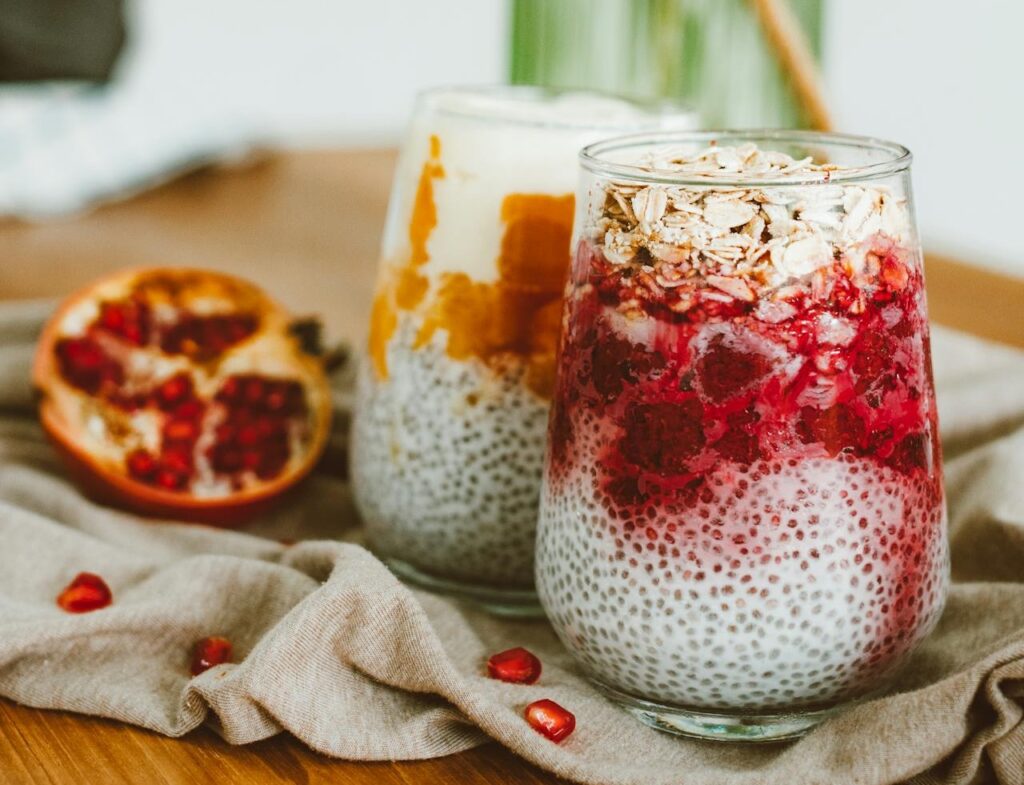
When we think of high-energy foods, staples like bananas, oats, or nuts often come to mind. However, there are some surprising foods that pack an incredible punch of energy while offering unique nutritional benefits.
Whether you’re gearing up for a workout, battling mid-afternoon fatigue, or simply trying to maintain consistent energy levels throughout the day, these foods deserve a spot on your plate.


1. Beets: A Natural Nitric Oxide Booster
Beets are not often thought of as a high-energy food, but their effects on endurance and energy levels are remarkable. Beets are rich in dietary nitrates, which the body converts into nitric oxide. Nitric oxide helps improve blood flow by dilating blood vessels, allowing oxygen and nutrients to reach working muscles more efficiently. This mechanism has been shown to enhance physical performance and delay fatigue during exercise.

A study published in the Journal of Applied Physiology found that consuming beet juice significantly improved time-to-exhaustion during exercise by approximately 16% (Bailey et al., 2009). Additionally, beets are a rich source of antioxidants, including betalains, which reduce inflammation and oxidative stress, contributing to overall vitality.
Incorporate beets into your diet as a pre-workout meal or a midday snack. They can be consumed raw, roasted, or as a juice for maximum energy benefits.
2. Chia Seeds: Ancient Energy Fuel
Chia seeds, once a staple of the Aztec and Mayan diets, are a surprising source of sustained energy. These tiny seeds are packed with omega-3 fatty acids, protein, and fibre, which slow digestion and provide a steady release of energy. They also absorb up to 12 times their weight in water, helping to keep the body hydrated, which is crucial for maintaining energy levels.
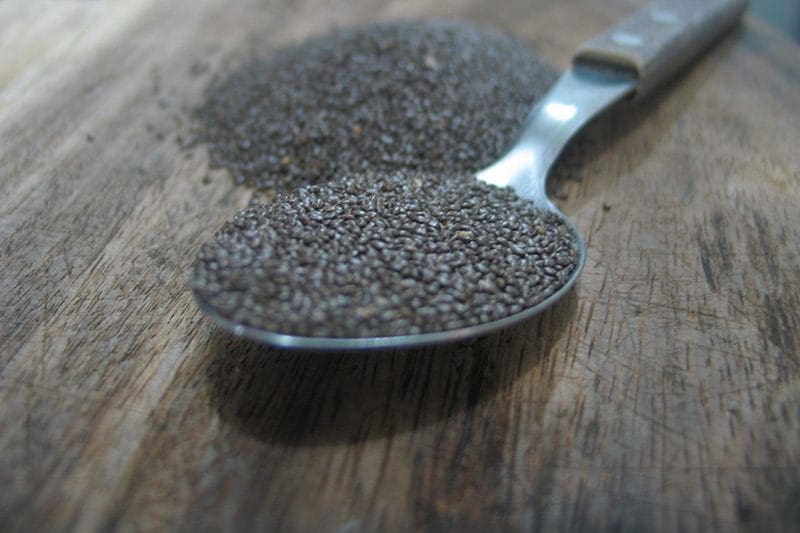
Research published in the Journal of Strength and Conditioning Research demonstrated that chia seeds could enhance endurance when consumed in conjunction with carbohydrates, providing a comparable boost to traditional sports drinks (Illian et al., 2011). Furthermore, their high magnesium content supports muscle function and energy production, making them a great choice for athletes and active individuals.
Add chia seeds to smoothies, yoghurt, or oatmeal for an easy and energy-boosting addition to your meals.
3. Dark Chocolate: The Unexpected Energiser
Dark chocolate may seem like an indulgence rather than an energy-boosting food, but high-quality dark chocolate is packed with beneficial compounds that can revitalise both the body and mind. Cocoa contains theobromine, a compound similar to caffeine, which provides a mild and sustained energy boost without the jitters. Additionally, dark chocolate is rich in flavonoids, antioxidants that improve blood flow to the brain and muscles.
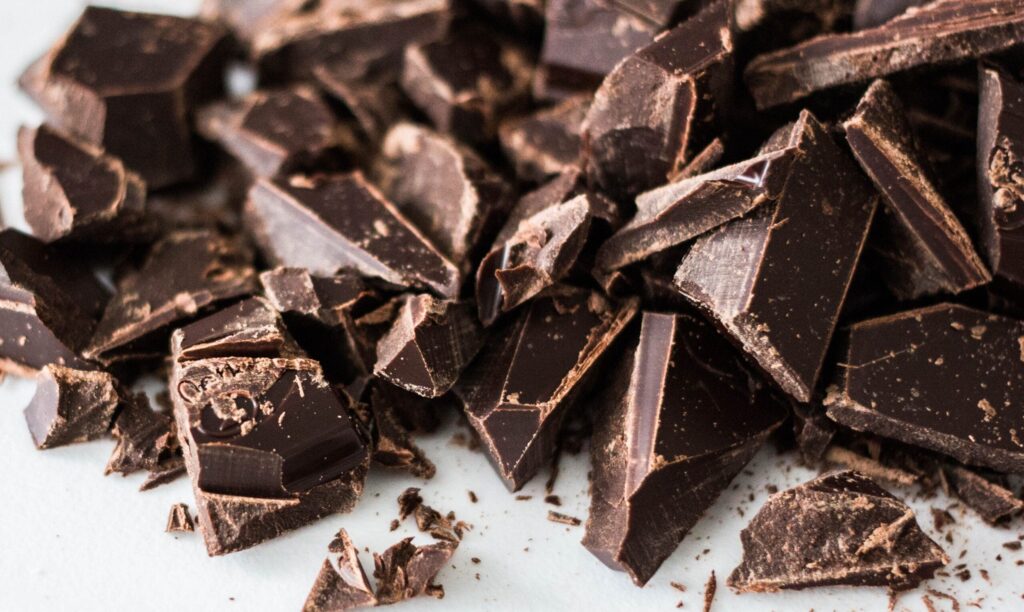
A study in the Journal of Nutrition revealed that consuming dark chocolate improved cognitive performance and reduced mental fatigue, thanks to its ability to enhance blood flow (Scholey et al., 2010). Moreover, dark chocolate contains magnesium and iron, two minerals vital for energy production and oxygen transport in the body.
Choose dark chocolate with at least 70% cocoa content and enjoy it in moderation as a pre-workout snack or a quick pick-me-up during the day.
4. Quinoa: The Complete Protein Grain
Quinoa, often mistaken for a grain, is a seed packed with all nine essential amino acids, making it a complete protein. This makes quinoa an exceptional energy food, particularly for vegetarians and vegans. Quinoa is also rich in complex carbohydrates, which provide a slow and steady release of energy, and contains magnesium, iron, and B vitamins, all critical for energy metabolism.
Research in the Journal of the Science of Food and Agriculture found that quinoa’s nutrient composition supports physical performance by enhancing energy availability and reducing muscle fatigue (Navruz-Varli & Sanlier, 2016). Its high fibre content also stabilises blood sugar levels, preventing energy crashes.
Use quinoa as a base for salads, pair it with roasted vegetables, or substitute it for rice in your meals to take advantage of its energy-enhancing properties.
5. Spirulina: A Nutritional Powerhouse
Spirulina, a type of blue-green algae, is one of the most nutrient-dense foods on the planet. It is packed with protein (containing all essential amino acids), B vitamins, iron, and antioxidants, making it a remarkable energy booster. Spirulina’s high protein content helps stabilise blood sugar levels, preventing energy dips, while its iron content supports oxygen transport to muscles and tissues.
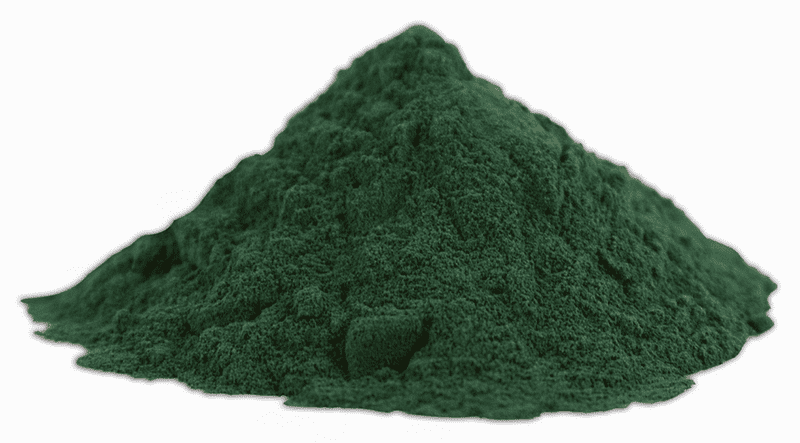
A study in the European Journal of Applied Physiology found that spirulina supplementation improved exercise performance and fat oxidation while reducing fatigue (Kalafati et al., 2010). Additionally, spirulina contains phycocyanin, an antioxidant that reduces inflammation and oxidative stress, further supporting overall energy levels.
Spirulina is commonly consumed in powdered form and can be added to smoothies, juices, or energy bars for a quick and effective energy boost.
Key Takeaways
| Food | Energy-Boosting Benefits |
|---|---|
| Beets | Enhances blood flow and endurance through nitric oxide production. Rich in antioxidants that reduce inflammation. |
| Chia Seeds | Provides sustained energy with protein, fibre, and omega-3 fatty acids. Helps with hydration and muscle function. |
| Dark Chocolate | Offers a mild energy boost from theobromine and improves cognitive performance with flavonoids. Supports oxygen transport. |
| Quinoa | Supplies complete protein and complex carbohydrates for steady energy. Rich in magnesium and iron for muscle function. |
| Spirulina | Packed with protein, B vitamins, and antioxidants. Enhances exercise performance and reduces fatigue. |
Conclusion
These five foods may not always top the list of traditional energy sources, but their unique nutritional profiles make them exceptional choices for boosting physical and mental energy. Incorporating these into your daily diet can provide lasting benefits, whether you’re tackling a workout or simply looking to power through your day.
References
- Bailey, S.J., Winyard, P.G., Vanhatalo, A., Blackwell, J.R., Dimenna, F.J., Wilkerson, D.P., Tarr, J., Benjamin, N. and Jones, A.M., 2009. Dietary nitrate supplementation reduces the O2 cost of low-intensity exercise and enhances tolerance to high-intensity exercise in humans. Journal of Applied Physiology, 107(4), pp.1144-1155.
- Illian, T.G., Casey, J.C. and Bishop, P.A., 2011. A comparison of carbohydrate and carbohydrate–chia feeding during endurance exercise on perceived exertion and mood. Journal of Strength and Conditioning Research, 25(1), pp.61-65.
- Kalafati, M., Jamurtas, A.Z., Nikolaidis, M.G., Paschalis, V., Theodorou, A.A., Sakellariou, G.K., Koutedakis, Y. and Kouretas, D., 2010. Ergogenic and antioxidant effects of spirulina supplementation in humans. European Journal of Applied Physiology, 108(3), pp.435-445.
- Navruz-Varli, S. and Sanlier, N., 2016. Nutritional and health benefits of quinoa (Chenopodium quinoa Willd.). Journal of the Science of Food and Agriculture, 96(2), pp.171-178.
- Scholey, A.B., Owen, L., Stough, C. and Downey, L.A., 2010. The acute cognitive and mood effects of cocoa flavanols in humans: a review. Journal of Nutrition, 140(6), pp.1361-1367.