Building bigger arms is a common goal for many lifters, yet the traditional approach often centres around isolation exercises like bicep curls or tricep pushdowns. While these movements can be effective, they are not essential for arm development.
In fact, focusing on compound lifts can often yield superior results due to their ability to recruit more muscle fibres, allow for heavier loads, and stimulate hormonal responses that promote hypertrophy. This article explores three scientifically supported methods to grow bigger arms without relying on isolation exercises.


1. Prioritise Heavy Compound Lifts That Engage the Arms
Why Compound Lifts Work
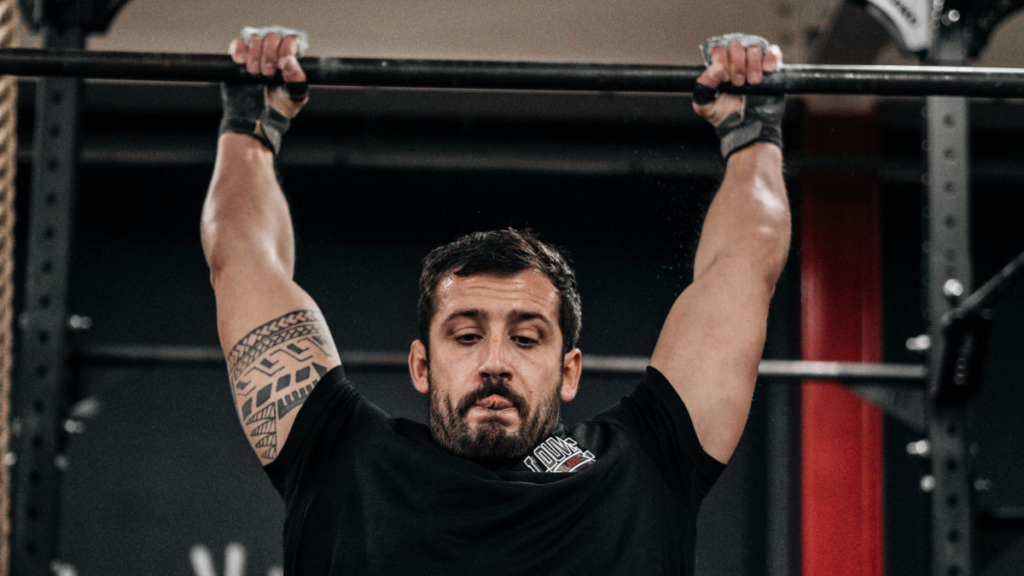
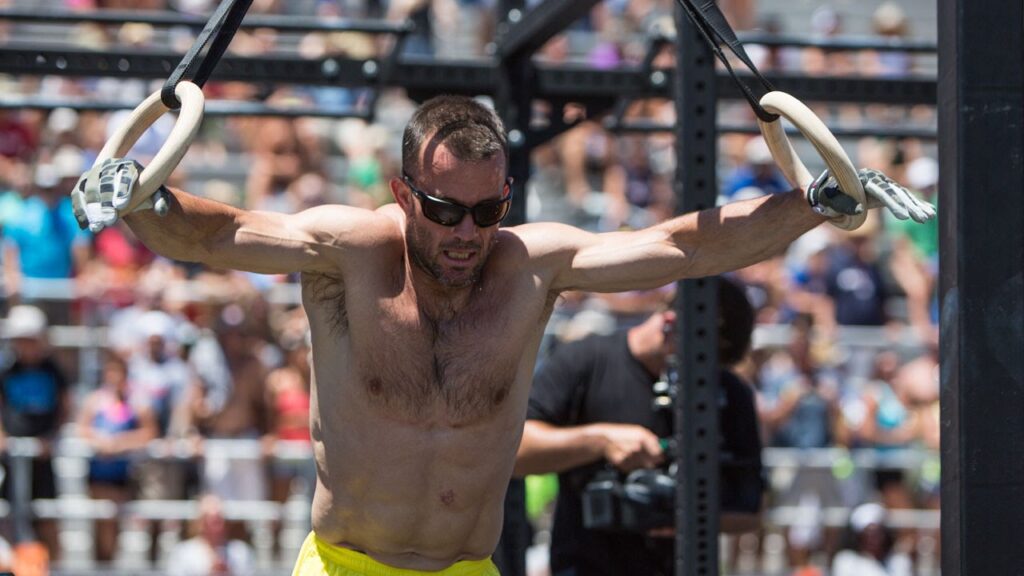
Compound movements such as the bench press, pull-up, row, overhead press, and deadlift involve multiple joints and muscle groups. These exercises not only target the primary movers but also significantly recruit the biceps, triceps, and forearms as secondary stabilisers and force transmitters. For example, during a pull-up, the biceps brachii, brachialis, and brachioradialis are heavily involved in elbow flexion (Youdas et al., 2010). Similarly, pressing movements like the bench press and overhead press require the triceps to extend the elbow (Saeterbakken et al., 2020).
Load and Mechanical Tension
Heavy compound lifts allow for greater mechanical tension, which is a primary driver of muscle hypertrophy (Schoenfeld, 2010). By lifting heavier loads, the arms are subjected to higher levels of stress compared to isolation movements, which are typically limited by the smaller muscle groups they target. For example, during a weighted chin-up, the biceps are under more tension than during a standard dumbbell curl due to the total body load being lifted.
Training Frequency and Volume
To optimise arm development through compound movements, it is crucial to ensure adequate frequency and volume. Performing pulling and pushing exercises 2–3 times per week with a focus on progressive overload has been shown to stimulate hypertrophy effectively (Grgic et al., 2018). Including vertical pulls (chin-ups, pull-ups), horizontal pulls (barbell rows, inverted rows), horizontal presses (bench press, push-ups), and vertical presses (overhead press) ensures comprehensive activation of the arm musculature.
2. Maximise Eccentric Loading in Compound Movements
The Role of Eccentric Contractions
Eccentric contractions, where the muscle lengthens under tension, have been shown to produce greater hypertrophy than concentric contractions (Roig et al., 2009). This is due to increased muscle damage, higher mechanical tension per motor unit, and distinct neural activation patterns. During compound exercises, the eccentric phase can be strategically emphasised to enhance arm development without isolating the muscles.
Practical Application
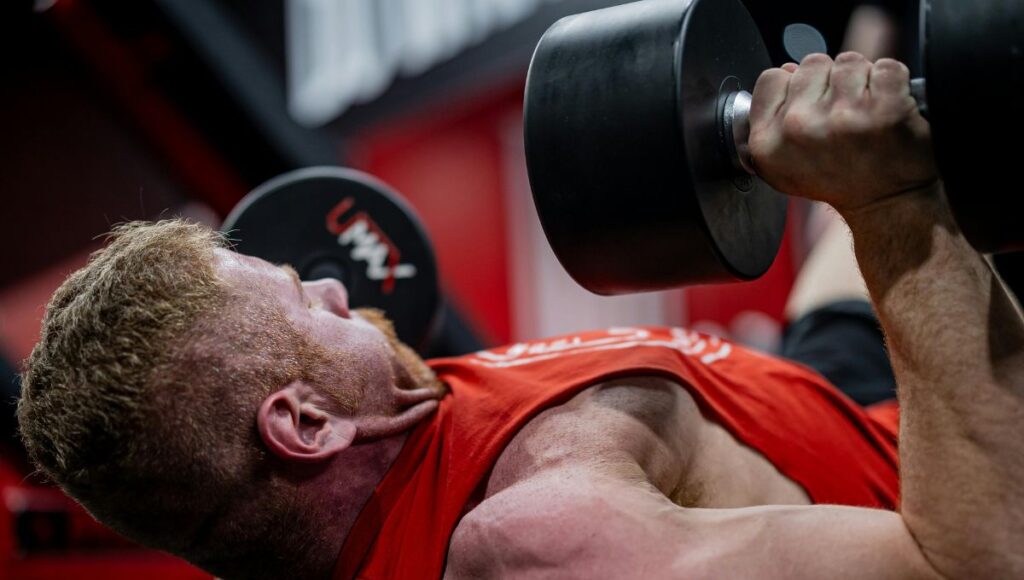
To incorporate eccentric overload, consider using tempo training. For instance, lower yourself over 3–5 seconds during the descent of a pull-up or bench press. This technique increases time under tension and maximises the involvement of the biceps and triceps. Alternatively, negative-only reps can be used where the lifter focuses solely on the eccentric phase with added resistance or partner assistance during the concentric portion.
Evidence-Based Insights
Research indicates that eccentric training leads to increased muscle cross-sectional area, including in the upper arms (Douglas et al., 2017). Additionally, eccentric contractions produce higher levels of muscle damage and protein synthesis, which are vital for muscle growth (Franchi et al., 2017). For example, when comparing eccentric-focused pull-ups versus regular pull-ups, participants experienced greater bicep hypertrophy in the eccentric group (Shepstone et al., 2005).
3. Utilise Close-Grip and Underhand Variations of Compound Lifts
Targeted Muscle Recruitment
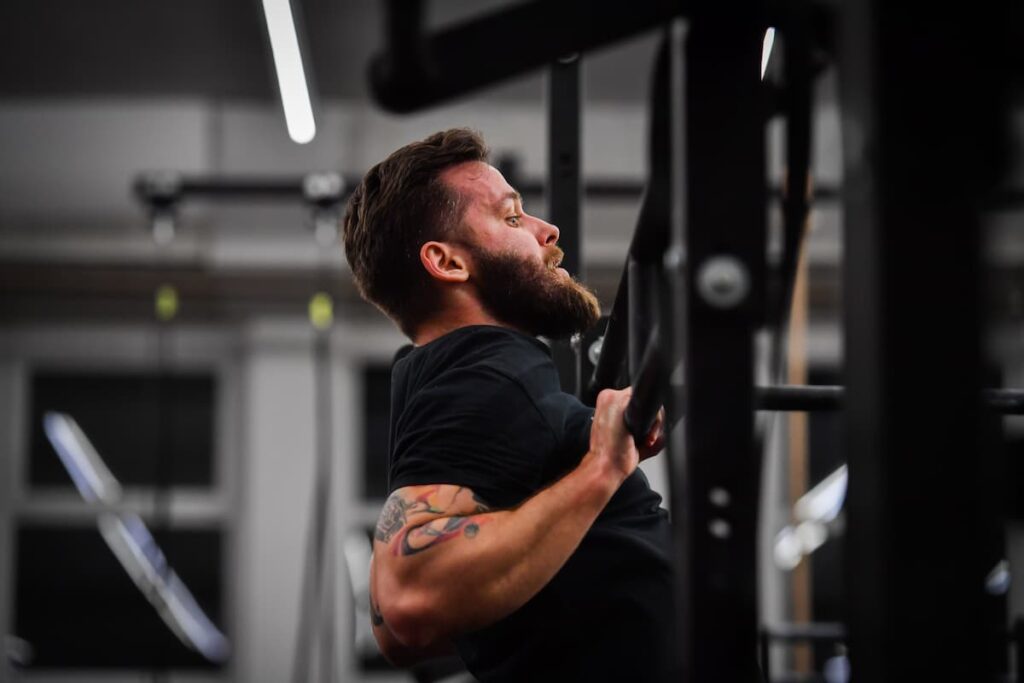
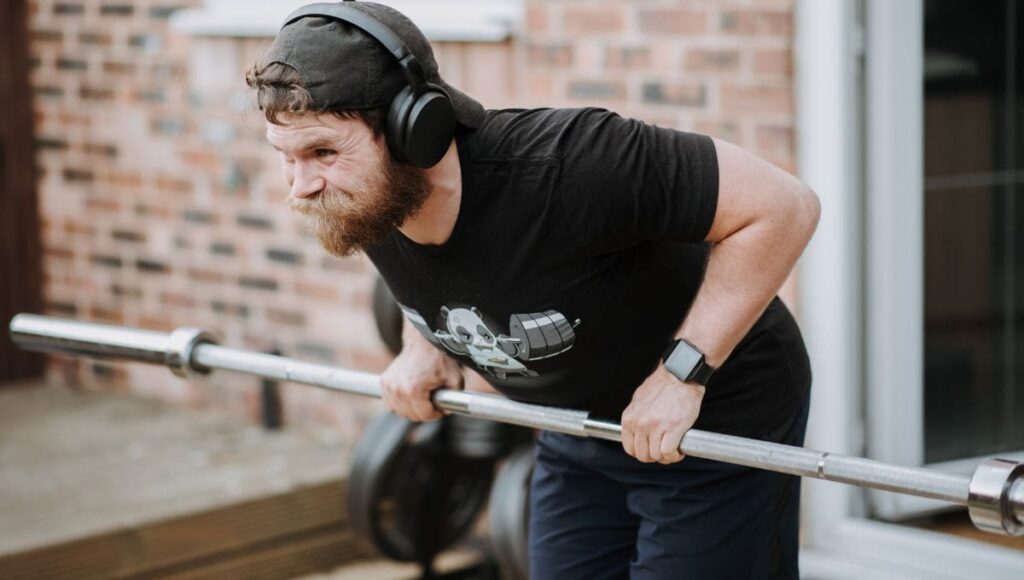
Changing the grip in compound lifts can significantly alter the muscle activation pattern. Close-grip and underhand variations increase the recruitment of the biceps and triceps compared to standard grips. For example, a close-grip bench press shifts more of the workload from the pectorals to the triceps (Lehman, 2005). Similarly, underhand barbell rows (supinated grip) increase bicep involvement due to the position of the forearm and the nature of elbow flexion.
Optimising Arm Growth
Incorporating these grip variations can increase the stimulus on the arms without resorting to direct isolation. For triceps, the close-grip bench press, dips, and push-ups with a narrow hand placement are effective. For biceps, exercises like chin-ups (underhand grip), inverted rows with a supinated grip, and barbell rows with a close grip provide substantial loading.
Scientific Backing
Electromyographic (EMG) studies have shown that grip width and orientation significantly affect muscle activation. For instance, Saeterbakken et al. (2020) found that close-grip bench presses produce higher triceps activation than wider grips. Additionally, research by Signorile et al. (2002) supports that underhand rowing variations lead to greater biceps brachii activation compared to overhand grips. Such adjustments allow athletes to bias arm development during standard compound lifts.
Conclusion
Building bigger arms without isolation exercises is not only possible but can be highly effective when compound lifts are programmed intelligently. Prioritising multi-joint movements, manipulating tempo to emphasise eccentrics, and adjusting grip positions provide robust mechanical and neuromuscular stimuli to the biceps and triceps. These strategies, supported by scientific literature, ensure that lifters can develop muscular, well-proportioned arms while also improving overall strength and movement efficiency.
Bibliography
Douglas, J., Pearson, S., Ross, A. and McGuigan, M., 2017. Chronic adaptations to eccentric training: a systematic review. Sports Medicine, 47(5), pp.917-941.
Franchi, M.V., Reeves, N.D. and Narici, M.V., 2017. Skeletal muscle remodeling in response to eccentric vs. concentric loading: morphological, molecular, and metabolic adaptations. Frontiers in Physiology, 8, p.447.
Grgic, J., Schoenfeld, B.J., Orazem, J. and Sabol, F., 2018. Effects of resistance training frequency on measures of muscle hypertrophy: a systematic review and meta-analysis. Sports Medicine, 48(5), pp.1207-1220.
Lehman, G.J., 2005. The influence of grip width and forearm pronation/supination on upper-body myoelectric activity during the flat bench press. Journal of Strength and Conditioning Research, 19(3), pp.587-591.
Roig, M., O’Brien, K., Kirk, G., Murray, R., McKinnon, P., Shadgan, B. and Reid, W.D., 2009. The effects of eccentric versus concentric resistance training on muscle strength and mass in healthy adults: a systematic review with meta-analysis. British Journal of Sports Medicine, 43(8), pp.556-568.
Saeterbakken, A.H., Mo, D.A., Scott, S. and Andersen, V., 2020. The effects of bench press variations in competitive athletes on muscle activity and performance. Journal of Human Kinetics, 72(1), pp.215-223.
Schoenfeld, B.J., 2010. The mechanisms of muscle hypertrophy and their application to resistance training. Journal of Strength and Conditioning Research, 24(10), pp.2857-2872.
Shepstone, T.N., Tang, J.E., Dallaire, S., Schuenke, M.D., Staron, R.S. and Phillips, S.M., 2005. Short-term high- vs. low-volume resistance training in the human vastus lateralis muscle. Muscle & Nerve, 33(3), pp.463-470.
Signorile, J.F., Zink, A.J. and Szwed, S., 2002. A comparative electromyographical investigation of muscle utilization patterns using various hand positions during the lat pull-down. Journal of Strength and Conditioning Research, 16(4), pp.539-546.
Youdas, J.W., Amundson, C.L., Cicero, K.S., Hahn, J.J., Harezlak, D.T. and Hollman, J.H., 2010. Surface electromyographic analysis of core trunk, hip, and thigh muscles during 2 traditional trunk exercises. Journal of Strength and Conditioning Research, 24(3), pp.587-596.