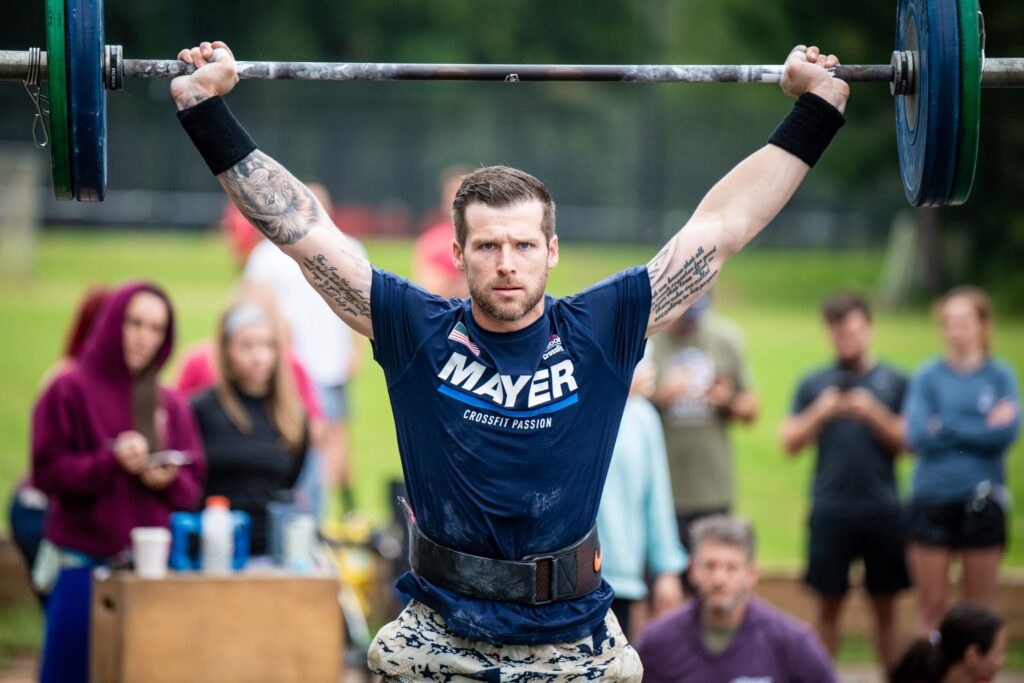
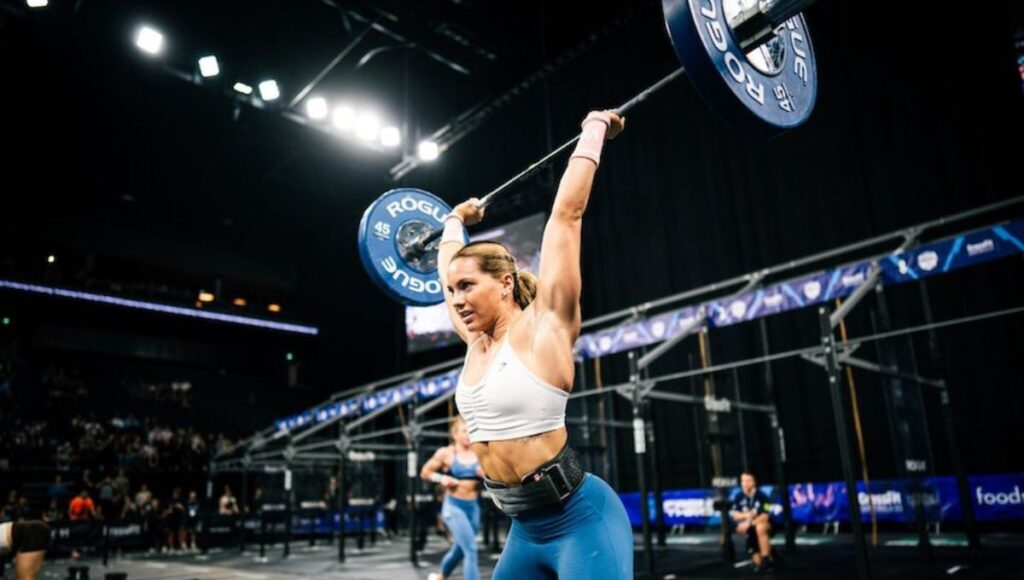
When it comes to resistance training, the choice between barbells and dumbbells is fundamental. Both tools are essential in strength training and hypertrophy programs, yet their specific benefits and limitations raise the question: which is better for muscle growth?
This article offers an evidence-based analysis comparing barbell and dumbbell training across multiple factors influencing hypertrophy: mechanical tension, muscle activation, load capacity, range of motion, muscular imbalances, and practicality.


Mechanical Tension and Load Capacity
Mechanical tension is widely regarded as one of the primary drivers of muscle hypertrophy. According to Schoenfeld (2010), maximal tension is achieved when muscles contract under heavy loads, particularly in stretched positions. Barbells generally allow for the heaviest loads to be lifted, which makes them highly effective for generating mechanical tension. Compound barbell lifts like the squat, bench press, and deadlift enable lifters to load their muscles with maximal weights, often exceeding what could be handled with dumbbells.
Dumbbells, while versatile, are typically limited by the user’s ability to stabilize the weight. This additional demand on stabilizing muscles reduces the maximum load that can be lifted compared to a barbell. A 2010 study by Saeterbakken et al. found that muscle activation in stabilizing muscles was higher during dumbbell bench presses compared to barbell presses, but the total load lifted was lower, indicating reduced mechanical tension on prime movers.
Therefore, from the standpoint of mechanical tension and maximal load, barbells offer a superior stimulus for hypertrophy, particularly in advanced lifters.
Muscle Activation and Range of Motion
While barbells may be superior for loading, dumbbells excel in muscle activation through increased range of motion (ROM). A study by Pinto et al. (2012) demonstrated that a greater ROM during resistance training exercises resulted in more significant hypertrophy, particularly in the stretched portion of the movement. Dumbbells naturally allow for a more extensive ROM, especially in pressing and rowing movements.
For instance, during a dumbbell bench press, the weights can travel lower than the chest, stretching the pectoral muscles more than a barbell would permit. Similarly, dumbbell rows allow for a more pronounced contraction and stretch in the lats. This full ROM enhances muscle fiber recruitment and microtrauma, which are critical for muscle growth.
Thus, although dumbbells may not allow for maximal loading, their capacity for improved ROM can stimulate hypertrophy effectively, especially when training unilaterally or focusing on lagging muscle groups.
Stabilization and Neuromuscular Activation
Dumbbell training requires greater stabilization than barbell training, which increases neuromuscular activation. This demand can enhance motor unit recruitment and coordination, especially in less experienced lifters. Saeterbakken and Fimland (2013) found that dumbbell bench pressing resulted in significantly greater EMG activation of the anterior deltoid and triceps compared to barbell pressing due to the additional stabilization required.
While this benefit may not translate into superior hypertrophy for advanced trainees, it provides value for novices developing foundational strength and muscle control. Additionally, the increased stabilization requirements can also improve joint health and proprioception over time, contributing indirectly to more effective hypertrophy training.
Muscle Imbalances and Symmetry
Dumbbells are superior for addressing muscular imbalances. Because each arm works independently, they reveal and correct discrepancies in strength and muscle mass between limbs. Barbell exercises allow the dominant side to compensate, potentially reinforcing asymmetries.
A 2018 study by Reece and McNaughton showed that unilateral dumbbell work improved muscular balance and reduced the risk of injury by promoting equal loading. This is particularly important in bodybuilding and athletic training, where symmetry is critical.

In contrast, while barbells may exacerbate imbalances if not properly monitored, they remain effective for bilateral strength development once symmetry is established.
Practical Considerations and Safety
Barbells allow for quicker load adjustments, making them ideal for progressive overload, drop sets, and other hypertrophy techniques. Their use in racks also improves safety during failure, especially for heavy compound lifts. In contrast, dumbbells can be difficult to maneuver into position at high loads and are more challenging to spot, increasing the risk of injury.
Moreover, gym setups often include heavier barbells than dumbbells, limiting progression for stronger individuals. For example, many gyms cap dumbbells at 100 lbs per hand, which may be insufficient for exercises like chest press or Romanian deadlifts in advanced trainees.
However, dumbbells are more accessible for home training, require less space, and offer more exercise variety, especially for isolation movements. Their portability and versatility make them ideal for full-body hypertrophy programs in minimal equipment environments.
Exercise Specificity and Program Design
Barbells are generally more effective for foundational movements like squats, deadlifts, and overhead presses due to their load potential and movement efficiency. These compound lifts form the backbone of most hypertrophy and strength programs. Compound barbell exercises also produce greater systemic stress, which has been linked to increased anabolic hormone release, although the long-term relevance of this to hypertrophy is debated (West et al., 2009).
Dumbbells shine in accessory work and exercises requiring unilateral loading or varied movement planes. They offer freedom of movement that reduces joint stress and allows individualized biomechanics, making them suitable for lifters with mobility restrictions or injury history.
For hypertrophy, the optimal program combines both tools. A meta-analysis by Schoenfeld et al. (2016) concluded that training with a variety of exercises and loading schemes maximizes muscle growth. Integrating barbells for heavy compound lifts and dumbbells for isolation and unilateral work is the most evidence-based approach.
The Role of Effort and Proximity to Failure
Regardless of equipment, proximity to muscular failure is a key determinant of hypertrophy. Research by Schoenfeld et al. (2015) and Morton et al. (2016) found that training close to failure with moderate-to-high reps led to similar hypertrophy outcomes as heavy-load training, provided total volume and intensity were matched.
This suggests that while barbells allow for heavier loads and mechanical tension, dumbbells can still produce significant muscle growth when used with sufficient volume and effort. Therefore, lifters should focus less on the tool and more on execution and progression.
Conclusion
Both barbells and dumbbells offer distinct advantages for muscle growth. Barbells are superior for maximizing mechanical tension, progressive overload, and systemic training stress. Dumbbells provide better range of motion, greater muscle activation in stabilizers, improved symmetry, and enhanced motor control.

The most effective hypertrophy programs will leverage both tools strategically: using barbells for foundational compound lifts and dumbbells for accessory, unilateral, and isolation movements. Rather than choosing one over the other, a balanced approach informed by individual goals, experience, and equipment access is key.
References
Morton, R.W., Oikawa, S.Y., Wavell, C.G., Mazara, N., McGlory, C., Quadrilatero, J., Baechle, T.R., Baker, S.K. and Phillips, S.M., 2016. Neither load nor systemic hormones determine resistance training-mediated hypertrophy or strength gains in resistance-trained young men. Journal of Applied Physiology, 121(1), pp.129-138.
Pinto, R.S., Gomes, N., Radaelli, R., Botton, C.E., Brown, L.E. and Bottaro, M., 2012. Effect of range of motion on muscle strength and thickness. Journal of Strength and Conditioning Research, 26(8), pp.2140-2145.
Reece, J.D. and McNaughton, L., 2018. The impact of unilateral and bilateral resistance training on strength, performance, and injury risk. Journal of Sports Science and Medicine, 17(1), pp.157-164.
Saeterbakken, A.H. and Fimland, M.S., 2013. Muscle force output and electromyographic activity in squats with various unstable surfaces. Journal of Strength and Conditioning Research, 27(1), pp.130-136.
Schoenfeld, B.J., 2010. The mechanisms of muscle hypertrophy and their application to resistance training. Journal of Strength and Conditioning Research, 24(10), pp.2857-2872.
Schoenfeld, B.J., Ogborn, D. and Krieger, J.W., 2016. Effects of resistance training frequency on measures of muscle hypertrophy: a systematic review and meta-analysis. Sports Medicine, 46, pp.1689-1697.
Schoenfeld, B.J., Peterson, M.D., Ogborn, D., Contreras, B. and Sonmez, G.T., 2015. Effects of low- vs. high-load resistance training on muscle strength and hypertrophy in well-trained men. Journal of Strength and Conditioning Research, 29(10), pp.2954-2963.
West, D.W., Burd, N.A., Staples, A.W., and Phillips, S.M., 2009. Human exercise-mediated skeletal muscle hypertrophy is an intrinsic process. International Journal of Biochemistry & Cell Biology, 41(10), pp.2109-2113.