Scapular pull-ups are often overlooked in the typical workout routine, but they are one of the most effective exercises for strengthening the shoulders, improving shoulder stability, and preventing injuries.
This article will explore three key ways in which scapular pull-ups can bulletproof your shoulders, backed by scientific research and biomechanical principles.


What Are Scapular Pull-Ups?
Before diving into the benefits, it’s essential to understand what scapular pull-ups are. Unlike traditional pull-ups that engage the entire upper body, scapular pull-ups isolate the scapulae, or shoulder blades.
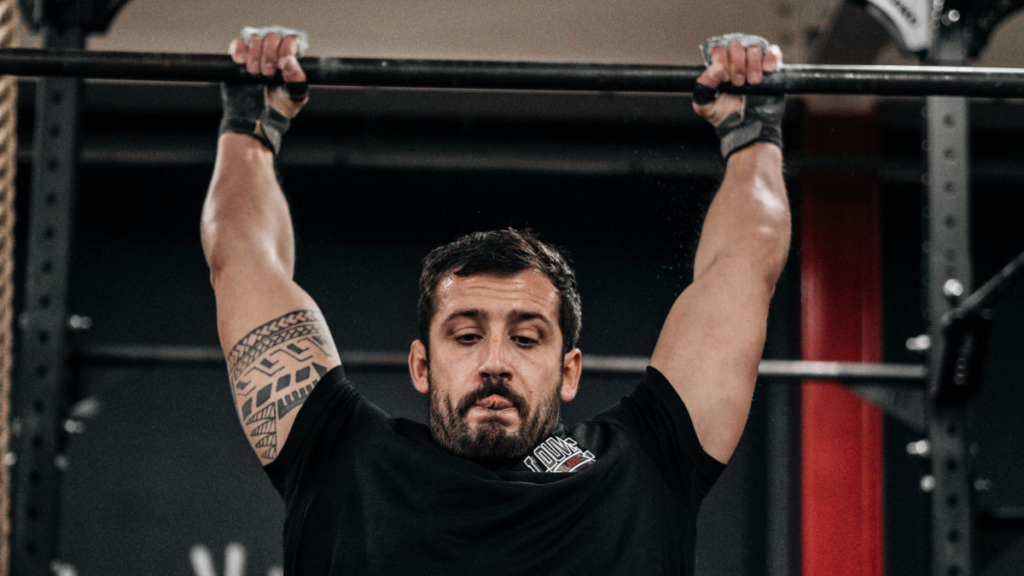
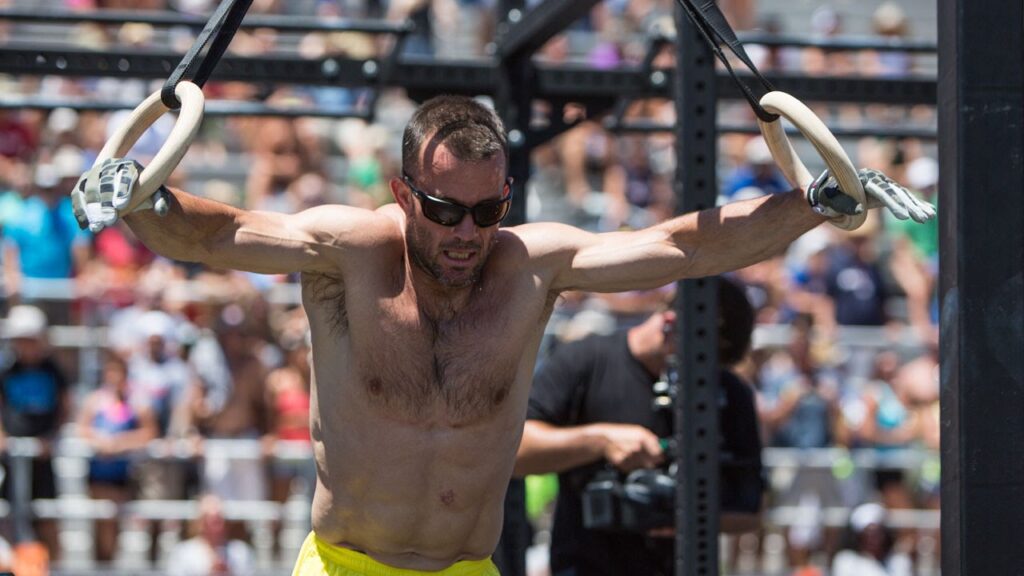
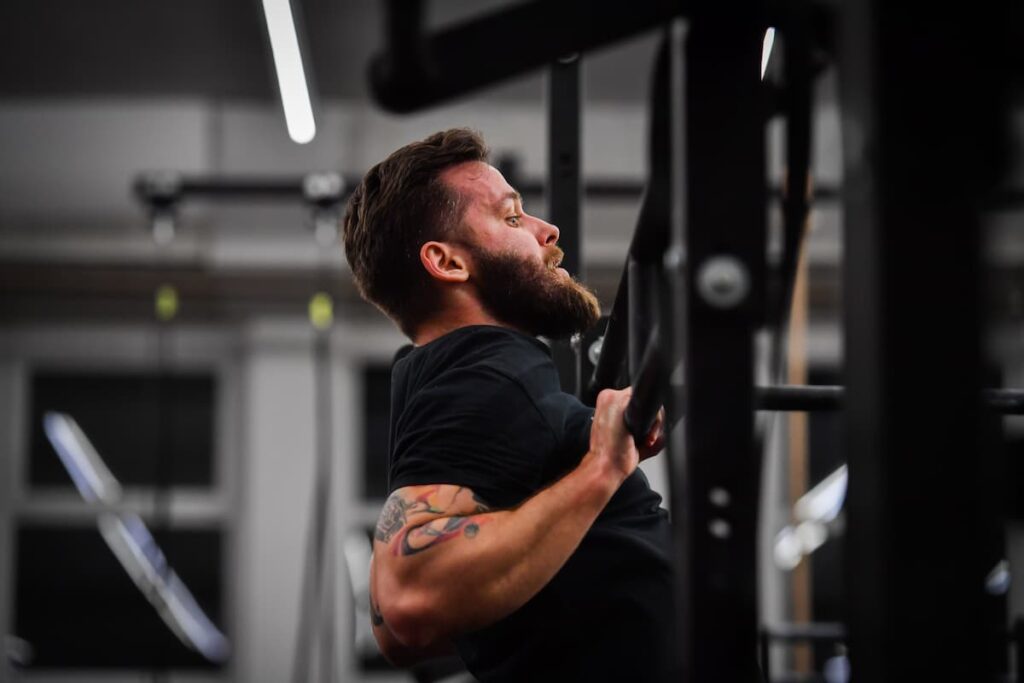
The exercise involves hanging from a pull-up bar with an overhand grip and performing a small, controlled movement by pulling your shoulder blades down and together. This motion activates the lower trapezius, rhomboids, and other stabilising muscles around the scapulae without involving the biceps or lats to a significant degree.
How to Perform Scapular Pull-Ups
- Grip the Bar: Hang from a pull-up bar with your hands shoulder-width apart, palms facing away from you.
- Engage Your Core: Keep your body straight and engage your core muscles.
- Depress the Scapulae: Without bending your elbows, pull your shoulder blades down and together, lifting your body slightly.
- Hold and Release: Hold the contraction for a second, then slowly release back to the starting position.
Now, let’s delve into the three primary benefits of scapular pull-ups and how they contribute to bulletproofing your shoulders.
1. Enhanced Shoulder Stability
Shoulder stability is crucial for athletes, weightlifters, and anyone engaged in upper body training. The scapula plays a central role in shoulder stability, acting as the foundation for arm movements. Scapular pull-ups target the muscles responsible for maintaining this stability, particularly the lower trapezius, rhomboids, and serratus anterior.
The Role of Scapular Muscles in Stability
The shoulder joint, or glenohumeral joint, is a ball-and-socket joint that allows for a wide range of motion but is inherently unstable. Stability is provided by the surrounding muscles, ligaments, and tendons. The scapular muscles, especially the lower trapezius and serratus anterior, help stabilise the scapula against the thoracic wall, ensuring the shoulder joint remains centred and functions optimally during movement.
Research by Kibler et al. (2013) emphasises the importance of scapular stabilisation in preventing shoulder injuries. The study highlights that scapular dyskinesis (abnormal scapular movement) is a common factor in shoulder pain and dysfunction, particularly in athletes . By strengthening the scapular stabilisers through exercises like scapular pull-ups, you can enhance shoulder stability and reduce the risk of injuries such as rotator cuff tears and impingement syndrome.
Preventing Common Shoulder Injuries
Scapular pull-ups specifically target the lower trapezius, a muscle often underdeveloped in people with shoulder issues. A weak lower trapezius can lead to over-reliance on the upper trapezius and pectoral muscles, contributing to muscle imbalances and poor scapular mechanics. This imbalance can result in shoulder impingement, where the tendons of the rotator cuff are pinched during arm elevation.
A study by Cools et al. (2007) found that strengthening the lower trapezius and serratus anterior can improve scapular motion and reduce the risk of shoulder impingement . By incorporating scapular pull-ups into your routine, you target these critical stabilisers, promoting balanced muscle development and optimal shoulder mechanics.
2. Improved Posture and Shoulder Alignment
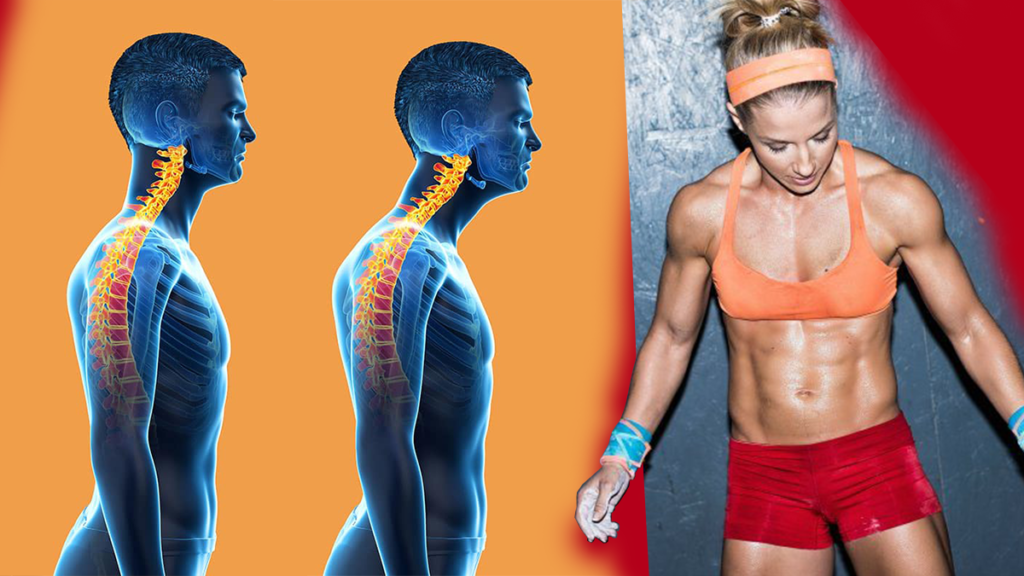
Modern lifestyles often involve long hours of sitting, hunching over computers or smartphones, leading to poor posture and rounded shoulders. This posture not only affects your appearance but also puts undue stress on the shoulder joints, increasing the risk of injury.
Scapular Pull-Ups and Postural Correction
Scapular pull-ups can counteract the effects of poor posture by strengthening the muscles that retract and depress the scapulae. These muscles, including the rhomboids and lower trapezius, pull the shoulder blades back and down, encouraging proper alignment of the shoulders and thoracic spine.

A study conducted by Kebaetse, McClure, and Pratt (1999) investigated the effects of scapular muscle strengthening on posture. The research found that exercises targeting the scapular stabilisers significantly improved posture in participants with forward head posture and rounded shoulders . Regularly performing scapular pull-ups can thus contribute to better posture, reducing the strain on the shoulder joints and surrounding muscles.
Reducing Shoulder Pain Linked to Poor Posture
Poor posture is often associated with shoulder pain, particularly in the upper trapezius and levator scapulae muscles. These muscles become overactive and tight when the shoulders are rounded, leading to tension headaches and chronic pain. Strengthening the lower trapezius and rhomboids through scapular pull-ups helps to offset this imbalance by promoting scapular depression and retraction, reducing the overactivity of the upper trapezius.
Scapular pull-ups also engage the serratus anterior, which plays a critical role in upward scapular rotation during arm elevation. Weakness in the serratus anterior can lead to winged scapula, a condition where the shoulder blade protrudes outward during movement, compromising shoulder function and increasing injury risk.
A systematic review by Struyf et al. (2014) supports the notion that targeted exercises for the scapular stabilisers, including the serratus anterior, can alleviate shoulder pain and improve function . Incorporating scapular pull-ups into your routine can thus not only improve your posture but also mitigate shoulder pain related to postural issues.
3. Increased Shoulder Strength and Mobility
While traditional pull-ups primarily focus on building upper body strength, scapular pull-ups are more specialised, targeting the smaller, stabilising muscles around the shoulder. This focus on stabilisers contributes to overall shoulder strength and mobility, which is essential for both athletic performance and daily activities.
Strengthening the Rotator Cuff
The rotator cuff is a group of four muscles—supraspinatus, infraspinatus, teres minor, and subscapularis—that stabilise the shoulder joint and allow for various arm movements. Weakness in any of these muscles can lead to instability and increase the risk of tears, especially in activities that involve overhead movements.
Scapular pull-ups indirectly strengthen the rotator cuff by enhancing the stability of the scapula, providing a stable base for rotator cuff muscles to function. A stable scapula ensures that the rotator cuff muscles are not overworked during arm movements, reducing the risk of overuse injuries.
A study by Escamilla et al. (2009) demonstrated that exercises targeting the scapular stabilisers, like scapular pull-ups, improve the overall function of the shoulder complex and reduce the incidence of rotator cuff injuries . Regularly practising scapular pull-ups can thus lead to stronger, more resilient rotator cuff muscles, essential for shoulder health.
Enhancing Shoulder Mobility
Shoulder mobility is often compromised due to tight muscles, poor posture, or previous injuries. Scapular pull-ups help improve shoulder mobility by promoting proper scapular movement, which is necessary for full range of motion in the shoulder joint.
During arm elevation, the scapula must rotate upward, tilt posteriorly, and externally rotate to maintain the congruence of the humeral head in the glenoid fossa. Scapular pull-ups reinforce these movements by strengthening the muscles responsible for scapular rotation and positioning, such as the serratus anterior and lower trapezius.
Research by Ludewig and Cook (2000) highlights the importance of scapular kinematics in maintaining shoulder mobility and preventing impingement . The study found that exercises improving scapular motion, like scapular pull-ups, enhance shoulder mobility and reduce the likelihood of impingement, particularly in overhead athletes.
Integrating Scapular Pull-Ups into Your Routine
To fully reap the benefits of scapular pull-ups, it’s crucial to integrate them into your regular training regimen. Here’s how you can do it effectively:
Warm-Up with Scapular Pull-Ups
Start your upper body workout with scapular pull-ups to activate the scapular stabilisers. Perform 2–3 sets of 8–12 repetitions, focusing on controlled movements and proper form.
Pair with Traditional Pull-Ups
After performing scapular pull-ups, you can move on to traditional pull-ups or other compound movements. The pre-activation of the scapular stabilisers will enhance your performance in these exercises by providing a stable base for your lats and biceps to work.
Use as a Corrective Exercise
If you have shoulder pain or postural issues, scapular pull-ups can be used as a corrective exercise. Perform them at the beginning and end of your workout to reinforce proper scapular mechanics and improve shoulder function.
Conclusion
Scapular pull-ups are a highly effective exercise for bulletproofing your shoulders by enhancing stability, improving posture, and increasing strength and mobility. Backed by scientific research, this simple yet powerful movement can help prevent common shoulder injuries and improve overall shoulder health. Whether you’re an athlete, weightlifter, or simply looking to improve your shoulder function, incorporating scapular pull-ups into your routine is a smart choice.
Key Takeaways
| Benefit | Explanation |
|---|---|
| Enhanced Shoulder Stability | Scapular pull-ups strengthen the scapular stabilisers, reducing the risk of shoulder injuries like rotator cuff tears and impingement. |
| Improved Posture and Alignment | Regular practice corrects poor posture by strengthening muscles that retract and depress the scapulae, alleviating shoulder pain linked to bad posture. |
| Increased Strength and Mobility | This exercise improves shoulder strength and mobility by targeting stabilising muscles, enhancing rotator cuff function and preventing impingement. |
Bibliography
- Cools, A.M., Dewitte, V., Lanszweert, F., Notebaert, D., Roets, A., Soetens, B., Cagnie, B. and Cambier, D., 2007. Rehabilitation of scapular muscle balance: which exercises to prescribe?. American Journal of Sports Medicine, 35(10), pp.1744-1751.
- Escamilla, R.F., Yamashiro, K., Paulos, L. and Andrews, J.R., 2009. Shoulder muscle activity and function in common shoulder rehabilitation exercises. Sports Medicine, 39(8), pp.663-685.
- Kibler, W.B., Sciascia, A. and Wilkes, T., 2013. Scapular dyskinesis and its relation to shoulder pain. Journal of the American Academy of Orthopaedic Surgeons, 21(6), pp.364-372.
- Kebaetse, M., McClure, P. and Pratt, N.A., 1999. Thoracic position effect on shoulder range of motion, strength, and three-dimensional scapular kinematics. Archives of Physical Medicine and Rehabilitation, 80(8), pp.945-950.
- Ludewig, P.M. and Cook, T.M., 2000. Alterations in shoulder kinematics and associated muscle activity in people with symptoms of shoulder impingement. Physical Therapy, 80(3), pp.276-291.
- Struyf, F., Nijs, J., De Coninck, K., Giunta, M., Mottram, S. and Meeusen, R., 2014. Clinical assessment of scapular positioning in musicians: an intertester reliability study. Journal of Athletic Training, 49(5), pp.517-523.