Once again, the hot topic subject in the health and wellness world is weight loss and the methods by which individuals are successful. It has become easier than ever to take medication to help with rapid weight loss and many people have taken to this method in recent years, which has led to significant and exponential growth in GLP-1 medication use. While medication had become an option for some, the old-fashioned diet and exercise approach is still something that is desired by many.
The food we eat, drinks we consume, and calories we take in daily all contribute to an energy balance equation. The food that goes into the body is 100 percent of the total caloric intake. To lose weight, there absolutely needs to be a negative calorie deficit, meaning you need to burn off more calories than what is going in (when your metabolism and physical activity are combined).



With that being said, if you consume 2000 calories each day and between your metabolism and exercise you do not meet this intake, then weight gain is surely going to happen. In contrast, if the metabolism and exercise is above your caloric intake, then weight loss will occur.
Can you Exercise Away a Bad Diet?
A common phrase that people make is: “I had a large breakfast, so I need to burn it off on the treadmill later on,” or similar. Burning off excess after having a bad meal can really make matters more challenging and may not overcome the overall dietary habit.
Exercise accounts for up to 30 percent of total weight loss, which means the majority of what is accomplished is from diet. If you have a cheat meal that’s one thing, but be mindful that exercise cannot overcome a poor diet.
What is the Big Deal About Low-Fat Diets?
For starters, a low-fat diet means there is far less fat being consumed than the alternative. Dietary fat can have healthy perks, but for the most part fats contribute to poor health all over. All fats that we consume contain nine calories per gram, making this more than double the amount of energy when compared to carbohydrates or protein.
In addition, fats have unlimited storage capacity, which means the overindulgence can continue to grow for as long as needed. When it comes to weight loss, most would steer towards a low-fat diet for overall health perks and efficiency.
What is the Big Deal About Low Calorie Diets?
Low calorie diets are the basis of any weight loss program. To lose weight, a caloric deficit must be met which means some caloric restriction must occur. This type of dieting pattern can and should include a low-fat option, but some chose to avoid food groups (such as cutting out carbohydrates).
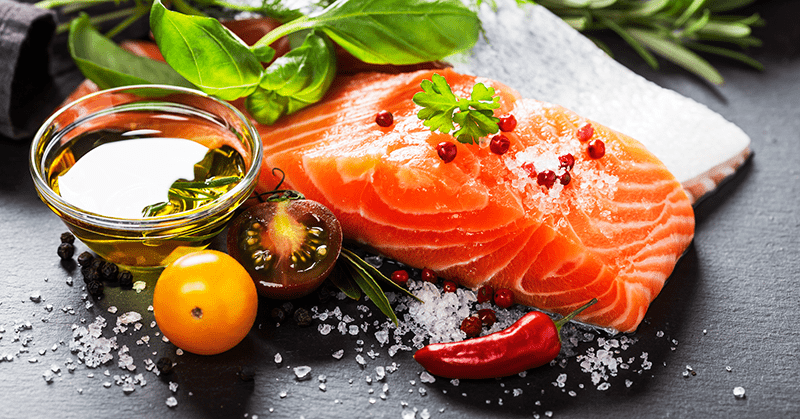
A low-calorie lifestyle has its drawbacks when compared to a low-fat option and people who restrict calories regularly, for weight loss, are not likely to be successful for the long-term. Also, a low-calorie diet may not be as nutrient-dense when compared to the counterpart as this option does not guarantee ample nutrients in each serving (think celery).
Do Alternative Dieting Techniques Work?
Let’s look at some alternative dieting techniques that have been on the radar in public health for some time now.
- Ketogenic Diet– This dieting option involves severe restriction from carbohydrate consumption and relies on ketone bodies for energy. The idea is that the body will naturally convert excess fat to carbohydrates to meet the energy needs of the body. While this option may have some success early on, the overall trend is that most people cannot sustain this diet for any long duration.
- Whole-Food Diet Pattern– Consuming a whole food diet consists of options that contain whole grains, fresh fruits, and little or no processing. While this pattern is more of a clean-eating option, randomized controlled trials show significant results in weight loss. This option only requires more time to prepare and cook food so this can be limiting for busy households, but effective.
- Intermittent Fasting– Intermittent fasting is a popular trend that is gaining traction. This dieting pattern involves durations of fasting, which allows for black coffee, tea, and water, and a short window in which to feed. The idea is that this can help to encourage caloric restriction without causing the body to feel malnourished and it typically is well-received.
The Verdict
Weight loss is often a trial-and-error practice that is difficult for many adults. In the age of weight loss medication and the desire to have quick results, losing weight the traditional way can be challenging for many. Low fat diets are typically healthier and are easy to adhere to long-term, but are not as efficient as low-calorie diets.
For this discussion, a low-calorie diet seems to the best option for weight loss and it can still incorporate low-fat options. Performing a bit of trial and error with any weight loss journey is ok to help find out a solution, but also finding a reasonable option to keep for a lifetime is valuable as well
References
- Watanabe, J.H., Kwon, J., Nan, B. & Reikes, A. (2024). Trends in glucagon-like peptide 1 receptor agonist use, 2014 to 2022. Journal of the American Pharmacists Association, 64(1), 133–138.
- Institute of Medicine (US) Subcommittee on Military Weight Management. (2004). Weight management: State of the science and opportunities for military programs. Washington, DC: National Academies Press.
- Ting, R., Dugré, N., Allan, G.M. & Lindblad, A.J. (2019). Ketogenic diet for weight loss. Canadian Family Physician, 65(1), 906–907.
- Jakše, B., Jakše, B., Pinter, S., Pajek, J. & Fidler Mis, N. (2022). Whole-food plant-based lifestyle program and decreased obesity. American Journal of Lifestyle Medicine, 16(3), 260–270.
- WebMD. (2023). Low-fat diets: How to create a healthy diet with reduced fat. Retrieved April 17, 2025.