Achieving an aesthetic physique requires more than just lifting weights; it demands a strategic blend of training, nutrition, and recovery. This article presents 12 science-backed hacks to help you sculpt a balanced, symmetrical, and visually appealing body.
1. Prioritize Muscle Symmetry and Proportion

An aesthetic physique is characterized by balanced muscle development and symmetry. The “Golden Ratio,” approximately 1.618:1 for shoulder-to-waist measurements, is often cited as the ideal proportion for an appealing physique. Achieving this involves targeted training to ensure all muscle groups are developed proportionally.


2. Implement Progressive Overload
Progressive overload—gradually increasing the stress placed on muscles—is fundamental for muscle growth. This can be achieved by increasing weight, repetitions, or training volume over time. Consistent application of progressive overload stimulates muscle hypertrophy and strength gains.
3. Utilize Compound Movements
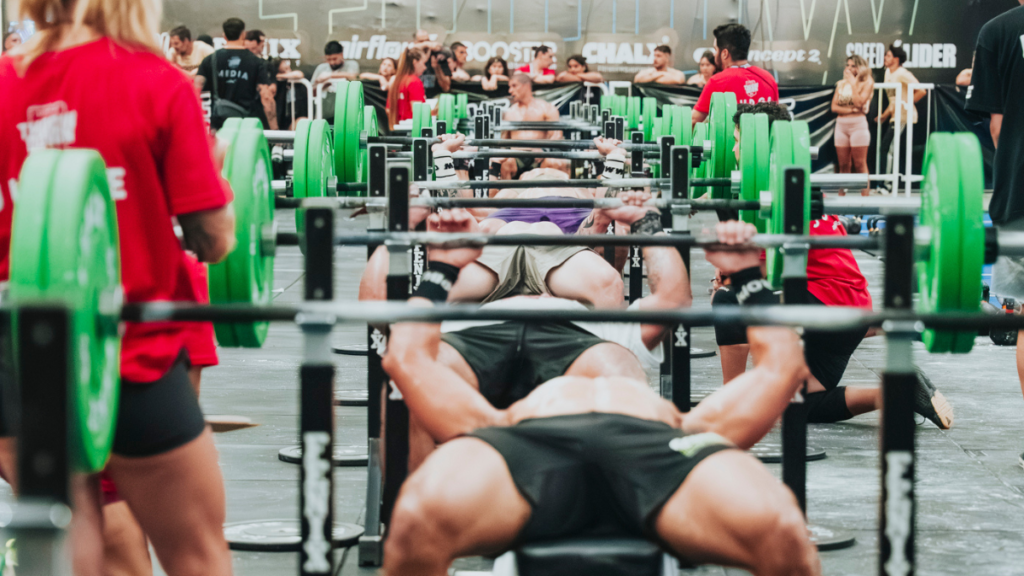
Compound exercises, such as squats, deadlifts, and bench presses, engage multiple muscle groups simultaneously, promoting overall muscle development and efficiency in training. These movements are effective for building a strong and balanced physique.
4. Incorporate Isolation Exercises
While compound movements are essential, isolation exercises target specific muscles, allowing for focused development and correction of imbalances. Incorporating exercises like bicep curls or leg extensions can enhance muscle definition and symmetry.
5. Optimize Training Volume and Intensity
Training volume (total sets and repetitions) and intensity (load or resistance) are critical variables in muscle hypertrophy. Research suggests that performing 10–20 sets per muscle group per week, with moderate to high intensity, is effective for muscle growth.
6. Maintain a High-Protein Diet
Protein intake is vital for muscle repair and growth. Consuming 1.6–2.2 grams of protein per kilogram of body weight per day supports muscle hypertrophy and aids in body recomposition.
7. Utilize Periodization in Training
Periodization involves systematically varying training variables over time to optimize performance and recovery. Alternating between phases focusing on strength, hypertrophy, and endurance can prevent plateaus and promote continuous progress.
8. Incorporate Cardiovascular Training
Cardiovascular exercise supports fat loss, enhancing muscle definition and vascularity. Integrating moderate-intensity cardio sessions 2–3 times per week can improve overall body composition without compromising muscle mass.
9. Ensure Adequate Recovery and Sleep
Recovery is crucial for muscle growth and overall performance. Aim for 7–9 hours of quality sleep per night and include rest days in your training regimen to allow for proper muscle repair and growth.
10. Monitor and Adjust Macronutrient Intake
Balancing macronutrients—proteins, carbohydrates, and fats—is essential for energy provision and muscle development. Adjusting macronutrient ratios based on training intensity and goals can optimize body composition.
11. Stay Hydrated
Hydration affects muscle function and recovery. Consuming adequate fluids supports metabolic processes and can enhance performance during training sessions.
12. Consistency and Patience
Achieving an aesthetic physique is a gradual process that requires consistent effort and patience. Adhering to a structured training and nutrition plan over time yields sustainable results.
Key Takeaways
| Hack | Description |
|---|---|
| Prioritize Muscle Symmetry and Proportion | Focus on balanced development to achieve the ideal physique. |
| Implement Progressive Overload | Gradually increase training stress to stimulate muscle growth. |
| Utilize Compound Movements | Engage multiple muscle groups for efficient training. |
| Incorporate Isolation Exercises | Target specific muscles to enhance definition and correct imbalances. |
| Optimize Training Volume and Intensity | Adjust sets, reps, and load to maximize hypertrophy. |
| Maintain a High-Protein Diet | Support muscle repair and growth with adequate protein intake. |
| Utilize Periodization in Training | Vary training focus to prevent plateaus and promote progress. |
| Incorporate Cardiovascular Training | Enhance fat loss and muscle definition through cardio. |
| Ensure Adequate Recovery and Sleep | Allow time for muscle repair and overall recovery. |
| Monitor and Adjust Macronutrient Intake | Balance nutrients to support energy needs and body composition. |
| Stay Hydrated | Maintain fluid balance for optimal muscle function. |
| Consistency and Patience | Commit to long-term efforts for sustainable results. |
References
- Schoenfeld, B. J., et al. (2019). Resistance training prescription for muscle strength and hypertrophy in healthy adults: a systematic review and Bayesian network meta-analysis. British Journal of Sports Medicine, 53(10), 1–10.
- Morton, R. W., et al. (2016). A systematic review, meta-analysis and meta-regression of the effect of protein supplementation on resistance training-induced gains in muscle mass and strength in healthy adults. British Journal of Sports Medicine, 52(6), 376–384.
- Helms, E. R., et al. (2014). Evidence-based recommendations for natural bodybuilding contest preparation: nutrition and supplementation. Journal of the International Society of Sports Nutrition, 11(1), 20.