Achieving a lean physique while preserving muscle mass requires a strategic approach that combines nutrition, training, and lifestyle modifications. This article outlines eight scientifically backed methods to help you shed fat without sacrificing muscle.
1. Maintain a Moderate Caloric Deficit
Creating a caloric deficit is essential for fat loss, but an aggressive deficit can lead to muscle loss. Research suggests that a moderate deficit of 10–20% below maintenance calories is optimal for fat loss while preserving lean tissue.


2. Prioritize Resistance Training
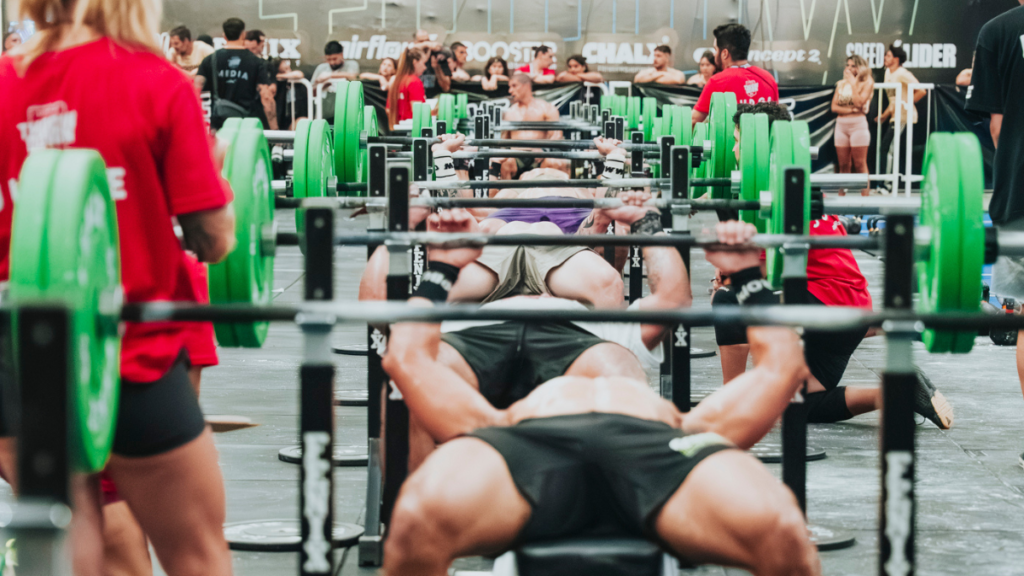
Resistance training is crucial for muscle preservation during weight loss. A systematic review and meta-analysis found that resistance training alone can reduce body fat percentage and increase lean body mass. Additionally, resistance training stimulates the release of muscle-derived extracellular vesicles that promote fat cell lipolysis.
3. Ensure Adequate Protein Intake
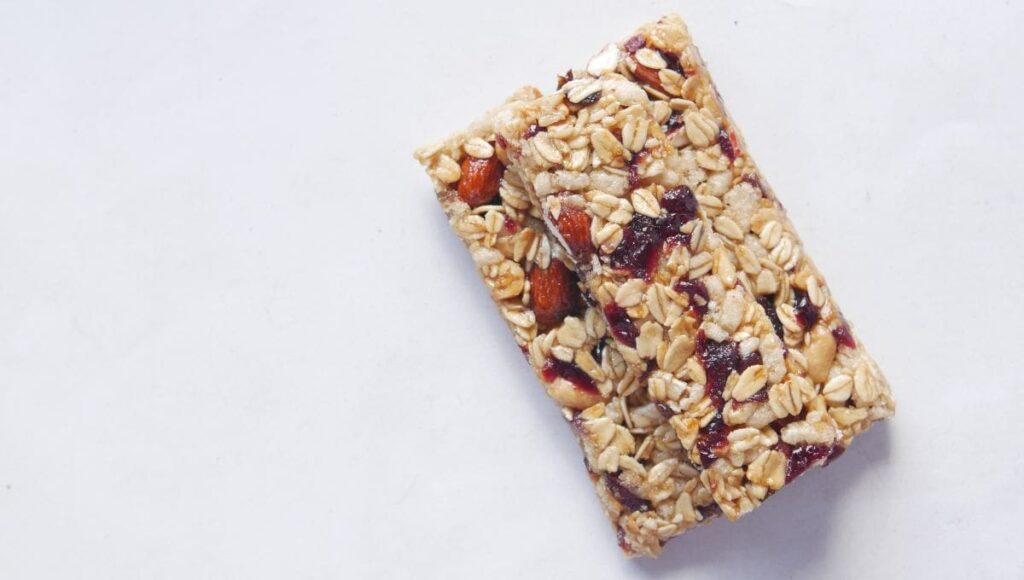
Consuming sufficient protein supports muscle maintenance during caloric restriction. Studies recommend a protein intake of 1.6–2.2 grams per kilogram of body weight per day for individuals aiming to preserve muscle mass while losing fat. Distributing protein intake evenly across meals enhances muscle protein synthesis.
4. Incorporate Cardiovascular Exercise Strategically
While resistance training is paramount, incorporating moderate-intensity cardiovascular exercise can aid in fat loss without compromising muscle mass. Combining resistance training with cardio has been shown to improve body composition and metabolic health.
5. Avoid Severe Caloric Restriction
Severe caloric restriction can lead to significant muscle loss. A study found that participants on a very low-calorie diet experienced a decrease in lean body mass despite weight loss. Maintaining a moderate deficit and adequate protein intake is essential to preserve muscle.
6. Monitor Body Composition, Not Just Weight
Relying solely on scale weight can be misleading. Tracking body composition changes, such as fat mass and lean mass, provides a more accurate assessment of progress. Methods include bioelectrical impedance analysis, dual-energy X-ray absorptiometry (DEXA), and skinfold measurements.
7. Optimize Nutrient Timing
Consuming protein-rich meals around training sessions can enhance muscle protein synthesis and recovery. A study demonstrated that ingesting protein before and after resistance training led to greater increases in muscle mass and strength.
8. Get Sufficient Sleep
Adequate sleep is vital for muscle recovery and fat loss. Sleep deprivation can impair muscle protein synthesis and increase catabolic hormones, leading to muscle loss. Aim for 7–9 hours of quality sleep per night to support body composition goals.
Key Takeaways
| Strategy | Description |
|---|---|
| Moderate Caloric Deficit | Aim for a 10–20% reduction below maintenance calories to preserve muscle. |
| Resistance Training | Engage in regular resistance exercises to maintain and build muscle mass. |
| Adequate Protein Intake | Consume 1.6–2.2 g/kg of body weight daily, distributed across meals. |
| Strategic Cardiovascular Exercise | Incorporate moderate-intensity cardio to aid fat loss without muscle loss. |
| Avoid Severe Caloric Restriction | Prevent significant muscle loss by avoiding extreme calorie deficits. |
| Monitor Body Composition | Track changes in fat and lean mass for accurate progress assessment. |
| Nutrient Timing | Consume protein around workouts to enhance muscle synthesis and recovery. |
| Sufficient Sleep | Ensure 7–9 hours of sleep to support muscle recovery and fat loss. |
References
- Schoenfeld, B. J., et al. (2021). Resistance training for fat loss: A systematic review and meta-analysis. Sports Medicine, 51(6), 1239–1248.
- Wewege, M., et al. (2021). The effect of resistance training on body fat in healthy adults: A systematic review and meta-analysis. Sports Medicine, 51(6), 1239–1248.
- Phillips, S. M., & Van Loon, L. J. C. (2011). Dietary protein for athletes: From requirements to optimum adaptation. Journal of Sports Sciences, 29(sup1), S29–S38.
- Thomas, D. T., et al. (2016). Position of the Academy of Nutrition and Dietetics, Dietitians of Canada, and the American College of Sports Medicine: Nutrition and athletic performance. Journal of the Academy of Nutrition and Dietetics, 116(3), 501–528.
- Mettler, S., et al. (2010). Increased protein intake reduces lean body mass loss during weight loss in athletes. Medicine & Science in Sports & Exercise, 42(2), 326–337.
- Pasiakos, S. M., et al. (2013). Effects of high-protein diets on fat-free mass and muscle protein synthesis following weight loss: A randomized controlled trial. The FASEB Journal, 27(9), 3837–3847.
- Morton, R. W., et al. (2018). A systematic review, meta-analysis and meta-regression of the effect