Achieving simultaneous fat loss and muscle gain—commonly known as body recomposition—requires a strategic approach to nutrition, particularly emphasizing high-protein meals.
Scientific research consistently demonstrates that increased protein intake supports muscle synthesis while enhancing fat oxidation, especially when combined with resistance training and a slight caloric deficit.


This article presents three meticulously crafted high-protein meals designed to facilitate fat loss and muscle building, each substantiated by scientific evidence.
The Science Behind High-Protein Diets for Body Recomposition
Protein plays a pivotal role in muscle repair and growth. Consuming higher protein levels can preserve lean body mass during weight loss and promote muscle hypertrophy when paired with resistance training. Research suggests that protein intakes ranging from 1.6 to 2.2 grams per kilogram of body weight per day are effective for these goals.

Moreover, high-protein diets have been linked to increased satiety, thermogenesis, and fat oxidation, contributing to more effective fat loss.
A study by Longland et al. (2016) found that participants consuming 2.4 g/kg/day of protein lost more fat mass and gained more lean mass compared to those consuming 1.2 g/kg/day, despite both groups being in a caloric deficit.
Meal 1: Grilled Chicken Quinoa Bowl
Ingredients
- 6 oz (170 g) grilled chicken breast
- 1 cup (185 g) cooked quinoa
- 1 cup (150 g) steamed broccoli
- 1/2 avocado (75 g)
- 1 tbsp (15 ml) olive oil
- Lemon juice and herbs for seasoning
Nutritional Profile
- Calories: ~600 kcal
- Protein: ~50 g
- Carbohydrates: ~40 g
- Fats: ~25 g
Scientific Justification
Chicken breast is a lean protein source, rich in essential amino acids necessary for muscle protein synthesis. Quinoa provides complex carbohydrates and additional protein, supporting energy needs during training. Broccoli adds fiber and micronutrients, while avocado and olive oil supply healthy fats that aid in nutrient absorption and satiety.
A balanced meal like this supports muscle maintenance and fat loss, particularly when consumed post-workout. Research indicates that combining protein with carbohydrates post-exercise enhances muscle recovery and growth.
Meal 2: Salmon with Sweet Potato and Asparagus

Ingredients
- 6 oz (170 g) baked salmon
- 1 medium (150 g) sweet potato
- 1 cup (134 g) steamed asparagus
- 1 tsp (5 ml) olive oil
- Herbs and spices for seasoning
Nutritional Profile
- Calories: ~550 kcal
- Protein: ~45 g
- Carbohydrates: ~35 g
- Fats: ~25 g
Scientific Justification
Salmon is rich in omega-3 fatty acids, which have been shown to enhance muscle protein synthesis and reduce inflammation, aiding in recovery. Sweet potatoes provide complex carbohydrates for sustained energy, and asparagus offers fiber and essential vitamins. This meal’s macronutrient balance supports both muscle building and fat loss.
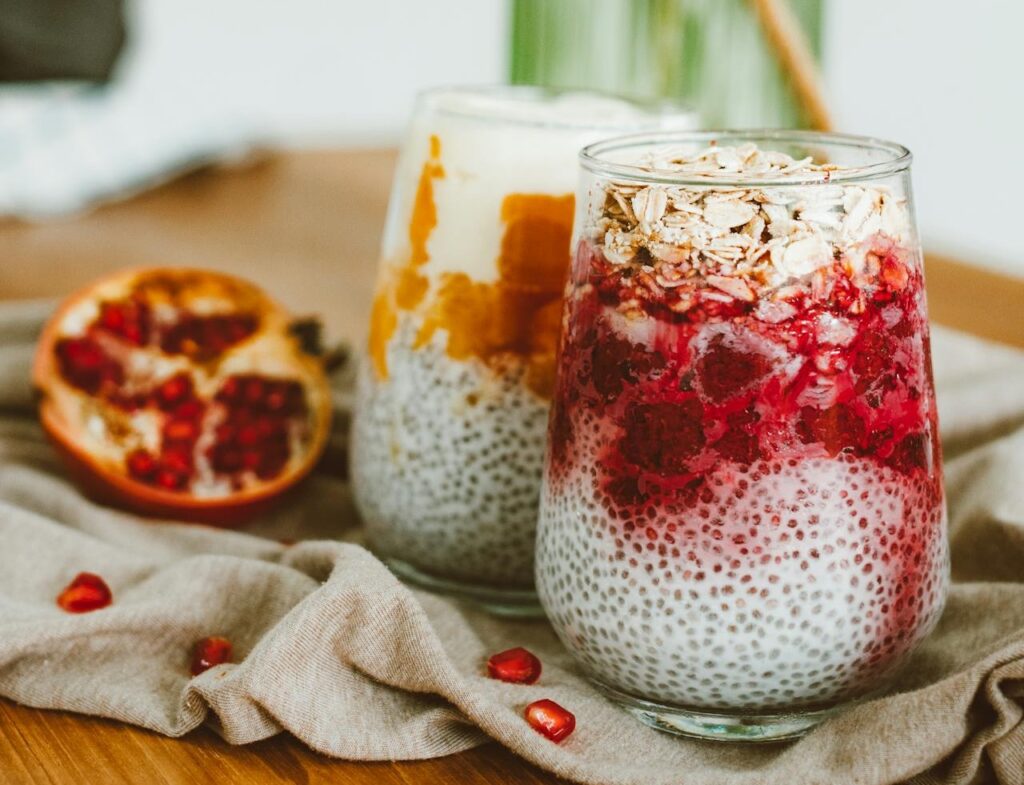
Meal 3: Greek Yogurt Parfait with Berries and Almonds
Ingredients
- 1 cup (245 g) non-fat Greek yogurt
- 1/2 cup (75 g) mixed berries
- 2 tbsp (14 g) sliced almonds
- 1 tbsp (10 g) chia seeds
- Drizzle of honey (optional)
Nutritional Profile
- Calories: ~300 kcal
- Protein: ~25 g
- Carbohydrates: ~20 g
- Fats: ~10 g
Scientific Justification
Greek yogurt is a high-quality protein source, particularly rich in casein, which digests slowly and provides a steady release of amino acids, making it ideal for muscle maintenance during periods of fasting, such as overnight.
Berries add antioxidants and fiber, while almonds and chia seeds contribute healthy fats and additional protein. This meal is suitable as a snack or a light breakfast, supporting muscle preservation and satiety.
Bibliography
- International Society of Sports Nutrition. (2017). Position Stand: protein and exercise. Journal of the International Society of Sports Nutrition, 14(1), 20.
- Longland, T. M., Oikawa, S. Y., Mitchell, C. J., Devries, M. C., & Phillips, S. M. (2016). Higher compared with lower dietary protein during an energy deficit combined with intense exercise promotes greater lean mass gain and fat mass loss: a randomized trial. The American Journal of Clinical Nutrition, 103(3), 738–746.
- Phillips, S. M., & Van Loon, L. J. C. (2011). Dietary protein for athletes: from requirements to optimum adaptation. Journal of Sports Sciences, 29(sup1), S29–S38.
- Tipton, K. D., & Wolfe, R. R. (2004). Protein and amino acids for athletes. Journal of Sports Sciences, 22(1), 65–79.