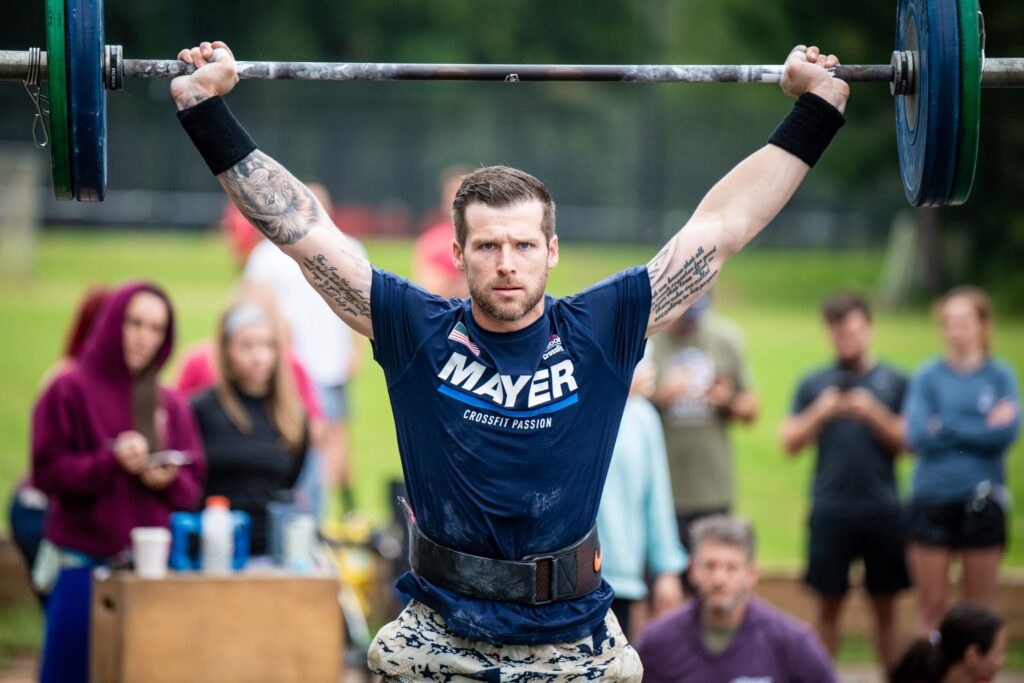
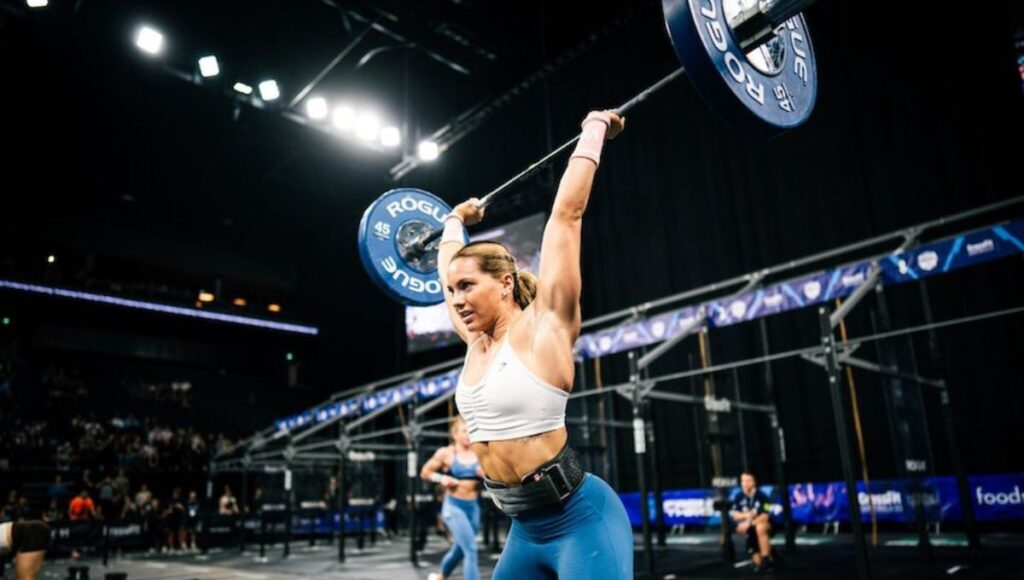
Powerlifting is a sport that demands not only raw strength but also exceptional technique and strategic training methods.
When an athlete reaches an intermediate or advanced level, simple linear progression is no longer sufficient to continue making gains. Implementing advanced techniques can drive new adaptations and improvements. Here are five scientifically backed strategies that can help powerlifters push past plateaus and significantly enhance their lifts.


1. Cluster Sets for Strength Gains
What Are Cluster Sets?
Cluster sets involve breaking a traditional set into several smaller subsets with short rest periods between the subsets. Instead of performing 5 repetitions consecutively, an athlete might perform 2 reps, rest 20 seconds, perform 2 more reps, rest again, and finish with 1 final rep.
How Cluster Sets Enhance Strength
Research has shown that cluster sets allow athletes to maintain higher power outputs and better bar velocity throughout the set. A study by Tufano et al. (2017) found that cluster sets preserved velocity and power more effectively compared to traditional sets, which deteriorate as fatigue builds up. Maintaining higher bar speeds during training closely mirrors the explosive demands of maximal lifts in competition.
Implementation for Powerlifting
For the squat, bench press, and deadlift, cluster sets can be used with intensities ranging from 80% to 90% of 1RM. A common scheme could involve 3-5 mini-clusters per set, with each mini-cluster consisting of 1-2 reps and 15-30 seconds rest between clusters.
2. Post-Activation Potentiation (PAP) Protocols
What is PAP?
Post-activation potentiation refers to the phenomenon where muscle performance is temporarily enhanced as a result of previous contractions. Performing a heavy lift primes the nervous system and muscles, allowing for greater force production in subsequent efforts.
Scientific Support for PAP
Seitz and Haff (2016) conducted a meta-analysis showing that PAP protocols can significantly improve power output and maximal strength performance when properly timed. The key is balancing the fatigue from the heavy lift with the potentiation effect, typically waiting 4-12 minutes after the initial heavy effort before performing the performance set.
Practical Application
In practice, a powerlifter might perform a heavy single at 90-95% 1RM, rest for 5 minutes, and then perform their main working sets at slightly lower intensities but with enhanced performance. This technique is especially effective before heavy squat or deadlift sessions.
3. Accommodating Resistance Using Bands and Chains
The Concept of Accommodating Resistance
Bands and chains are used to match resistance to the athlete’s strength curve. As the lifter moves through the concentric phase and reaches mechanically stronger positions, the load increases due to the stretch of the bands or the lifting of additional chain links off the ground.
Evidence for Effectiveness
Joy et al. (2013) found that training with accommodating resistance increased maximal strength and rate of force development more effectively than traditional constant resistance methods. The varied resistance demands greater acceleration and stabilizer muscle activation throughout the range of motion.
How to Incorporate Bands and Chains
Incorporate accommodating resistance by replacing 15-25% of the bar weight with bands or chains. For example, during a squat workout, use 70% straight weight and 20% band tension, ensuring the highest resistance is at the top of the lift where leverage is greatest.
4. Velocity-Based Training (VBT)
Understanding VBT
Velocity-based training uses bar speed as the primary metric to prescribe and adjust training loads. Rather than relying solely on percentages of 1RM, athletes adjust weights based on their performance in real-time.
Research on VBT
A study by Banyard et al. (2019) demonstrated that using VBT protocols led to superior strength gains compared to percentage-based methods. VBT allows lifters to autoregulate based on daily readiness, reducing injury risk and optimizing training stimulus.
Practical Guidelines
Use a linear position transducer or accelerometer to measure bar speed. Prescribe work sets with velocity targets; for example, working in a 0.5-0.7 m/s range for maximal strength development. If bar speed drops below the target range, reduce the load or terminate the set.
5. The Conjugate Method for Continuous Progression

What is the Conjugate Method?
Popularized by Westside Barbell, the conjugate method involves rotating exercises frequently to train multiple strength qualities simultaneously. It includes max effort work, dynamic effort work, and repetition work within the same week.
Supporting Evidence
A review by Suchomel et al. (2018) indicates that variation in exercise selection and training stimuli helps avoid accommodation, a phenomenon where the body stops adapting due to repeated exposure to the same stimulus. Conjugate training promotes continuous neural and muscular adaptation.
Structuring a Conjugate Program
- Max Effort Days: Work up to a 1-3RM on a variation (e.g., safety bar squat, deficit deadlift)
- Dynamic Effort Days: Perform multiple sets of speed work at 60-75% 1RM (including band/chain resistance)
- Repetition Effort Days: High-rep accessory work to build muscle mass and address weaknesses
Implementing these rotations systematically ensures no weakness is left unaddressed and maintains high levels of maximal strength.
Conclusion
Advanced powerlifting techniques are crucial for breaking through performance plateaus and maximizing strength development. Cluster sets, PAP protocols, accommodating resistance, VBT, and the conjugate method each offer unique physiological advantages backed by scientific research. Incorporating these methods into training requires careful programming and monitoring but offers substantial rewards for committed athletes.
Bibliography
Banyard, H.G., Nosaka, K. and Haff, G.G., 2019. Reliability and validity of the load-velocity relationship to predict the 1RM back squat. Journal of Strength and Conditioning Research, 33(3), pp.684-692.
Joy, J.M., Lowery, R.P., Oliveira de Souza, E., Wilson, J.M. and Wilson, S.M., 2013. Elastic bands as a component of periodized resistance training. Journal of Strength and Conditioning Research, 27(2), pp.576-582.
Seitz, L.B. and Haff, G.G., 2016. Factors modulating post-activation potentiation of jump, sprint, throw, and upper-body ballistic performances: A systematic review with meta-analysis. Sports Medicine, 46(2), pp.231-240.
Suchomel, T.J., Nimphius, S. and Stone, M.H., 2018. The importance of muscular strength in athletic performance. Sports Medicine, 48(4), pp.765-785.
Tufano, J.J., Brown, L.E. and Haff, G.G., 2017. Theoretical and practical aspects of different cluster set structures: a systematic review. Journal of Strength and Conditioning Research, 31(3), pp.848-867.
Key Takeaways Table
| Technique | Description | Key Benefit |
|---|---|---|
| Cluster Sets | Breaking sets into mini-clusters with short rests | Maintain higher bar velocity and power |
| Post-Activation Potentiation (PAP) | Heavy lift followed by rest then performance sets | Enhanced muscle force production |
| Accommodating Resistance | Using bands/chains to match strength curve | Greater strength and power development |
| Velocity-Based Training (VBT) | Prescribing load based on bar speed | Improved strength gains and autoregulation |
| Conjugate Method | Rotating exercises and strength qualities weekly | Avoid accommodation, continuous gains |