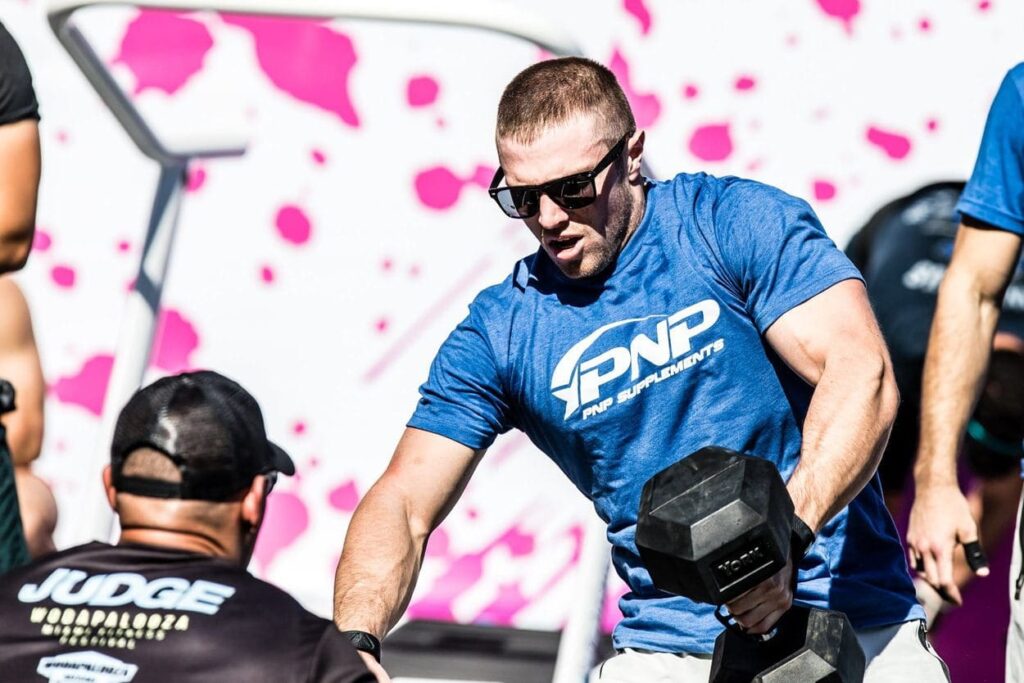
Body recomposition refers to the process of simultaneously losing fat and gaining muscle. Unlike traditional weight loss, which focuses solely on shedding pounds, recomposition prioritizes changing the ratio of fat to muscle mass. This approach yields a more defined, athletic physique.
The process hinges on strategic training, nutrition, and recovery, and is supported by evidence suggesting that under certain conditions, particularly among beginners or those returning after a break, concurrent fat loss and muscle gain are achievable (Stokes et al., 2018).


Tip 1: Prioritize Resistance Training Over Cardio
To stimulate muscle growth, resistance training must be the foundation of your exercise regimen. Resistance training, especially using compound movements like squats, deadlifts, and presses, triggers muscle protein synthesis (MPS), which is essential for hypertrophy.
A meta-analysis by Schoenfeld et al. (2017) found that training muscle groups twice weekly produced superior hypertrophic outcomes compared to once-weekly sessions. While cardiovascular training supports fat loss and cardiovascular health, it should be used as a complement, not a replacement, for lifting.
Tip 2: Master Nutritional Periodization
Strategic manipulation of caloric intake is crucial. To recomposition effectively, one must oscillate between slight caloric deficits and surpluses. On training days, consuming a slight surplus supports MPS and recovery; on rest days, a deficit helps facilitate fat loss.
This cycling strategy aligns with findings from Murphy and Koehler (2022), who suggest that caloric periodization can support body recomposition without the need for extreme bulking or cutting phases.
Tip 3: Emphasize Protein Timing and Quantity
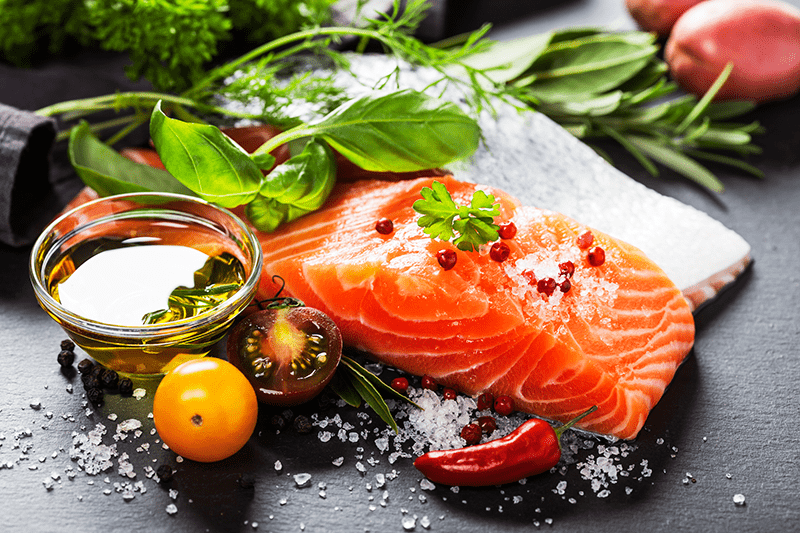
Sufficient protein intake is non-negotiable for muscle preservation and growth. The International Society of Sports Nutrition (ISSN) recommends 1.6–2.2 grams of protein per kilogram of body weight per day for individuals engaging in resistance training (Jäger et al., 2017).
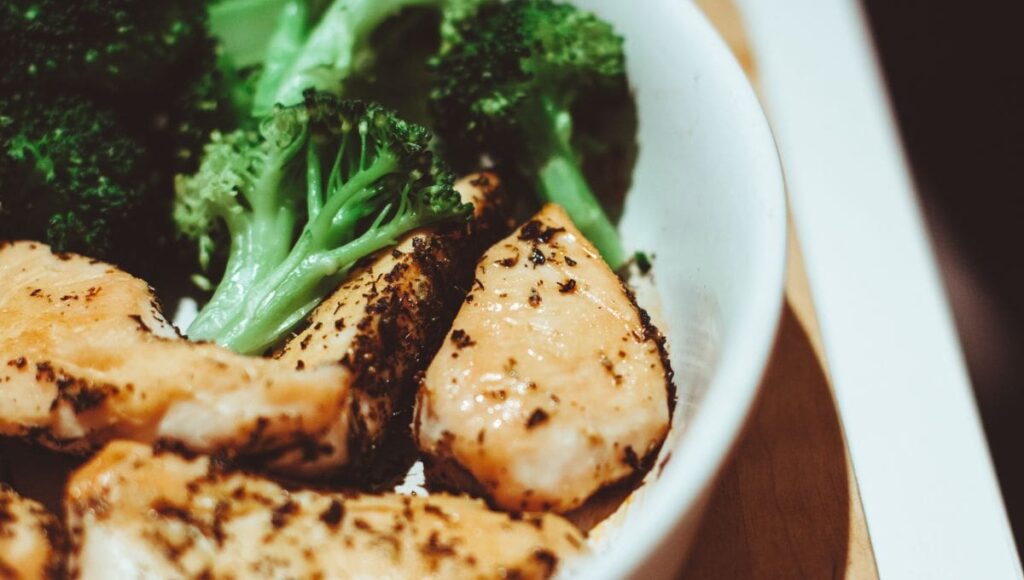
Furthermore, distributing protein evenly across meals stimulates MPS more effectively than skewed intake. Research by Areta et al. (2013) demonstrated that ingesting 20g of protein every three hours was superior for MPS compared to larger, less frequent doses.
Tip 4: Focus on Progressive Overload
Progressive overload is the principle of gradually increasing stress on the musculoskeletal system to induce adaptations. Without this stimulus, muscles have no reason to grow. This can be achieved by increasing load, volume, or intensity over time.
A study by Ralston et al. (2017) confirms that volume load progression is positively associated with hypertrophic adaptations. Tracking your lifts and ensuring consistent progression is essential for long-term body recomposition success.
Tip 5: Manage Recovery and Sleep Quality
Recovery is a crucial, often overlooked component. Sleep in particular plays a significant role in hormonal regulation, muscle repair, and cognitive function.

A study by Dattilo et al. (2011) found that sleep deprivation impairs MPS and increases muscle degradation. Aim for 7–9 hours of quality sleep per night and incorporate active recovery or rest days to allow tissues to heal and adapt.
Tip 6: Use High-Intensity Interval Training (HIIT) Strategically
HIIT can aid fat loss while preserving muscle mass when used sparingly. It involves short bursts of high effort followed by recovery periods and has been shown to increase fat oxidation and metabolic rate (Boutcher, 2011).
However, excessive HIIT can interfere with strength gains if not programmed carefully. Include one to two sessions per week, ideally separate from heavy lifting days, to optimize recovery and minimize interference effects.
Tip 7: Track Body Composition, Not Just Weight
Scale weight is a limited metric when body recomposition is the goal. A better approach is to use body fat percentage, circumferential measurements, and progress photos. Dual-energy X-ray absorptiometry (DEXA) scans or skinfold caliper measurements can provide insights into fat-to-lean mass changes.
A study by Trexler et al. (2017) emphasized that tracking non-scale metrics is vital in assessing the effectiveness of recomposition strategies.
Tip 8: Tailor Macronutrient Ratios
Beyond protein, carbohydrates and fats play key roles in performance and hormonal function. Carbohydrates replenish glycogen and support training intensity, while fats are vital for testosterone and overall health.
Research by Volek et al. (2006) shows that diets with adequate carbohydrates improve training output and preserve lean mass during caloric restriction. Aim for a balanced ratio tailored to your energy expenditure and training demands.
Tip 9: Be Patient and Consistent
Body recomposition is a slow process, particularly for trained individuals. Expect gradual improvements in strength, physique, and performance.
According to a review by Grgic et al. (2019), hypertrophy and fat loss adaptations may take several weeks to become evident, especially in intermediate to advanced trainees. Consistency in training, diet, and recovery is the cornerstone of long-term success.
Key Takeaways
| Tip | Summary |
|---|---|
| 1 | Resistance training is more effective than cardio for muscle growth and recomposition. |
| 2 | Alternate between calorie surplus and deficit depending on training days. |
| 3 | Consume 1.6–2.2g/kg protein daily, evenly distributed across meals. |
| 4 | Progressively increase training volume or intensity to stimulate hypertrophy. |
| 5 | Prioritize 7–9 hours of sleep nightly and include recovery days. |
| 6 | Limit HIIT to 1–2 sessions/week to promote fat loss without interfering with strength. |
| 7 | Track body fat %, measurements, and photos instead of relying on scale weight. |
| 8 | Ensure adequate carbohydrate and fat intake to support training and hormonal health. |
| 9 | Recomposition takes time—stay consistent and patient. |
References
Areta, J.L., Burke, L.M., Ross, M.L., Camera, D.M., West, D.W.D., Broad, E.M., Jeacocke, N.A., Moore, D.R., Stellingwerff, T. and Phillips, S.M., 2013. Timing and distribution of protein ingestion during prolonged recovery from resistance exercise alters myofibrillar protein synthesis. The Journal of Physiology, 591(9), pp.2319–2331.
Boutcher, S.H., 2011. High-intensity intermittent exercise and fat loss. Journal of Obesity, 2011, pp.1–10.
Dattilo, M., Antunes, H.K.M., Medeiros, A., Mônico-Neto, M., Souza, H.S., Tufik, S. and de Mello, M.T., 2011. Sleep and muscle recovery: Endocrinological and molecular basis for a new and promising hypothesis. Medical Hypotheses, 77(2), pp.220–222.
Grgic, J., Schoenfeld, B.J., Latella, C., Miguel, M. and Krieger, J.W., 2019. Effects of resistance training frequency on gains in muscular strength: A systematic review and meta-analysis. Sports Medicine, 48(5), pp.1207–1220.
Jäger, R., Kerksick, C.M., Campbell, B.I., Cribb, P.J., Wells, S.D., Skwiat, T.M., Purpura, M., Ferrando, A.A., Arent, S.M., Oliver, J.M. and Smith, A.E., 2017. International Society of Sports Nutrition position stand: protein and exercise. Journal of the International Society of Sports Nutrition, 14(1), pp.1–25.
Murphy, C. and Koehler, K., 2022. Periodized energy restriction with equal protein intake preserves fat-free mass more effectively than continuous energy restriction: A systematic review and meta-analysis. Journal of Functional Morphology and Kinesiology, 7(2), p.41.
Ralston, G.W., Kilgore, L., Wyatt, F.B., Buchan, D. and Baker, J.S., 2017. The effect of weekly set volume on strength gain: A meta-analysis. Sports Medicine, 47(12), pp.2585–2601.
Schoenfeld, B.J., Ogborn, D. and Krieger, J.W., 2017. Dose-response relationship between weekly resistance training volume and increases in muscle mass: A systematic review and meta-analysis. Journal of Sports Sciences, 35(11), pp.1073–1082.
Stokes, T., Hector, A.J., Morton, R.W., McGlory, C. and Phillips, S.M., 2018. Recent perspectives regarding the role of dietary protein for the promotion of muscle hypertrophy with resistance exercise training. Nutrients, 10(2), p.180.
Trexler, E.T., Smith-Ryan, A.E. and Norton, L.E., 2017. Metabolic adaptation to weight loss: Implications for the athlete. Journal of the International Society of Sports Nutrition, 11(1), pp.1–13.
Volek, J.S., Volk, B.M., Gómez, A.L., Kunces, L.J., Kupchak, B.R., Freidenreich, D.J., Aristizabal, J.C., Saenz, C., Dunn-Lewis, C., Ballard, K.D. and Quann, E.E., 2006. Whey protein supplementation during resistance training augments lean body mass. Journal of the American College of Nutrition, 25(2), pp.129–136.