Achieving a lean and defined physique doesn’t require spending hours in the gym each day. With the right strategies, 15 minutes of focused effort daily can be enough to spark significant transformation. This article explores science-backed, efficient routines and lifestyle tweaks that you can implement to reduce body fat, maintain muscle mass, and sculpt a defined appearance.
Why 15 Minutes Works
Short-duration workouts are not only time-efficient but can be metabolically powerful. High-Intensity Interval Training (HIIT) and circuit-style training create an “afterburn” effect, scientifically known as excess post-exercise oxygen consumption (EPOC). This means your body continues to burn calories long after the session ends. A study published in the Journal of Sports Sciences found that HIIT elevated metabolic rate for up to 24 hours post-exercise (LaForgia et al., 2006).


Moreover, even brief resistance training can stimulate muscle protein synthesis, contributing to the maintenance or growth of lean tissue. According to Schoenfeld et al. (2015), resistance training volume is important, but even lower volumes can be effective if intensity is high.
Structure of the Routine
Each 15-minute session should include:
- Dynamic Warm-Up (2 minutes)
- Main Workout (12 minutes)
- Cool-Down/Stretch (1 minute)
Day 1: Full Body Fat Burner (HIIT Style)
Dynamic Warm-Up: 20 seconds each of jumping jacks, arm circles, high knees, and bodyweight squats.
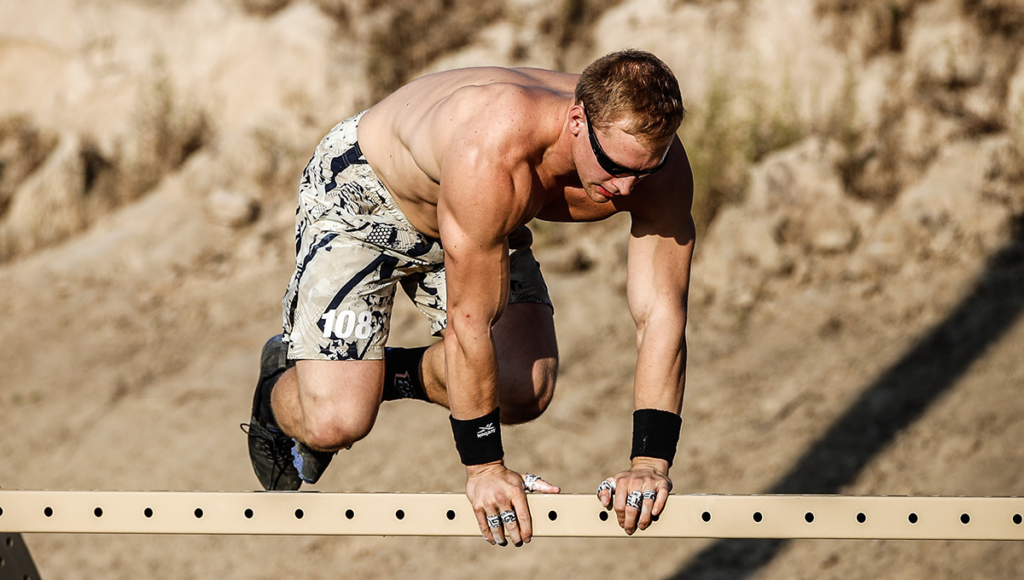
Main Workout (4 rounds of 3 minutes each)
- 30 seconds: Burpees
- 30 seconds: Jump squats
- 30 seconds: Mountain climbers
- 30 seconds: Push-ups
- 30 seconds: Rest
This session maximizes calorie burn through explosive movements. Research from Boutcher (2011) suggests HIIT is particularly effective for reducing subcutaneous and visceral fat.
Cool-Down: Standing hamstring stretch and shoulder circles.
Day 2: Core and Definition
Warm-Up: 30 seconds each of hip bridges, cat-cow stretch, bird-dogs, and plank walk-outs.
Main Workout (3 circuits)
- 45 seconds: Plank with shoulder taps
- 45 seconds: V-ups
- 45 seconds: Side plank (left)
- 45 seconds: Side plank (right)
- 60 seconds: Rest
Targeting the core not only improves aesthetics but also enhances posture and function. According to Willardson (2007), core stability training improves muscular endurance and spinal alignment, which are essential for efficient movement and injury prevention.
Cool-Down: Cobra stretch and seated forward bend.
Day 3: Upper Body Strength
Warm-Up: Arm circles, inchworms, shoulder shrugs, light push-ups.
Main Workout (AMRAP Style)
- 10 Push-ups
- 10 Triceps dips (using a chair)
- 10 Pike push-ups
- 10 Bent-over rows (using resistance bands or filled water jugs)
- Repeat as many rounds as possible in 12 minutes
This routine enhances muscular definition in the chest, shoulders, and arms. Low-rest, moderate-rep bodyweight strength work has been shown to increase hypertrophy and strength (Ratamess et al., 2009).
Cool-Down: Shoulder stretch and chest opener.
Day 4: Active Recovery and Mobility
Warm-Up: Gentle marching in place, arm swings, and torso rotations.
Main Mobility Flow (Repeat Twice)
- 1 minute: World’s Greatest Stretch
- 1 minute: Pigeon pose (each leg)
- 1 minute: Downward dog to cobra flow
- 1 minute: Standing quad stretch
- 1 minute: Deep squat hold
Mobility is critical for injury prevention and optimal muscle activation. According to Page (2012), regular mobility training enhances joint range of motion and neuromuscular control.
Cool-Down: Deep breathing and diaphragmatic stretch.
Day 5: Lower Body Strength and Tone
Warm-Up: Walking lunges, leg swings, bodyweight squats, and calf raises.
Main Workout (EMOM – Every Minute On the Minute for 12 Minutes)
- Odd Minutes: 15 Jump squats + 15 Reverse lunges (total reps)
- Even Minutes: 20 Glute bridges + 10 Calf raises (hold last rep for 5 seconds)
Training legs improves hormone balance and energy expenditure. Lower body workouts elicit high levels of growth hormone and testosterone, which help in fat loss and muscle preservation (Hansen et al., 2001).
Cool-Down: Hamstring and hip flexor stretches.
Day 6: Tabata Power Session
Warm-Up: 20 seconds each of jumping jacks, air squats, high knees, and arm circles.
Main Tabata Workout (20 seconds work, 10 seconds rest x 8 rounds)
- Round 1: Jump squats
- Round 2: Push-ups
- Round 3: Russian twists
- Round 4: High knees
- Repeat cycle twice
Tabata training is a form of HIIT with proven benefits for fat oxidation and cardiovascular fitness. A study by Tabata et al. (1996) showed superior VO2 max improvements compared to steady-state cardio.
Cool-Down: Full-body stretch with focus on hip flexors and shoulders.
Day 7: Bodyweight Combo Blast

Warm-Up: Light jog in place, dynamic hamstring kicks, and scapular wall slides.
Main Circuit (Repeat 3x)
- 30 seconds: Jumping lunges
- 30 seconds: Push-ups
- 30 seconds: Bicycle crunches
- 30 seconds: Squat to press (if using weights)
- 60 seconds: Rest
This balanced routine integrates all muscle groups, pushing the heart rate into fat-burning zones. The combination of anaerobic and aerobic efforts increases EPOC and muscle tone (LaForgia et al., 2006).
Cool-Down: Stretch sequence targeting glutes, back, and hamstrings.
Nutrition to Support Definition
A 15-minute workout is only as effective as the nutrition supporting it. To get lean and defined, a slight caloric deficit with high protein intake is essential. Research by Pasiakos et al. (2013) indicates that higher protein diets (2.4 g/kg body weight) support muscle retention and fat loss during energy restriction.
Emphasize:
- Whole proteins: Chicken, fish, eggs, legumes
- Non-starchy vegetables
- Whole grains in moderation
- Healthy fats: Nuts, seeds, olive oil
Avoid:
- Sugary beverages
- Highly processed foods
- Excess alcohol
Hydration is equally critical, especially during high-intensity routines. Even a 2% drop in hydration can impair performance (Sawka et al., 2007).
Sleep and Stress Management
Lack of sleep and chronic stress elevate cortisol, a hormone associated with fat retention, particularly in the abdominal area. According to Spiegel et al. (1999), sleep deprivation decreases leptin and increases ghrelin, hormones that regulate hunger. Managing stress through mindfulness, breathwork, or yoga can lower cortisol and support fat loss efforts (Thayer et al., 2012).
How to Stay Consistent
Consistency is the key to long-term leanness. Here are strategies to stay on track:
- Set a fixed time daily
- Keep equipment minimal and accessible
- Track progress with a journal or app
- Use a timer to stay accountable
- Rotate routines to avoid monotony
References
Boutcher, S. H. (2011). High-intensity intermittent exercise and fat loss. Journal of Obesity, 2011, Article ID 868305.
Hansen, S., Kvorning, T., Kjaer, M., & Sjoegaard, G. (2001). The effect of short-term strength training on human skeletal muscle: The importance of training volume. Scandinavian Journal of Medicine & Science in Sports, 11(2), 65-72.
LaForgia, J., Withers, R. T., & Gore, C. J. (2006). Effects of exercise intensity and duration on the excess post-exercise oxygen consumption. Journal of Sports Sciences, 24(12), 1247-1264.
Page, P. (2012). Current concepts in muscle stretching for exercise and rehabilitation. International Journal of Sports Physical Therapy, 7(1), 109-119.
Pasiakos, S. M., Cao, J. J., Margolis, L. M., Sauter, E. R., Whigham, L. D., McClung, J. P., Rood, J. C., Carbone, J. W., Combs, G. F., Young, A. J., & Rodriguez, N. R. (2013). Effects of high-protein diets on fat-free mass and muscle protein synthesis following weight loss: A randomized controlled trial. FASEB Journal, 27(9), 3837-3847.
Ratamess, N. A., Alvar, B. A., Evetoch, T. K., Housh, T. J., Kibler, W. B., Kraemer, W. J., & Triplett, N. T. (2009). American College of Sports Medicine position stand. Progression models in resistance training for healthy adults. Medicine & Science in Sports & Exercise, 41(3), 687-708.
Sawka, M. N., Cheuvront, S. N., & Carter, R. (2007). Human water needs. Nutrition Reviews, 65(6), 30-39.
Schoenfeld, B. J., Ogborn, D., & Krieger, J. W. (2015). Dose-response relationship between weekly resistance training volume and increases in muscle mass: A systematic review and meta-analysis. Journal of Sports Sciences, 35(11), 1073-1082.
Spiegel, K., Tasali, E., Penev, P., & Van Cauter, E. (1999). Brief communication: Sleep curtailment in healthy young men is associated with decreased leptin levels, elevated ghrelin levels, and increased hunger and appetite. Annals of Internal Medicine, 141(11), 846-850.
Tabata, I., Nishimura, K., Kouzaki, M., Hirai, Y., Ogita, F., Miyachi, M., & Yamamoto, K. (1996). Effects of moderate-intensity endurance and high-intensity intermittent training on anaerobic capacity and VO2max. Medicine & Science in Sports & Exercise, 28(10), 1327-1330.
Thayer, J. F., Åhs, F., Fredrikson, M., Sollers III, J. J., & Wager, T. D. (2012). A meta-analysis of heart rate variability and neuroimaging studies: Implications for heart rate variability as a marker of stress and health. Neuroscience & Biobehavioral Reviews, 36(2), 747-756.
Willardson, J. M. (2007). Core stability training: Applications to sports conditioning programs. Journal of Strength and Conditioning Research, 21(3), 979-985.