Intermittent fasting (IF) has gained immense popularity for its benefits in fat loss, metabolic health, and longevity. While the basic concept involves cycling between periods of eating and fasting, there are science-backed strategies that can significantly enhance fat burning. Below are seven effective tricks to maximize the fat-burning potential of intermittent fasting.
1. Start Your Fast After Your Last High-Protein Meal
Timing your last meal to include high-protein foods can enhance fat oxidation during your fasting window. Protein induces a thermogenic effect, increasing the number of calories your body uses to digest food. This postprandial thermogenesis, especially after protein consumption, contributes to a higher metabolic rate during the early fasting period. A study in the American Journal of Clinical Nutrition found that dietary protein causes greater thermogenesis than carbohydrates or fat, thus increasing energy expenditure (Westerterp-Plantenga et al., 2009).


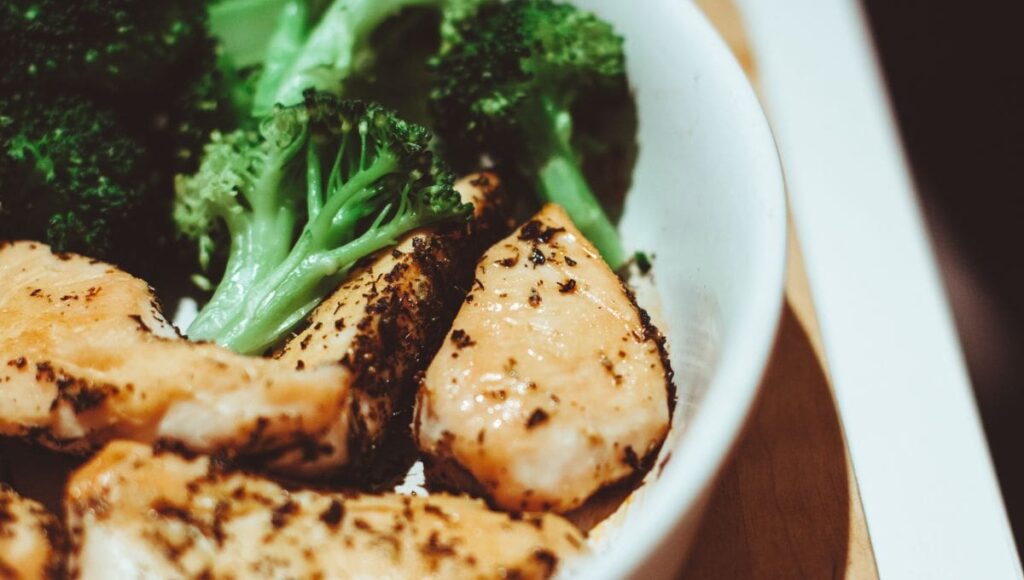
Furthermore, a protein-rich final meal can preserve lean muscle mass during fasting. Lean muscle mass is a key determinant in your basal metabolic rate, and its preservation helps ensure that fat, rather than muscle, is metabolized during fasting periods.
2. Incorporate Resistance Training During the Fasted State
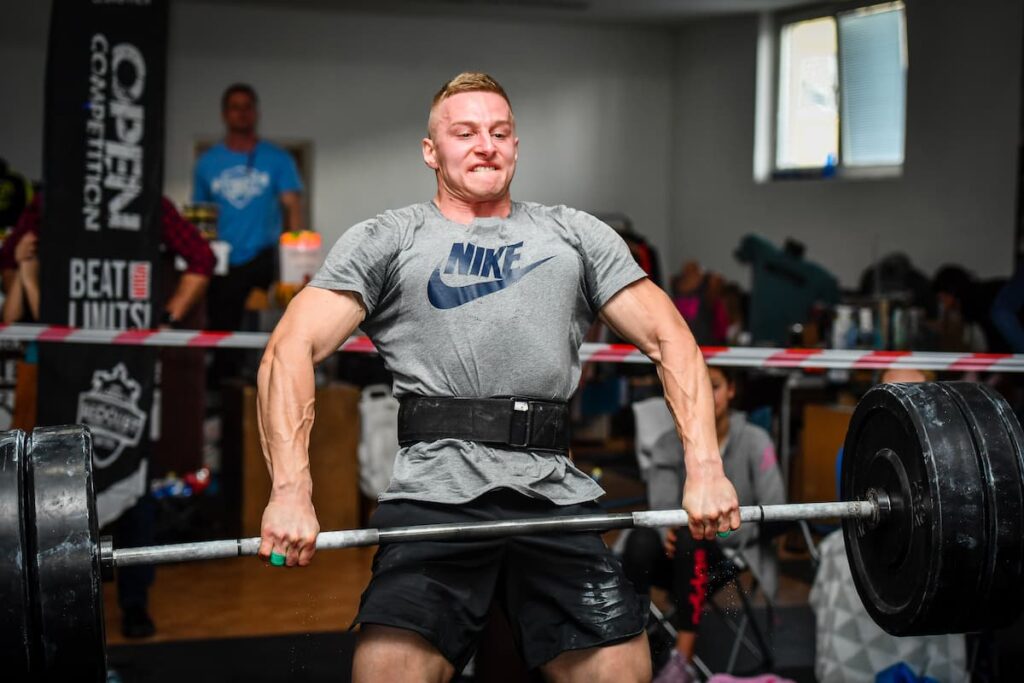
Exercising in a fasted state, particularly resistance training, amplifies fat oxidation and increases the expression of genes involved in fat metabolism. A study in the Journal of Physiology concluded that fasted exercise leads to higher intramyocellular lipid utilization and improves insulin sensitivity (Van Proeyen et al., 2010).
Resistance training stimulates muscle protein synthesis post-workout and helps preserve muscle tissue, which is vital for maintaining metabolic rate during a caloric deficit. It also creates a post-exercise oxygen consumption (EPOC) effect, meaning you continue burning calories at an elevated rate after your workout is complete.
3. Prioritize Sleep and Circadian Rhythm Alignment
Aligning your fasting schedule with your circadian rhythm enhances metabolic efficiency and hormonal balance. The human body has evolved to process food optimally during daylight hours. Eating late disrupts the circadian system, impairing glucose tolerance and increasing fat storage.

A 2018 study in Cell Metabolism found that early time-restricted feeding (eTRF), which aligns meals earlier in the day, improves insulin sensitivity, blood pressure, and oxidative stress markers even without weight loss (Sutton et al., 2018).
Quality sleep also regulates the hunger hormones ghrelin and leptin. Poor sleep increases ghrelin (which stimulates hunger) and decreases leptin (which signals satiety), leading to increased caloric intake and fat accumulation (Taheri et al., 2004).
4. Use Caffeine Strategically
Caffeine, particularly from black coffee or green tea, enhances lipolysis and fat oxidation, especially during fasting. It mobilizes fatty acids from adipose tissue and increases catecholamine levels, boosting energy expenditure.
A randomized crossover study published in the American Journal of Clinical Nutrition demonstrated that caffeine significantly increased 24-hour energy expenditure and fat oxidation in lean and post-obese individuals (Bracco et al., 1995). Green tea catechins, combined with caffeine, further amplify this effect by inhibiting catechol-O-methyltransferase, which breaks down norepinephrine, thereby prolonging its fat-burning impact.

Caffeine consumption should be timed to the early hours of fasting to avoid sleep disruption, which would counteract fat loss.
5. Integrate Short High-Intensity Interval Training (HIIT)
HIIT, when performed during the fasting window, can accelerate fat loss through several mechanisms. HIIT increases mitochondrial density, enhances insulin sensitivity, and leads to substantial EPOC. A review in the Journal of Obesity concluded that HIIT is particularly effective in reducing subcutaneous and abdominal fat (Boutcher, 2011).
Combining HIIT with intermittent fasting encourages the body to rely on fat stores as the primary energy source due to depleted glycogen levels. Moreover, HIIT stimulates the secretion of growth hormone, which not only facilitates fat metabolism but also preserves muscle mass during fasting.
6. Break Your Fast with a Low-Glycemic, Protein-Rich Meal
The meal that breaks your fast is critical for hormonal regulation and metabolic stability. A low-glycemic, protein-dense meal prevents insulin spikes and promotes a steady release of energy. Spikes in insulin can blunt fat burning, as insulin promotes glucose storage and suppresses lipolysis.
A study in Nutrition & Metabolism found that low-glycemic meals enhanced fat oxidation and improved metabolic markers compared to high-glycemic counterparts (Ebbeling et al., 2003). Including fiber and healthy fats in the meal also promotes satiety, reducing the likelihood of overeating in the subsequent feeding window.
7. Extend Fasting Windows Occasionally (24-36 Hours)
Occasionally practicing extended fasting windows of 24 to 36 hours can significantly increase fat oxidation and promote autophagy. During extended fasts, glycogen stores are depleted, and the body transitions into ketosis, wherein fat is the primary fuel source.
A study published in the Journal of Clinical Endocrinology and Metabolism showed that a 36-hour fast increased lipolysis and circulating free fatty acids, indicating elevated fat metabolism (Klein et al., 1993). Moreover, extended fasts promote autophagy, a cellular repair process that clears out damaged mitochondria and improves metabolic function.
However, extended fasting should be approached cautiously and not performed more than once per week without medical supervision. Hydration and electrolyte balance are crucial during prolonged fasts.
Bibliography
Boutcher, S.H., 2011. High-intensity intermittent exercise and fat loss. Journal of Obesity, 2011, pp.1-10.
Bracco, D., Ferrarra, J.M., Arnaud, M.J., Jequier, E. and Schutz, Y., 1995. Effects of caffeine on energy metabolism, heart rate, and methylxanthine metabolism in lean and obese women. American Journal of Clinical Nutrition, 61(1), pp.149-155.
Ebbeling, C.B., Leidig, M.M., Sinclair, K.B., Hangen, J.P. and Ludwig, D.S., 2003. A reduced-glycemic load diet in the treatment of adolescent obesity. Archives of Pediatrics & Adolescent Medicine, 157(8), pp.773-779.
Klein, S., Young, V.L., Aitchison, S.P., Wright, J.C., Schechtman, K.B. and Holloszy, J.O., 1993. Weight reduction through long-term caloric restriction has a beneficial effect on serum HDL cholesterol concentrations in obese women. Journal of Clinical Endocrinology and Metabolism, 76(2), pp.423-427.
Sutton, E.F., Beyl, R., Early, K.S., Cefalu, W.T., Ravussin, E. and Peterson, C.M., 2018. Early time-restricted feeding improves insulin sensitivity, blood pressure, and oxidative stress even without weight loss in men with prediabetes. Cell Metabolism, 27(6), pp.1212-1221.
Taheri, S., Lin, L., Austin, D., Young, T. and Mignot, E., 2004. Short sleep duration is associated with reduced leptin, elevated ghrelin, and increased body mass index. PLOS Medicine, 1(3), pp.e62.
Van Proeyen, K., Szlufcik, K., Nielens, H., Ramaekers, M. and Hespel, P., 2010. Training in the fasted state improves glucose tolerance during fat-rich diet. Journal of Physiology, 588(21), pp.4289-4302.
Westerterp-Plantenga, M.S., Lejeune, M.P. and Kovacs, E.M., 2009. Body weight loss and weight maintenance in relation to habitual caffeine intake and green tea supplementation. Obesity Research, 13(7), pp.1195-1204.
Key Takeaways Table
| Trick | Summary |
|---|---|
| High-protein final meal | Enhances thermogenesis and preserves muscle mass during fasting |
| Fasted resistance training | Boosts fat oxidation and preserves lean muscle |
| Align with circadian rhythm | Improves metabolic health and hormonal balance |
| Use caffeine strategically | Increases energy expenditure and fat burning during fasting |
| Add HIIT | Enhances fat loss and post-exercise calorie burn |
| Low-glycemic break-fast meal | Maintains insulin control and prolongs fat burning |
| Occasional extended fasts | Deepens fat oxidation and activates autophagy |