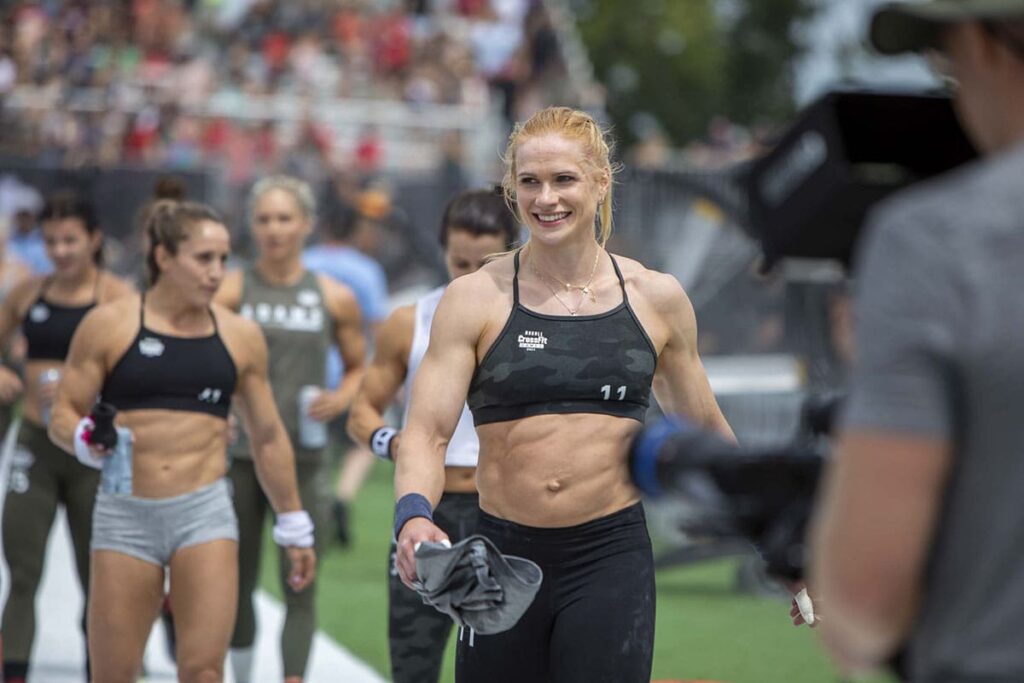
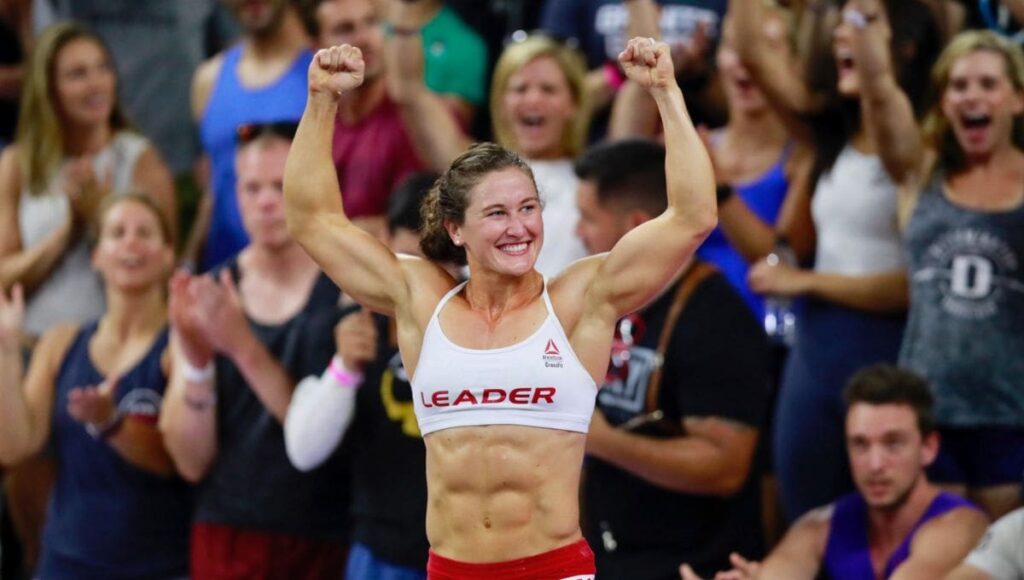
The lower abdominal region is part of the rectus abdominis, a long muscle that extends vertically along the front of the abdomen and is commonly referred to as the “six-pack” muscle. The lower portion of this muscle plays a critical role in stabilizing the pelvis, flexing the spine, and assisting in movements like leg raises and posterior pelvic tilts.
However, due to the direction of muscle fibers and neurological recruitment patterns, targeting the lower abs requires specific movements that emphasize hip flexion and pelvic control. Studies show that while it’s impossible to isolate the lower portion of the rectus abdominis completely, certain exercises can increase activation in this area (Sternlicht et al., 2007).


[wpcode id=”229888″]
Why Training the Lower Abs Matters
A strong lower abdominal section enhances athletic performance, reduces the risk of lower back pain, and contributes to core stability. It also plays a role in functional movements such as squatting, running, and jumping. Weak lower abs can contribute to anterior pelvic tilt, which leads to poor posture and spinal imbalances (Kendall et al., 2005). Moreover, developing the lower abs helps create a balanced, aesthetic midsection that many athletes and physique enthusiasts strive for.
1. Hanging Leg Raises
Execution and Technique
The hanging leg raise is a powerful lower ab exercise that recruits not only the rectus abdominis but also the hip flexors, obliques, and even the lats for stabilization. To perform this movement, hang from a pull-up bar with an overhand grip, allowing your body to form a straight line. Keeping the legs straight or slightly bent, raise them to a point where they are parallel to the ground or higher. Avoid using momentum by engaging the core throughout the entire movement and controlling the descent.
Why It Works
Electromyography (EMG) analysis confirms that hanging leg raises elicit significantly higher activation in the lower abdominal region compared to other abdominal movements (Escamilla et al., 2006). The vertical hanging position also reduces spinal loading, making it a safer alternative to traditional crunches for those with lower back issues.
Variations and Progressions
For beginners, bent-knee raises are a suitable progression. Intermediate athletes can use straight-leg raises, while advanced individuals may perform toes-to-bar or add ankle weights to increase resistance. Incorporating controlled eccentric phases enhances muscle hypertrophy by increasing time under tension.
2. Reverse Crunches
Execution and Technique
To perform the reverse crunch, lie on your back with your hands placed beside your body or under your glutes. Bring your knees toward your chest, then curl your pelvis off the floor by engaging your lower abs. Focus on initiating the movement from the core rather than swinging the legs.
Why It Works
Unlike traditional crunches that primarily work the upper rectus abdominis, reverse crunches shift the emphasis to the lower segment of the muscle. A comparative study by Willardson et al. (2006) revealed that reverse crunches activated the lower abdominal area more effectively than conventional ab exercises. This exercise also minimizes lumbar spine stress, making it ideal for individuals prone to back pain.
Variations and Progressions
Add resistance by holding a medicine ball between your knees or using resistance bands anchored to a low point. Advanced practitioners can perform the movement on a decline bench to increase the intensity. Combining reverse crunches with isometric holds at the top of the movement can further increase time under tension and muscle recruitment.
3. Ab Wheel Rollouts
Execution and Technique
Start in a kneeling position with your hands gripping an ab wheel. Roll the wheel forward, extending your body while maintaining a neutral spine and engaged core. Once you’ve reached a point just before your hips sag or lower back arches, pull the wheel back toward your knees.
Why It Works
Ab wheel rollouts involve significant eccentric loading of the rectus abdominis and deep core muscles. According to a study by Schoenfeld et al. (2014), ab wheel rollouts activate the core muscles more intensely than many traditional floor exercises. This includes a pronounced activation in the lower abdominal region due to the extended position and requirement for anti-extension.
Variations and Progressions
Beginners can start by rolling out to a limited range. As strength improves, full rollouts and standing rollouts become viable. Adding a tempo to the eccentric and concentric phases can magnify the difficulty. Performing the exercise from a standing position greatly increases the demand on the lower abs, making it an advanced variation.
Program Design Considerations
Frequency and Volume
For most trainees, incorporating these exercises 2–3 times per week is sufficient to build strength and definition in the lower abs. Each workout should consist of 3–4 sets per exercise, with repetitions ranging from 8–15 depending on the difficulty level and resistance used. Adequate rest between sets (30–60 seconds) allows for partial recovery without compromising core engagement.
Progressive Overload
To ensure continual adaptation, apply the principle of progressive overload by increasing resistance, volume, or complexity of movement over time. This could mean performing more reps, increasing range of motion, or adding load via ankle weights or resistance bands.
Rest and Recovery
Abdominal muscles recover relatively quickly, but overtraining can hinder progress. Allow at least 48 hours between targeted lower ab sessions. Sleep and nutrition also play essential roles in muscle recovery and hypertrophy.
The Role of Nutrition and Body Fat

No matter how strong your lower abs are, they won’t be visible unless your body fat percentage is sufficiently low. Achieving visible definition requires a caloric deficit, adequate protein intake, and a balanced macronutrient profile. According to Lemon (1991), consuming 1.6–2.2 grams of protein per kilogram of body weight helps preserve lean muscle mass during fat loss phases. Without proper nutritional support, even the most rigorous training will not reveal the underlying musculature.
Addressing Common Mistakes
Using Momentum
One of the most common mistakes in lower ab training is relying on momentum. This often results in poor muscle activation and increased risk of injury. Slowing down the movement and focusing on muscle engagement can significantly improve outcomes.
Poor Pelvic Control
Pelvic tilting is a critical component in lower ab activation. Failure to control the pelvis during exercises like leg raises or reverse crunches limits the recruitment of the target muscles. Practicing posterior pelvic tilts in warm-ups or isometric holds can enhance proprioception and muscular engagement.
Neglecting the Eccentric Phase
Muscle growth and strength gains are heavily influenced by the eccentric (lowering) portion of an exercise. Emphasizing control during this phase increases time under tension and improves hypertrophic response (Roig et al., 2009).
Supplementary Exercises to Enhance Lower Ab Development
Dead Bugs
Dead bugs are excellent for learning pelvic control and core stabilization. They are particularly useful for beginners or as a warm-up for more advanced movements. The coordination required also helps improve neuromuscular connection with the lower abs.
Mountain Climbers
This dynamic movement increases core engagement while elevating heart rate, aiding fat loss. When performed with proper form, mountain climbers also activate the lower abdominal region through repeated hip flexion.
Plank Variations
Standard and dynamic planks, especially those involving knee drives or anterior reaches, challenge the lower abdominal region through anti-extension and dynamic stabilization.
Conclusion
Building iron strong lower abs requires more than occasional crunches. By focusing on biomechanically sound, research-backed exercises such as hanging leg raises, reverse crunches, and ab wheel rollouts, individuals can significantly improve lower abdominal strength and aesthetics. Coupled with proper nutrition, progressive overload, and a consistent training schedule, these exercises provide a powerful toolkit for anyone serious about developing a strong and defined core.
Bibliography
Escamilla, R.F., Babb, E., DeWitt, R., Jew, P., Kelleher, P., Burnham, T., Busch, J. and D’Anna, K., 2006. Electromyographic analysis of traditional and nontraditional abdominal exercises: implications for rehabilitation and training. Journal of Orthopaedic & Sports Physical Therapy, 36(2), pp.45-57.
Kendall, F.P., McCreary, E.K., Provance, P.G., Rodgers, M.M. and Romani, W.A., 2005. Muscles: Testing and Function with Posture and Pain. 5th ed. Baltimore: Lippincott Williams & Wilkins.
Lemon, P.W.R., 1991. Protein and exercise: update. Medicine and Science in Sports and Exercise, 23(6), pp. 685-694.
Roig, M., O’Brien, K., Kirk, G., Murray, R., McKinnon, P., Shadgan, B. and Reid, W.D., 2009. The effects of eccentric versus concentric resistance training on muscle strength and mass in healthy adults: a systematic review with meta-analysis. British Journal of Sports Medicine, 43(8), pp.556-568.
Schoenfeld, B.J., Contreras, B., Vigotsky, A.D., Peterson, M.D. and Sonmez, G.T., 2014. Differential effects of abdominal exercises on core activation and intra-abdominal pressure. Journal of Strength and Conditioning Research, 28(2), pp.389-396.
Sternlicht, E., Rugg, S., Fujii, L.L., Tomomitsu, K.F. and Seki, M.M., 2007. Electromyographic comparison of a stability ball crunch with a traditional crunch. Journal of Strength and Conditioning Research, 21(2), pp.506-509.
Willardson, J.M., Fontana, F.E. and Bressel, E., 2006. Core stability during Swiss ball and traditional abdominal exercises. Journal of Strength and Conditioning Research, 20(4), pp.792-799.
Key Takeaways Table
| Key Insight | Summary |
|---|---|
| Anatomy | Lower abs are part of the rectus abdominis, best activated through hip flexion and pelvic tilting. |
| Top Exercises | Hanging leg raises, reverse crunches, and ab wheel rollouts effectively target lower abs. |
| Training Tips | Use slow, controlled movements; focus on eccentric phases; avoid momentum. |
| Frequency | Train lower abs 2–3 times per week with 3–4 sets per session. |
| Nutrition | Visible abs require low body fat, proper protein intake, and caloric control. |
| Common Mistakes | Avoid swinging, poor pelvic control, and skipping eccentric focus. |
| Supplementary Moves | Dead bugs, mountain climbers, and plank variations enhance lower ab work. |