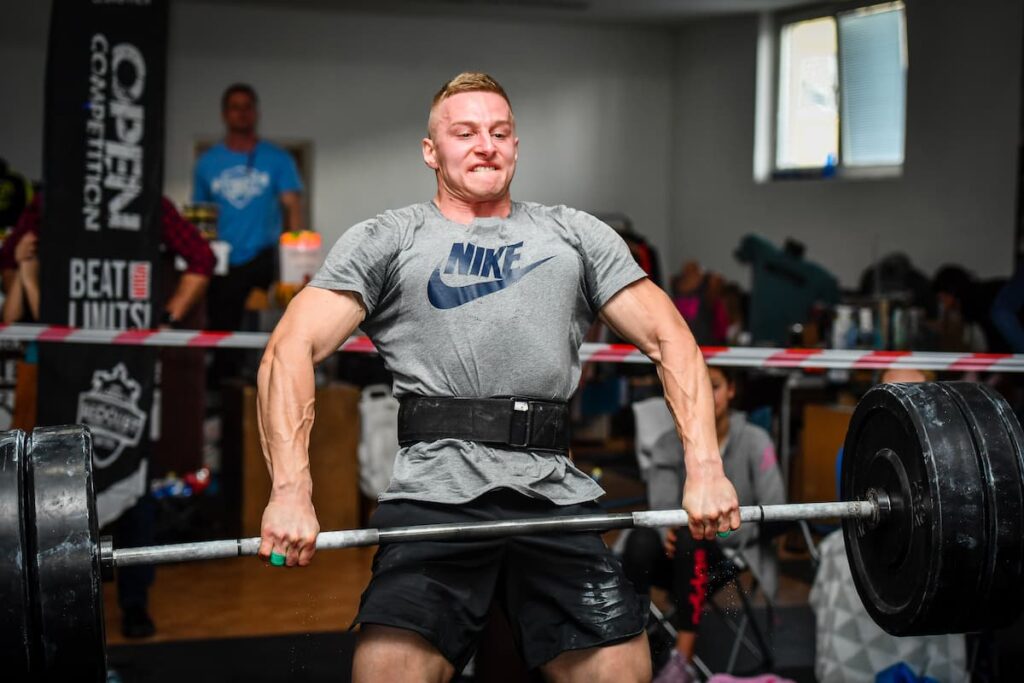
Carbohydrates have long been a topic of debate in the realm of fitness and athletic performance. From the low-carb ketogenic craze to carb-loading endurance athletes, opinions differ widely. However, when it comes to high-intensity training (HIIT), carbohydrates may be one of the most crucial macronutrients for optimizing performance and recovery.
This article explores the scientific basis for carbohydrate consumption in high-intensity exercise, dispelling myths and laying out practical guidelines backed by rigorous research.


What Happens During High-Intensity Training?
High-intensity training, such as sprinting, weightlifting, or interval workouts, primarily relies on anaerobic energy systems. These systems are powered by adenosine triphosphate (ATP), the energy currency of cells, which is rapidly depleted during intense activity. The body replenishes ATP through the phosphagen system and glycolysis, the latter of which depends heavily on glucose derived from carbohydrates.
During HIT, the demand for energy increases exponentially, and the body turns to glycogen, the stored form of glucose in muscles and the liver, as its primary fuel. Glycogen is broken down into glucose and used to regenerate ATP through anaerobic glycolysis. The limited capacity of the phosphagen system makes carbohydrate availability essential for sustaining high performance across repeated efforts.
[wpcode id=”229888″]
Carbohydrates as the Primary Fuel Source
Numerous studies have confirmed that carbohydrates are the most efficient fuel for high-intensity activities. According to Cermak and van Loon (2013), carbohydrate intake before and during exercise improves endurance and performance in both moderate and high-intensity efforts. The rationale is that glucose oxidation yields more ATP per unit of oxygen compared to fat, making it a more efficient fuel when time and intensity are factors.
Furthermore, Ivy et al. (1988) demonstrated that carbohydrate ingestion post-exercise enhances glycogen resynthesis, which is critical for recovery and performance in subsequent sessions. When glycogen stores are not adequately replenished, performance suffers, and the risk of overtraining and injury increases.
The Glycogen Connection
Muscle glycogen acts as a limited reservoir of readily available energy. According to Bergstrom et al. (1967), glycogen depletion is closely associated with fatigue. Once glycogen stores are exhausted, the body must rely more heavily on fat oxidation, which is slower and less efficient, leading to a decline in performance.

For high-intensity training sessions lasting less than 60 minutes, glycogen stores can often meet the energy demands, but if those stores are already depleted due to prior exercise or dietary restriction, performance will suffer. For longer or more frequent sessions, maintaining glycogen levels becomes even more crucial.
Carbohydrate Timing and Performance
The timing of carbohydrate intake significantly impacts performance and recovery. Research by Burke et al. (2001) shows that consuming carbohydrates 3–4 hours before exercise increases liver and muscle glycogen stores, providing a solid foundation for high-intensity efforts.
During prolonged high-intensity sessions, especially those exceeding 60 minutes, ingesting carbohydrates at a rate of 30–60 grams per hour can help maintain blood glucose levels and delay fatigue (Jeukendrup, 2004). For multi-session days or athletes with limited recovery time, carbohydrate intake immediately after exercise—ideally within 30 minutes—is recommended to maximize glycogen resynthesis.
Low-Carb Diets and High-Intensity Performance
While low-carb and ketogenic diets have gained popularity, their effectiveness for high-intensity training is questionable. A study by Burke et al. (2017) found that low-carbohydrate high-fat diets impair high-intensity performance despite increasing fat oxidation. The study observed reduced efficiency and slower performance in elite race walkers who adopted a ketogenic diet.
Another study by Stellingwerff et al. (2006) showed that reducing carbohydrate availability compromises training intensity and capacity. The body can adapt to burning fat for fuel, but this adaptation is better suited for low to moderate-intensity endurance activities, not HIT.
Carbs and Hormonal Balance
Carbohydrates also influence hormonal responses critical for performance and recovery. Insulin, stimulated by carbohydrate intake, plays a role in nutrient uptake and muscle repair. Additionally, low carbohydrate availability can elevate cortisol, a catabolic hormone that breaks down muscle tissue and impairs recovery (Wright et al., 2015).

Maintaining adequate carbohydrate intake supports a more favorable hormonal profile for athletes engaged in high-intensity training. This includes promoting anabolic pathways and reducing stress-induced hormonal disruptions.
Individual Variation and Carb Needs
Not all athletes require the same carbohydrate intake. Factors such as body size, training volume, intensity, and individual metabolism affect needs. The American College of Sports Medicine recommends 5–7 grams of carbohydrate per kilogram of body weight per day for moderate-duration training and 7–10 grams/kg/day for high-volume training (Thomas et al., 2016).
Athletes should experiment with timing, quantity, and sources of carbohydrates to identify what works best for their unique physiology and schedule. Continuous monitoring and adjustment can help maximize performance outcomes.
Quality of Carbohydrates Matters
Not all carbohydrates are created equal. Complex carbohydrates such as whole grains, fruits, and legumes provide sustained energy and are rich in vitamins, minerals, and fiber. These support overall health and long-term performance.
Simple sugars, though quickly absorbed, can be useful immediately before or during intense training sessions when rapid energy is needed. However, reliance on low-nutrient, high-sugar foods outside training windows can lead to blood sugar instability and poor dietary quality.
Practical Guidelines for Athletes
- Pre-Workout: Consume 1–4 grams of carbohydrate per kilogram of body weight 1–4 hours before exercise, depending on personal tolerance and session duration.
- During Exercise: For sessions longer than 60 minutes, consume 30–60 grams of carbohydrate per hour in the form of sports drinks, gels, or easily digestible snacks.
- Post-Workout: Aim for 1.0–1.2 grams of carbohydrate per kilogram of body weight within the first 30 minutes after exercise and continue every hour for 4–6 hours if glycogen restoration is urgent.
- Daily Intake: Adjust carbohydrate intake based on training load. On high-intensity or high-volume days, aim for the upper end of the 7–10 grams/kg/day range.
Misconceptions About Carbohydrates
Despite evidence supporting the role of carbohydrates in performance, misconceptions persist. One is that carbohydrates inherently lead to fat gain. However, weight gain occurs from a caloric surplus, not from carbohydrate intake per se. In fact, active individuals often struggle to meet energy demands without ample carbohydrate intake.
Another myth is that insulin spikes from carbohydrates are always detrimental. In reality, insulin is anabolic and essential for muscle repair and growth post-exercise. The context of the carbohydrate intake—such as around training—is what determines its impact.
Summary
Carbohydrates are unequivocally a friend to high-intensity training. They provide the primary fuel for anaerobic efforts, support recovery through glycogen resynthesis, enhance hormonal balance, and contribute to optimal performance. While dietary trends may fluctuate, the science consistently supports carbohydrates as a cornerstone of high-intensity athletic nutrition. Personalized strategies considering timing, quantity, and quality of carbohydrates will empower athletes to perform at their best.
Bibliography
Bergstrom, J., Hermansen, L., Hultman, E. and Saltin, B. (1967). Diet, muscle glycogen and physical performance. Acta Physiologica Scandinavica, 71(2), pp.140–150.
Burke, L.M., Collier, G.R., Hargreaves, M. (2001). Muscle glycogen storage after prolonged exercise: effect of the glycemic index of carbohydrate feedings. Journal of Applied Physiology, 75(2), pp.1019–1023.
Burke, L.M., Ross, M.L., Garvican-Lewis, L.A., Welvaert, M., Heikura, I.A., Forbes, S.G., Mirtschin, J.G., Cato, L.E., Strobel, N., Sharma, A.P. and Hawley, J.A. (2017). Low carbohydrate, high fat diet impairs exercise economy and negates the performance benefit from intensified training in elite race walkers. Journal of Physiology, 595(9), pp.2785–2707.
Cermak, N.M. and van Loon, L.J. (2013). The use of carbohydrates during exercise as an ergogenic aid. Sports Medicine, 43(11), pp.1139–1155.
Ivy, J.L., Katz, A.L., Cutler, C.L., Sherman, W.M. and Coyle, E.F. (1988). Muscle glycogen synthesis after exercise: effect of time of carbohydrate ingestion. Journal of Applied Physiology, 64(4), pp.1480–1485.
Jeukendrup, A.E. (2004). Carbohydrate intake during exercise and performance. Nutrition, 20(7-8), pp.669–677.
Stellingwerff, T., Boit, M.K. and Res, P. (2006). Nutritional strategies to optimize training and racing in middle-distance athletes. Journal of Sports Sciences, 25(sup1), pp.S17–S28.
Thomas, D.T., Erdman, K.A. and Burke, L.M. (2016). Position of the Academy of Nutrition and Dietetics, Dietitians of Canada, and the American College of Sports Medicine: Nutrition and athletic performance. Journal of the Academy of Nutrition and Dietetics, 116(3), pp.501–528.
Wright, D.C., Han, D.H., Garcia-Roves, P.M., Geiger, P.C., Jones, T.E. and Holloszy, J.O. (2015). Exercise-induced mitochondrial biogenesis begins before the increase in muscle PGC-1α expression. Journal of Biological Chemistry, 282(1), pp.194–200.