Nutrition advice is everywhere, from social media influencers to bestselling diet books, often leading to confusion and misinformation. Many of these claims are based on outdated science, misinterpreted studies, or anecdotal evidence rather than robust research. Misconceptions can influence dietary habits, hinder progress, and even harm long-term health.
In this article, we tackle ten of the most pervasive nutrition myths and break them down with evidence-based insights. Whether you’re an athlete, health enthusiast, or simply aiming to make better dietary choices, this guide will help you separate fact from fiction.


[wpcode id=”229888″]
Myth 1: Carbohydrates Make You Fat
Carbohydrates have been unfairly demonized, especially by low-carb diet proponents. While excessive calorie intake can lead to weight gain, blaming carbohydrates alone oversimplifies the issue. Carbohydrates are the body’s primary energy source and are essential for optimal brain function, muscle recovery, and hormone regulation.
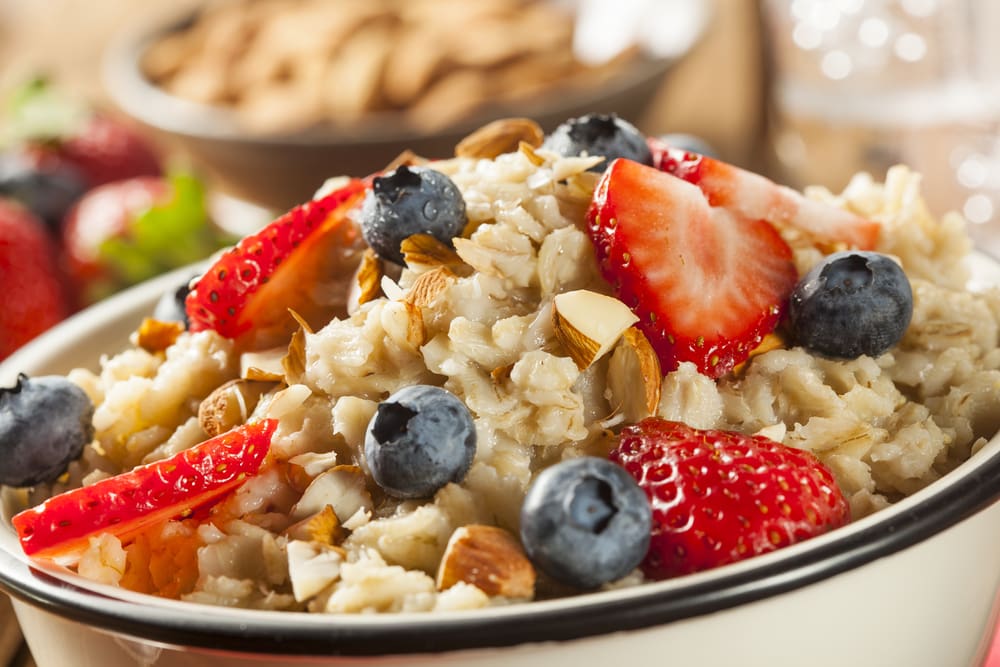
Multiple studies have found no significant difference in weight loss between low-carb and balanced diets when calories and protein are matched (Johnston et al., 2014). Moreover, whole-food carbohydrate sources like fruits, vegetables, and whole grains are associated with better weight control and reduced risk of chronic disease (Aune et al., 2016).
Myth 2: Eating Fat Makes You Fat
This myth persists due to the calorie-dense nature of fat—9 calories per gram compared to 4 in carbohydrates and protein. However, dietary fat is essential for absorbing fat-soluble vitamins (A, D, E, and K), producing hormones, and supporting cell membranes. Numerous randomized controlled trials have demonstrated that diets higher in healthy fats, such as the Mediterranean diet, do not lead to greater fat gain and may actually support weight loss and cardiovascular health (Estruch et al., 2013). The type of fat matters: monounsaturated and polyunsaturated fats are beneficial, whereas trans fats are harmful.
Myth 3: High-Protein Diets Damage Your Kidneys
This myth stems from the caution that people with pre-existing kidney disease should moderate protein intake. However, in healthy individuals, high-protein diets do not impair kidney function. Research by Poortmans and Dellalieux (2000) demonstrated that protein intake above the RDA had no harmful effect on kidney function in athletes. A comprehensive review by Martin et al. (2005) supported the safety of high-protein diets for healthy individuals, noting no adverse effects on kidney health in multiple studies.
Myth 4: Detox Diets Cleanse Your Body
Detox diets and products claim to eliminate toxins, but they lack scientific support. The human body has an efficient detoxification system involving the liver, kidneys, lungs, and skin. Studies show no credible evidence that detox programs enhance this process. For example, Klein and Kiat (2015) found no compelling scientific data supporting commercial detox diets for weight management or toxin elimination.

Instead, maintaining a balanced diet with sufficient fiber, fluids, and nutrients supports the body’s natural detoxification.
Myth 5: You Need to Eat Every 2-3 Hours to Boost Metabolism
Frequent small meals are often promoted for “stoking the metabolic fire,” but total calorie intake matters more than meal frequency. Research comparing frequent small meals to fewer larger meals found no significant difference in resting metabolic rate or fat loss (Taylor and Garrow, 2001). Additionally, intermittent fasting regimens, which often involve extended periods without food, have shown favorable effects on insulin sensitivity, weight control, and metabolic health (Patterson et al., 2015). Meal timing should be individualized based on lifestyle, hunger cues, and training demands.
Myth 6: All Calories Are Equal
While a calorie is a unit of energy, not all calories have the same effect on metabolism, satiety, and hormonal responses. For example, 100 calories of processed sugar differs drastically from 100 calories of protein in terms of thermic effect, satiety, and nutrient density. Protein has a higher thermic effect (20-30%) compared to carbs (5-10%) and fat (0-3%) (Halton and Hu, 2004). Also, ultra-processed foods are less satiating and easier to overconsume than whole foods. Therefore, food quality matters as much as quantity when it comes to health and weight management.
Myth 7: Natural Sugar Is Better Than Added Sugar
The body processes sugar—whether from honey, agave, or table sugar—in largely the same way. Natural sugars from whole fruits come with fiber, vitamins, and antioxidants, which moderate blood sugar response and provide nutritional benefits. However, natural sweeteners used in isolation, like honey or maple syrup, still contribute to excess sugar intake.
According to the American Heart Association, both added and excessive natural sugars should be limited to reduce the risk of obesity, type 2 diabetes, and cardiovascular disease (Johnson et al., 2009).
Myth 8: Gluten-Free Is Healthier for Everyone
Going gluten-free is essential for individuals with celiac disease or gluten sensitivity, but there is no evidence that gluten-free diets offer health benefits for the general population. In fact, many gluten-free processed foods are lower in fiber, vitamins, and minerals and may contain more sugar and fat to compensate for texture and flavor.
A study by Gaesser and Angadi (2012) concluded that eliminating gluten unnecessarily could lead to nutritional deficiencies and does not promote better health in people without celiac disease.
Myth 9: You Should Avoid Eating at Night
The idea that eating at night automatically causes weight gain lacks nuance. What and how much you eat matters more than when you eat. While late-night eating is associated with weight gain in some observational studies, this is often due to increased calorie intake or poor food choices, not meal timing itself.
Controlled studies, such as those by Madjd et al. (2016), have shown that meal timing can influence circadian rhythms and metabolic markers, but late meals do not inherently lead to weight gain when total calories are controlled. Athletes and shift workers may benefit from flexible eating schedules that suit their energy needs.
Myth 10: Supplements Are Necessary for Optimal Health
Supplements can help fill specific nutritional gaps but are not a substitute for a balanced diet. Overreliance on supplements may lead people to neglect whole foods, which offer synergistic benefits from a matrix of nutrients.
The U.S. Preventive Services Task Force (Moyer, 2014) found insufficient evidence to support routine multivitamin use for preventing chronic disease in healthy adults. Supplements like vitamin D, B12 (for vegans), or iron (for menstruating women) may be needed in certain populations, but individualized assessment is essential.
Key Takeaways Table
| Myth | Reality |
|---|---|
| Carbs make you fat | Carbohydrates are essential; weight gain is about total calorie surplus. |
| Eating fat makes you fat | Healthy fats support overall well-being and don’t inherently cause fat gain. |
| High-protein diets harm kidneys | Safe for healthy individuals; no evidence of kidney damage. |
| Detox diets are effective | Body naturally detoxifies; no scientific support for detox diets. |
| Frequent meals boost metabolism | Meal frequency doesn’t significantly impact metabolic rate. |
| All calories are equal | Food quality affects metabolism, satiety, and health outcomes. |
| Natural sugar is better | Excess sugar, regardless of source, should be limited. |
| Gluten-free is healthier for all | Only necessary for those with gluten intolerance or celiac disease. |
| Avoid eating at night | Timing less important than total intake and food quality. |
| Supplements are essential | Useful for some; not a replacement for a nutritious diet. |
Bibliography
Aune, D., Keum, N., Giovannucci, E., Fadnes, L.T., Boffetta, P., Greenwood, D.C., Tonstad, S., Vatten, L.J., Riboli, E. and Norat, T., 2016. Whole grain consumption and risk of cardiovascular disease, cancer, and all cause and cause specific mortality: systematic review and dose-response meta-analysis of prospective studies. BMJ, 353, p.i2716.
Estruch, R., Ros, E., Salas-Salvadó, J., Covas, M.I., Corella, D., Arós, F., Gómez-Gracia, E., Ruiz-Gutiérrez, V., Fiol, M., Lapetra, J. and Lamuela-Raventós, R.M., 2013. Primary prevention of cardiovascular disease with a Mediterranean diet. New England Journal of Medicine, 368(14), pp.1279-1290.
Gaesser, G.A. and Angadi, S.S., 2012. Gluten-free diet: imprudent dietary advice for the general population?. Journal of the Academy of Nutrition and Dietetics, 112(9), pp.1330-1333.
Halton, T.L. and Hu, F.B., 2004. The effects of high protein diets on thermogenesis, satiety and weight loss: a critical review. Journal of the American College of Nutrition, 23(5), pp.373-385.
Johnson, R.K., Appel, L.J., Brands, M., Howard, B.V., Lefevre, M., Lustig, R.H., Sacks, F., Steffen, L.M. and Wylie-Rosett, J., 2009. Dietary sugars intake and cardiovascular health: a scientific statement from the American Heart Association. Circulation, 120(11), pp.1011-1020.
Johnston, B.C., Kanters, S., Bandayrel, K., Wu, P., Naji, F., Siemieniuk, R.A., Ball, G.D., Busse, J.W., Thorlund, K., Guyatt, G. and Jansen, J.P., 2014. Comparison of weight loss among named diet programs in overweight and obese adults: a meta-analysis. JAMA, 312(9), pp.923-933.
Klein, A.V. and Kiat, H., 2015. Detox diets for toxin elimination and weight management: a critical review of the evidence. Journal of Human Nutrition and Dietetics, 28(6), pp.675-686.
Madjd, A., Taylor, M.A., Delavari, A., Malekzadeh, R. and Macdonald, I.A., 2016. Beneficial effects of a higher-protein breakfast on the postprandial glucose response in overweight women. British Journal of Nutrition, 115(4), pp.584-591.
Martin, W.F., Armstrong, L.E. and Rodriguez, N.R., 2005. Dietary protein intake and renal function. Nutrition & Metabolism, 2(1), p.25.
Moyer, V.A., 2014. Vitamin, mineral, and multivitamin supplements for the primary prevention of cardiovascular disease and cancer: US Preventive Services Task Force recommendation statement. Annals of Internal Medicine, 160(8), pp.558-564.
Patterson, R.E., Laughlin, G.A., LaCroix, A.Z., Hartman, S.J., Natarajan, L., Senger, C.M., Martínez, M.E., Villaseñor, A., Sears, D.D., Marinac, C.R. and Gallo, L.C., 2015. Intermittent fasting and human metabolic health. Journal of the Academy of Nutrition and Dietetics, 115(8), pp.1203-1212.
Poortmans, J.R. and Dellalieux, O., 2000. Do regular high protein diets have potential health risks on kidney function in athletes?. International Journal of Sport Nutrition and Exercise Metabolism, 10(1), pp.28-38.
Taylor, M.A. and Garrow, J.S., 2001. Comparison of two dietary treatments for obesity: a review. International Journal of Obesity, 25(5), pp.608-615.