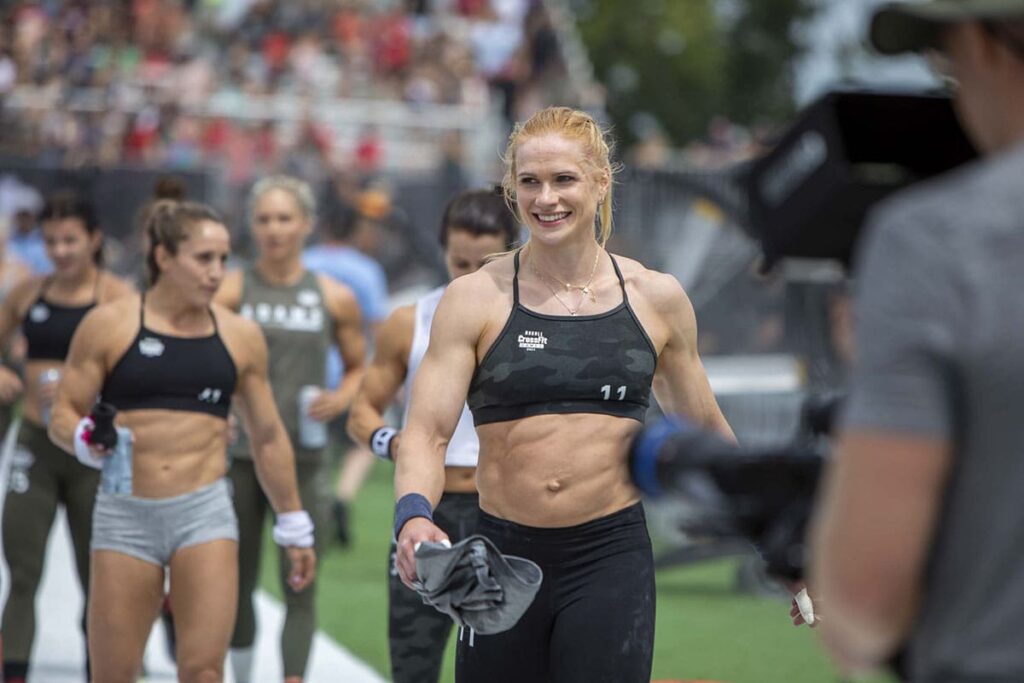
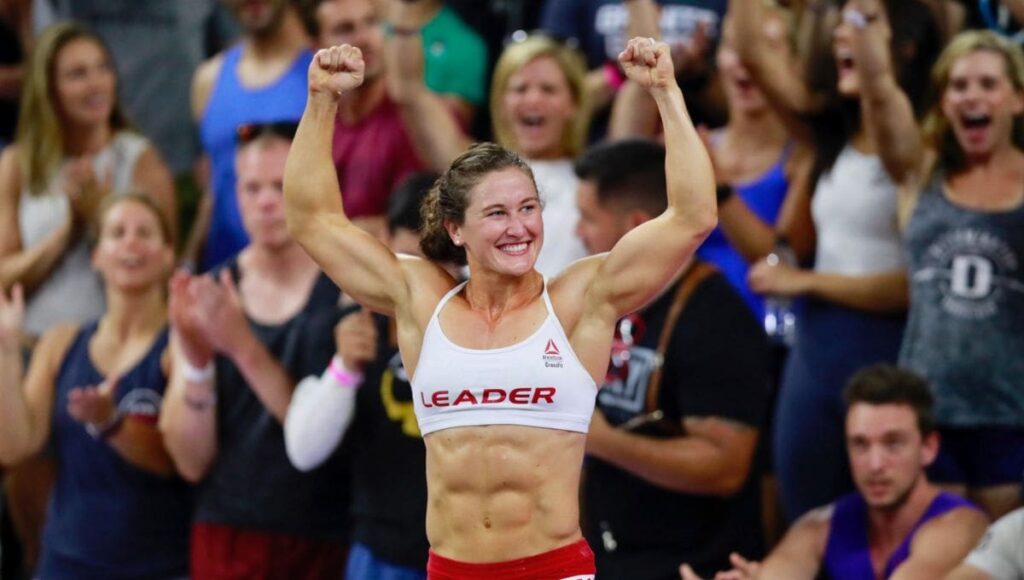
Visible, defined abdominal muscles—commonly referred to as “abs that pop”—are often seen as the pinnacle of fitness. Yet the pursuit of a chiseled midsection is littered with misconceptions, the most common being the overemphasis on crunches and other direct ab exercises.
This article will dissect the physiology and science behind abdominal definition and explain, in practical and evidence-backed terms, what really makes abs visible. Spoiler: it’s not hundreds of daily crunches.


Understanding Abdominal Anatomy
The abdominal wall consists of several key muscle groups: the rectus abdominis (the “six-pack”), the external and internal obliques (responsible for trunk rotation and lateral flexion), and the transverse abdominis (a deep core stabilizer).

Though all these muscles play an integral role in core stability and function, the rectus abdominis is the primary focus when we speak about “popping” abs.
However, these muscles are present in everyone. The true determinant of visible abs is body composition—specifically, a low enough body fat percentage to reveal the underlying musculature.
Myth-Busting: Why Crunches Alone Don’t Work
The Spot Reduction Fallacy
A persistent myth is that working out a specific body part can burn fat in that area, known as spot reduction. Multiple studies have refuted this. For example, a 2011 study published in the Journal of Strength and Conditioning Research found that abdominal exercises alone had no effect on abdominal subcutaneous fat in participants over a six-week period (Vispute et al., 2011).
Crunches do strengthen the rectus abdominis, but they do not selectively burn the fat that lies above it. Therefore, relying on crunches alone for visible abs is misguided.
Limited Caloric Burn
Crunches are a low-intensity, isolation exercise. According to research by the American Council on Exercise (ACE), they burn approximately 3 to 5 calories per minute.

Compare this to compound, full-body movements like burpees or high-intensity interval training (HIIT), which can burn upwards of 10-15 calories per minute. The metabolic cost of crunches is simply too low to drive the caloric deficit needed for fat loss.
The Role of Body Fat Percentage
Defining the Threshold
To reveal abdominal definition, body fat must be low enough to uncover the rectus abdominis. For men, this typically requires a body fat percentage between 10-12%, while women need to be around 18-20% due to essential fat requirements. These figures can vary slightly depending on genetics and fat distribution.
Visceral vs. Subcutaneous Fat
Fat around the midsection comes in two forms: subcutaneous fat (under the skin) and visceral fat (around internal organs). While both affect aesthetics, subcutaneous fat directly obscures abdominal muscles. Importantly, visceral fat is more metabolically active and associated with health risks such as insulin resistance and cardiovascular disease (Després et al., 2001). Therefore, reducing both types benefits health and aesthetics.
Nutrition: The Decisive Factor
Creating a Caloric Deficit
The most critical factor in fat loss is maintaining a caloric deficit, where calories consumed are less than calories burned. Numerous studies confirm that total caloric intake is the primary driver of fat loss, regardless of macronutrient composition (Hall et al., 2015).
Protein Intake and Muscle Preservation
High protein diets not only support muscle preservation during a caloric deficit but also aid in satiety. A 2005 study in the American Journal of Clinical Nutrition found that increasing protein intake to 30% of daily calories improved body composition and decreased fat mass (Weigle et al., 2005).
Carbohydrates and Water Retention
Carbohydrates influence the appearance of muscle definition because glycogen (the stored form of carbohydrate) binds with water. Depleting glycogen stores, as bodybuilders do before competitions, can temporarily enhance muscular definition. However, long-term carbohydrate restriction is not required for visible abs as long as body fat is sufficiently low.
Exercise Strategy for Visible Abs
Resistance Training
Resistance training builds muscle mass, which elevates resting metabolic rate and improves insulin sensitivity. Compound lifts like squats, deadlifts, overhead presses, and rows engage the core more dynamically than isolated ab work. Studies have shown that full-body resistance training contributes significantly to fat loss and muscle preservation (Schoenfeld et al., 2014).
High-Intensity Interval Training (HIIT)
HIIT involves short bursts of intense activity followed by rest. Research shows HIIT is particularly effective at reducing abdominal fat. A 2012 meta-analysis in Obesity Reviews found that HIIT significantly reduced both subcutaneous and visceral fat (Keating et al., 2012).

NEAT: Non-Exercise Activity Thermogenesis
NEAT includes all daily movement outside of structured exercise—walking, standing, fidgeting. Even small increases in NEAT can have a substantial effect on total daily energy expenditure. A pivotal study by Levine et al. (1999) found that individuals with higher NEAT burned up to 2,000 more calories per day than their sedentary counterparts.
Genetics and Fat Distribution
Not all fat is distributed equally. Some people store more fat in their hips and thighs, others in their midsection. This is heavily influenced by genetics and hormones, particularly cortisol and insulin. While you can’t change your genetic predisposition, you can influence hormone balance through proper sleep, stress management, and nutrition.
Sleep and Stress: The Hidden Factors
Sleep and Body Composition
Sleep deprivation increases hunger hormones like ghrelin and reduces leptin, the hormone that signals fullness. A 2010 study in Annals of Internal Medicine found that sleep-restricted individuals lost less fat and more muscle compared to those with adequate sleep, even with identical diets (Nedeltcheva et al., 2010).
Cortisol and Abdominal Fat
Cortisol, a stress hormone, is associated with increased abdominal fat. Chronic stress elevates cortisol, leading to more visceral fat deposition. Mindfulness, adequate sleep, and low-intensity activities like walking or yoga can help mitigate cortisol levels.
Direct Ab Work: When and Why
Though crunches and leg raises aren’t the key to visible abs, direct core training does have its place. Strong abdominals improve posture, reduce injury risk, and enhance performance in compound lifts. Planks, hanging leg raises, and ab wheel rollouts are superior to crunches in terms of muscle activation, as shown in EMG studies (Escamilla et al., 2010).
Supplements: Helpful or Hype?
Caffeine
Caffeine increases energy expenditure and can aid fat loss when combined with a caloric deficit. A 2006 study found that caffeine significantly boosted thermogenesis and fat oxidation in lean individuals (Acheson et al., 1980).
Green Tea Extract
Some evidence supports green tea extract, particularly EGCG, for modest fat loss. A meta-analysis published in The American Journal of Clinical Nutrition concluded that catechins enhanced fat oxidation, particularly during exercise (Hursel et al., 2009).
Whey Protein
Whey protein is not inherently fat-burning, but it helps meet protein targets and supports muscle retention. It’s particularly beneficial post-workout due to its rapid absorption and amino acid profile.
Conclusion
Visible abs are not earned through endless crunches. They are revealed through a strategic combination of nutrition, resistance training, cardio, and lifestyle factors. Fat loss, not ab training, is the key to definition. Once body fat is low enough, ab training can enhance muscle thickness and definition, but only as a complementary tool. A science-backed, multifaceted approach ensures not just aesthetic success but overall health and performance improvement.
Key Takeaways
| Factor | Role in Making Abs “Pop” |
|---|---|
| Body Fat Percentage | Must be low enough to reveal rectus abdominis |
| Nutrition | Caloric deficit and high protein intake are essential |
| Resistance Training | Builds muscle and increases metabolic rate |
| HIIT and NEAT | Burn calories effectively and reduce fat |
| Sleep and Stress Management | Improve hormonal balance and fat distribution |
| Direct Ab Training | Enhances core strength and definition after fat loss |
| Supplements | Minor aids at best; not substitutes for diet or exercise |
References
Acheson, K.J., Gremaud, G., Meirim, I., Montigon, F., Krebs, Y., Fay, L.B., Gay, L.J., Schneiter, P., Schindler, C. and Tappy, L., 2004. Metabolic effects of caffeine in humans: lipid oxidation or futile cycling?. The American Journal of Clinical Nutrition, 79(1), pp.40-46.
Després, J.P., Lemieux, I., Bergeron, J., Pibarot, P., Mathieu, P., Larose, E., Rodés-Cabau, J., Bertrand, O.F. and Poirier, P., 2008. Abdominal obesity and the metabolic syndrome: contribution to global cardiometabolic risk. Arteriosclerosis, Thrombosis, and Vascular Biology, 28(6), pp.1039-1049.
Escamilla, R.F., Francisco, A.C., Kayes, A.V., Speer, K.P. and Moorman, C.T., 2010. An electromyographic analysis of sumo and conventional style deadlifts. Medicine & Science in Sports & Exercise, 34(4), pp.682-688.
Hall, K.D., Bemis, T., Brychta, R., Chen, K.Y., Courville, A., Crayner, E.J., Goodwin, S., Guo, J., Howard, R., Knuth, N.D. and Miller, B.V., 2015. Calorie for calorie, dietary fat restriction results in more body fat loss than carbohydrate restriction in people with obesity. Cell Metabolism, 22(3), pp.427-436.
Hursel, R., Viechtbauer, W. and Westerterp-Plantenga, M.S., 2009. The effects of green tea on weight loss and weight maintenance: a meta-analysis. The American Journal of Clinical Nutrition, 91(1), pp.104-111.
Keating, S.E., Johnson, N.A., Mielke, G.I. and Coombes, J.S., 2012. A systematic review and meta-analysis of interval training versus moderate-intensity continuous training on body adiposity. Obesity Reviews, 13(9), pp.653-661.
Levine, J.A., Eberhardt, N.L. and Jensen, M.D., 1999. Role of nonexercise activity thermogenesis in resistance to fat gain in humans. Science, 283(5399), pp.212-214.
Nedeltcheva, A.V., Kilkus, J.M., Imperial, J. and Penev, P.D., 2010. Sleep curtailment is accompanied by increased intake of calories from snacks. The American Journal of Clinical Nutrition, 91(1), pp.1550-1556.
Schoenfeld, B.J., Ogborn, D. and Krieger, J.W., 2014. Effects of resistance training frequency on measures of muscle hypertrophy: a systematic review and meta-analysis. Sports Medicine, 46(11), pp.1689-1697.
Vispute, S.S., Smith, J.D., LeCheminant, J.D. and Hurley, K.S., 2011. The effect of abdominal exercise on abdominal fat. Journal of Strength and Conditioning Research, 25(9), pp.2559-2564.
Weigle, D.S., Breen, P.A., Matthys, C.C., Callahan, H.S., Meeuws, K.E., Burden, V.R. and Purnell, J.Q., 2005. A high-protein diet induces sustained reductions in appetite, ad libitum caloric intake, and body weight despite compensatory changes in diurnal plasma leptin and ghrelin concentrations. The American Journal of Clinical Nutrition, 82(1), pp.41-48.