When it comes to fat loss, a question that frequently emerges in gyms and fitness forums alike is: cardio or weights? Each has its fervent supporters and apparent scientific backing. But which is truly more effective for shedding fat? To answer that, we must dive into the science of energy expenditure, muscle metabolism, hormonal influence, and real-world applications.
Understanding Fat Loss
Fat loss fundamentally boils down to one principle: a caloric deficit. This means burning more calories than you consume. Both cardio and weight training contribute to this energy expenditure in different ways. However, their roles in fat loss extend beyond just calories burned during a workout.


The Mechanics of Cardio for Fat Loss
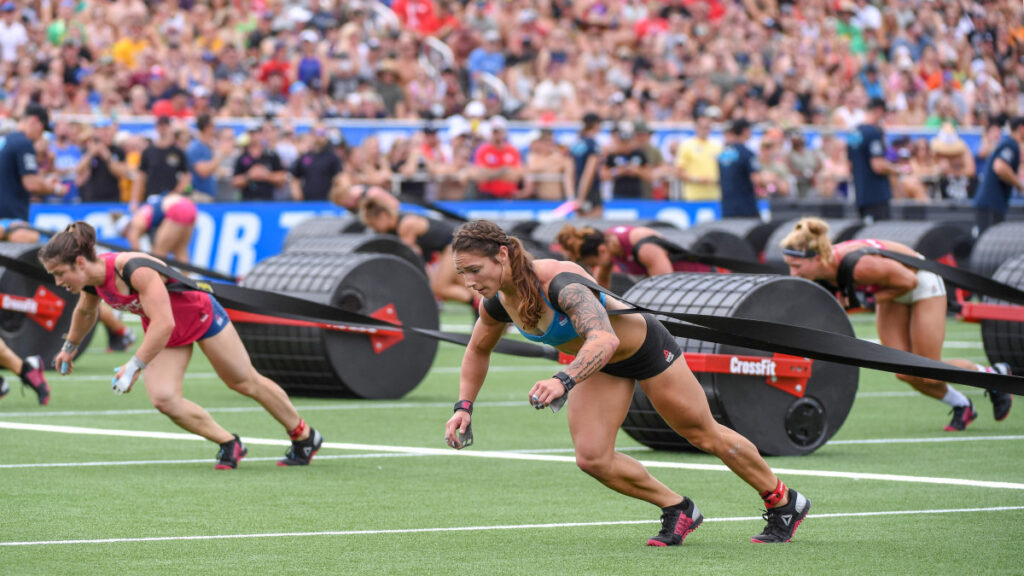
Cardio, short for cardiovascular exercise, includes activities like running, cycling, swimming, and rowing. These exercises primarily rely on aerobic metabolism, where the body uses oxygen to convert glucose and fat into energy.
Caloric Burn and Cardio
One of the key arguments in favor of cardio for fat loss is the high caloric burn during the activity. For instance, running at a moderate pace can burn approximately 600-800 calories per hour depending on body weight and intensity. A study by Ainsworth et al. (2011) compiled MET (Metabolic Equivalent of Task) values for various activities, showing that cardio exercises generally yield high caloric expenditure during the workout session.

Cardiovascular Adaptations
Regular cardio enhances heart and lung capacity, improves circulation, and increases the efficiency of oxygen usage. These adaptations may not directly burn fat, but they support longer and more intense sessions, indirectly contributing to higher caloric burn over time.
Impact on Appetite and Hormones
Some studies suggest cardio may help regulate appetite. For example, King et al. (2009) found that moderate-intensity aerobic exercise can reduce appetite hormones such as ghrelin temporarily, which may help maintain a caloric deficit.
The Role of Weight Training in Fat Loss
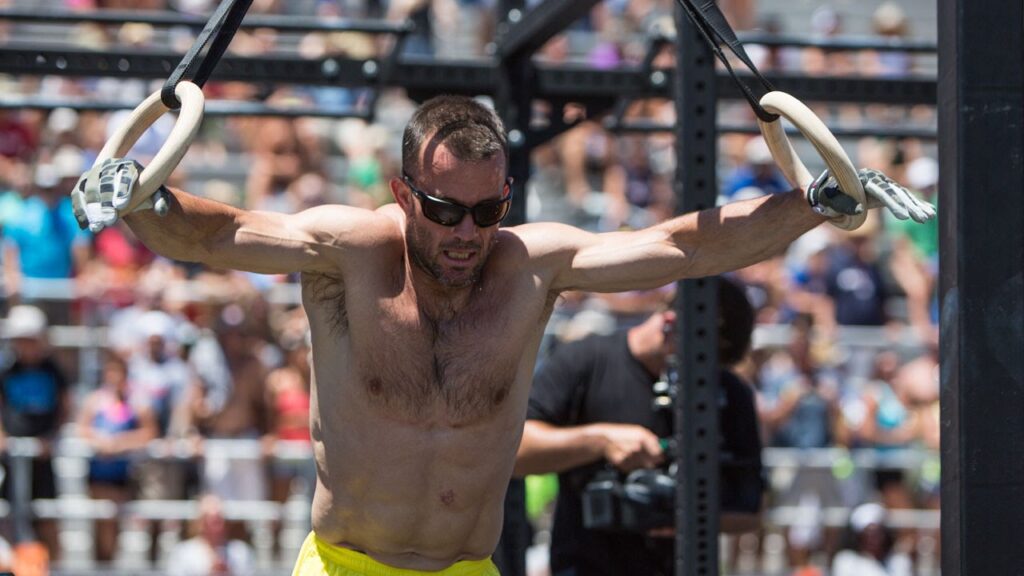
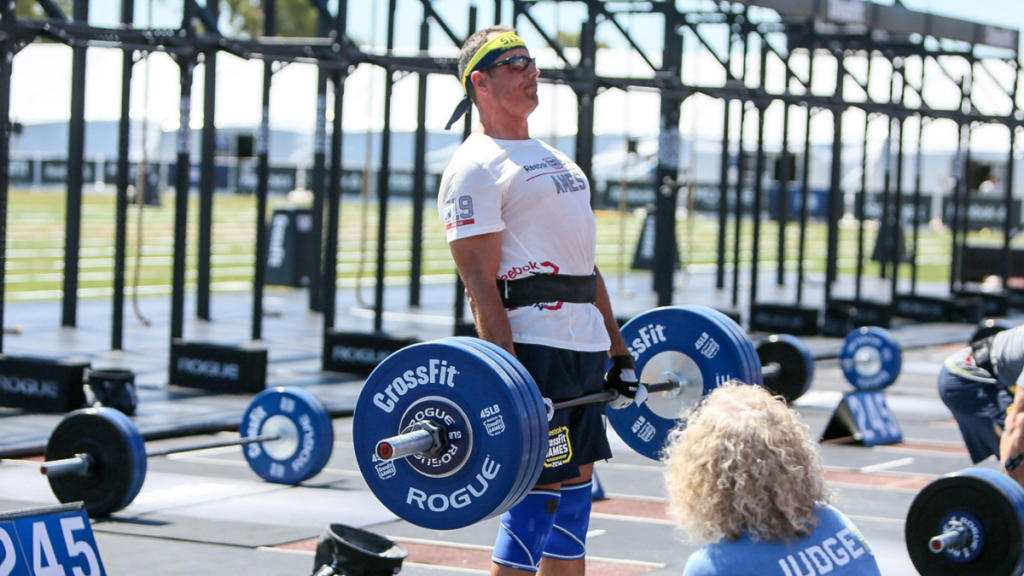
Weight training, also known as resistance training, involves exercises that cause muscles to contract against an external resistance. This includes lifting weights, using resistance bands, or even bodyweight training.
Caloric Burn and EPOC
Weight training typically burns fewer calories during the session compared to cardio. For example, a moderate session may burn around 200-400 calories per hour. However, the advantage lies in excess post-exercise oxygen consumption (EPOC), often referred to as the “afterburn effect.”
A study by Schuenke et al. (2002) showed that EPOC can significantly elevate metabolism for up to 38 hours post-weight training. This means the body continues to burn calories long after the workout has ended.
Muscle Mass and Resting Metabolic Rate
Muscle tissue is metabolically active. The more lean mass you have, the higher your resting metabolic rate (RMR). Campbell et al. (1994) demonstrated that individuals who engaged in regular resistance training saw a significant increase in fat-free mass and RMR. This means weight training indirectly supports fat loss by making your body more efficient at burning calories even at rest.
Hormonal Effects
Resistance training stimulates the release of anabolic hormones like testosterone and growth hormone. Kraemer et al. (1990) found that these hormonal surges contribute to muscle growth and fat oxidation. In contrast to cardio, which may reduce muscle mass under prolonged caloric deficits, weight training helps preserve and even build muscle during fat loss phases.

Comparing Cardio and Weights: Head-to-Head
When comparing cardio and weight training, it’s important to examine their effects not only in isolation but also in combination.
Study: Aerobic vs. Resistance vs. Combined Training
A pivotal study by Willis et al. (2012) compared the effects of aerobic training, resistance training, and a combination of both on body composition in overweight individuals. The results showed that aerobic training led to the greatest weight loss, but the combination group experienced the most significant fat loss and improved body composition. Resistance training alone improved lean body mass but resulted in less weight loss compared to aerobic or combined training.
Long-Term Sustainability
Weight training often leads to better adherence over time due to its varied structure, focus on progressive overload, and visible strength gains. Conversely, cardio can become monotonous and may not yield visible changes beyond endurance.
The Best Approach: Integration and Individualization
Rather than viewing cardio and weight training as opposing methods, the most effective fat loss strategies integrate both. The optimal ratio depends on individual preferences, goals, and physical limitations.
For Beginners
A balanced program of three days of weight training and two days of moderate cardio can be effective. This helps build foundational strength while encouraging steady fat loss.
For Advanced Lifters
Emphasizing resistance training with strategic incorporation of high-intensity interval training (HIIT) or steady-state cardio can accelerate fat loss without compromising muscle mass.
For Endurance Athletes
Incorporating resistance training can help maintain muscle mass and prevent injuries while supporting fat oxidation and improving overall metabolic health.

Special Considerations
Gender Differences
Men and women may respond differently to exercise modalities. A study by Melby et al. (1993) indicated that men experience a higher EPOC after resistance training than women, possibly due to higher lean muscle mass. However, both genders benefit significantly from a combined approach.
Age-Related Factors
Aging is associated with sarcopenia (loss of muscle mass), making resistance training particularly important for older adults aiming for fat loss. Fiatarone et al. (1990) found that even frail elderly individuals can gain muscle and lose fat through weight training.
Final Verdict
So, which is better for fat loss: cardio or weights? The answer isn’t black and white. Cardio is efficient for immediate calorie burn and improving cardiovascular health, while weight training is superior for building muscle, boosting resting metabolism, and sustaining long-term fat loss. The synergy of both, tailored to the individual’s goals and preferences, produces the best results.
Bibliography
Ainsworth, B.E., Haskell, W.L., Herrmann, S.D., Meckes, N., Bassett, D.R., Tudor-Locke, C., Greer, J.L., Vezina, J., Whitt-Glover, M.C. and Leon, A.S., 2011. 2011 Compendium of Physical Activities: a second update of codes and MET values. Medicine and Science in Sports and Exercise, 43(8), pp.1575-1581.
Campbell, W.W., Crim, M.C., Young, V.R. and Evans, W.J., 1994. Increased energy requirements and changes in body composition with resistance training in older adults. The American Journal of Clinical Nutrition, 60(2), pp.167-175.
Fiatarone, M.A., Marks, E.C., Ryan, N.D., Meredith, C.N., Lipsitz, L.A. and Evans, W.J., 1990. High-intensity strength training in nonagenarians: Effects on skeletal muscle. JAMA, 263(22), pp.3029-3034.
King, N.A., Caudwell, P.P., Hopkins, M., Byrne, N.M., Colley, R., Hills, A.P., Blundell, J.E. and Stubbs, R.J., 2009. Metabolic and behavioral compensatory responses to exercise interventions: studies of food intake, energy balance, and body composition. Obesity Reviews, 10(1), pp.68-77.
Kraemer, W.J., Marchitelli, L., Gordon, S.E., Harman, E., Dziados, J.E., Mello, R., Frykman, P., McCurry, D. and Fleck, S.J., 1990. Hormonal and growth factor responses to heavy resistance exercise protocols. Journal of Applied Physiology, 69(4), pp.1442-1450.
Melby, C., Scholl, C., Edwards, G. and Bullough, R., 1993. Effect of acute resistance exercise on postexercise energy expenditure and resting metabolic rate. Journal of Applied Physiology, 75(4), pp.1847-1853.
Schuenke, M.D., Mikat, R.P. and McBride, J.M., 2002. Effect of an acute period of resistance exercise on excess post-exercise oxygen consumption: implications for body mass management. European Journal of Applied Physiology, 86(5), pp.411-417.
Willis, L.H., Slentz, C.A., Bateman, L.A., Shields, A.T., Piner, L.W., Bales, C.W., Houmard, J.A. and Kraus, W.E., 2012. Effects of aerobic and/or resistance training on body mass and fat mass in overweight or obese adults. Journal of Applied Physiology, 113(12), pp.1831-1837.
Key Takeaways Table
| Key Point | Summary |
|---|---|
| Fat Loss Basics | Requires a consistent caloric deficit regardless of method |
| Cardio Benefits | High immediate calorie burn, cardiovascular health improvement |
| Weights Benefits | Muscle preservation, increased metabolism via EPOC and RMR |
| Best Results | Achieved through a combination of cardio and resistance training |
| Hormonal Response | Weight training boosts anabolic hormones aiding fat oxidation |
| Sustainability | Resistance training may support better long-term adherence |
| Gender/Age Impact | Customization needed as response varies by gender and age |
| Recommendation | Integrate both methods tailored to individual goals |