Visible abdominal muscles, often called “abs,” are one of the most sought-after fitness goals. Achieving them requires a disciplined combination of targeted training, strategic nutrition, and overall lifestyle management.
While training builds the muscles of the core, it is a well-known adage that “abs are made in the kitchen.” This article presents 10 scientifically-supported foods that can accelerate fat loss and contribute to revealing your abdominal muscles.


Each food listed has been selected based on its nutrient profile, metabolic impact, and supporting research. This guide is aimed at anyone looking to reduce abdominal fat and expose a well-defined core through optimized nutrition.
1. Eggs

Protein Powerhouse
Eggs are one of the highest quality sources of protein available, containing all nine essential amino acids. High-protein diets have consistently shown greater fat loss outcomes compared to low-protein diets. In a study conducted by Leidy et al. (2015), increased protein intake led to reduced body fat and improved lean body mass.
Appetite Regulation
Eggs are also highly satiating, reducing overall calorie intake throughout the day. A study published in the International Journal of Obesity found that individuals who consumed eggs for breakfast had significantly greater weight loss and reduced waist circumference than those who ate a carbohydrate-rich breakfast (Vander Wal et al., 2005).
2. Salmon
Rich in Omega-3 Fatty Acids
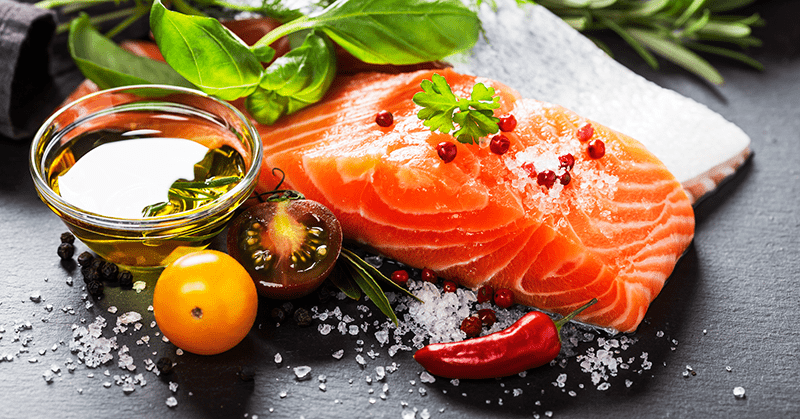
Salmon is a fatty fish loaded with omega-3 fatty acids, which are known for their anti-inflammatory properties. Chronic inflammation is linked to increased visceral fat, the type that surrounds abdominal organs. A study by Itariu et al. (2012) demonstrated that omega-3 supplementation led to reduced abdominal fat and improved insulin sensitivity in overweight individuals.
High-Quality Protein
In addition to healthy fats, salmon is an excellent source of lean protein, supporting muscle maintenance and promoting thermogenesis—two key factors in revealing abs.
3. Greek Yogurt
Probiotic-Rich Dairy
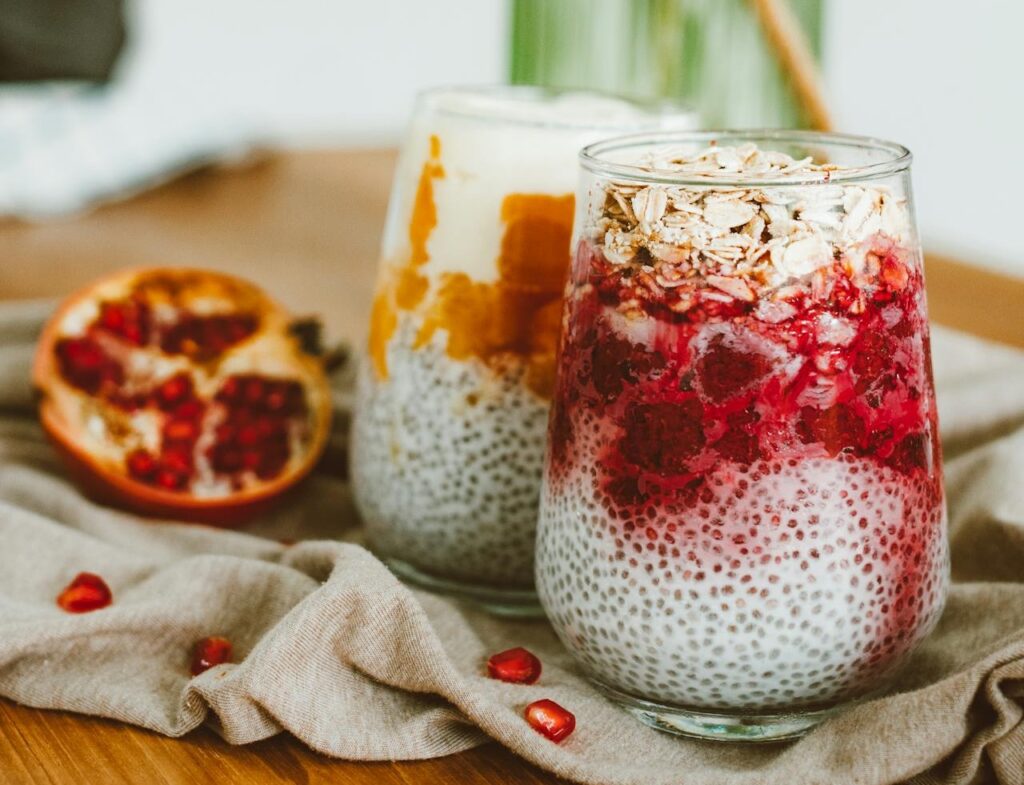
Greek yogurt is packed with probiotics that support gut health. An imbalanced gut microbiome has been associated with obesity and metabolic dysfunction. According to a study by Kadooka et al. (2010), probiotic-rich foods helped reduce visceral fat and improve body composition.
Low in Sugar and High in Protein
Opt for plain, unsweetened Greek yogurt, which is naturally lower in sugar and higher in protein than traditional yogurt. The combination of high protein and low carbohydrate content helps stabilize blood glucose and reduces fat accumulation.
4. Leafy Greens

Low in Calories, High in Nutrients
Leafy greens such as spinach, kale, and arugula are extremely low in calories and dense in micronutrients. Their high fiber content promotes satiety, reduces hunger, and aids digestion. Fiber intake is inversely associated with body fat, as shown in a study by Slavin (2005).
Nitrate Content and Exercise Performance
Certain greens like spinach are also high in dietary nitrates, which improve blood flow and exercise efficiency. Enhanced performance allows for better training intensity, indirectly supporting fat loss and muscle visibility (Larsen et al., 2007).
5. Quinoa
Complete Plant-Based Protein
Quinoa is a unique whole grain because it contains all nine essential amino acids, making it a complete protein. This makes it ideal for vegetarians and vegans looking to increase protein intake. In a randomized controlled trial by Zhu et al. (2015), quinoa consumption led to reduced body weight and fat mass compared to traditional cereals.
Low Glycemic Index
Quinoa has a relatively low glycemic index, meaning it has a smaller impact on blood sugar levels. Stable insulin levels are crucial for minimizing fat storage, especially around the abdominal region.
6. Avocados
Monounsaturated Fats
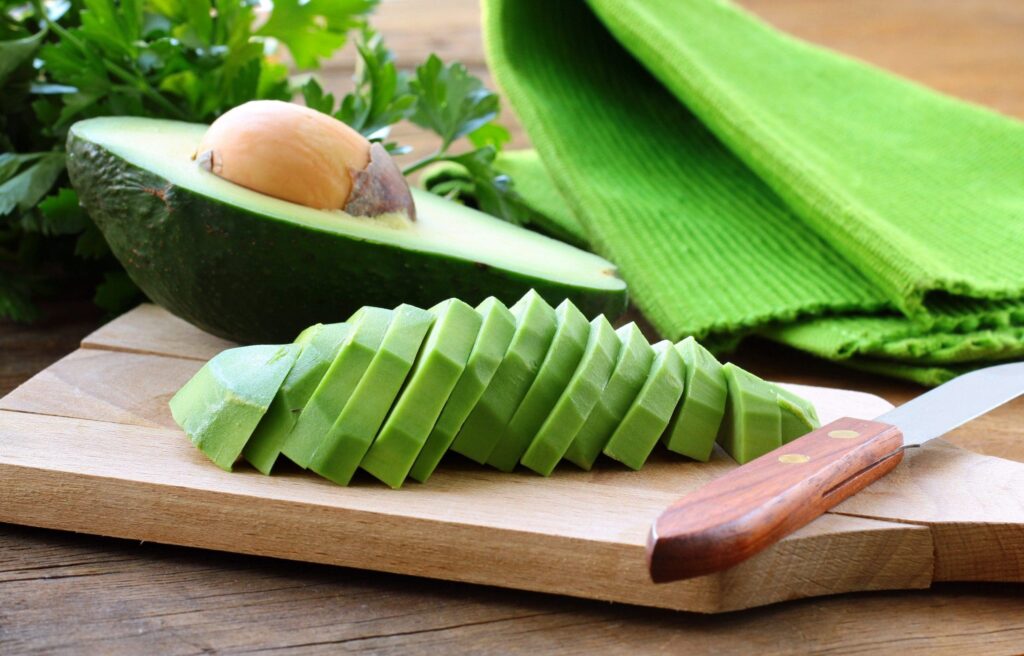
Avocados are rich in monounsaturated fats, which have been shown to reduce visceral fat accumulation. A study by Wang et al. (2014) found that participants who consumed avocado-rich meals had significantly lower abdominal fat distribution.
Satiety and Nutrient Absorption
These healthy fats also enhance satiety and increase the absorption of fat-soluble vitamins, supporting overall metabolic health. This nutrient synergy is vital for body composition improvement.
7. Green Tea

Thermogenic Properties
Green tea contains catechins and caffeine, compounds known to enhance thermogenesis and fat oxidation. A meta-analysis by Hursel et al. (2011) confirmed that green tea extract significantly increased energy expenditure and fat oxidation in overweight individuals.
Abdominal Fat Reduction
Regular green tea consumption has been associated with reductions in abdominal fat. A 12-week intervention by Nagao et al. (2005) demonstrated decreased body fat, particularly in the abdominal area, among participants who consumed green tea extract.
8. Berries
Antioxidant-Rich and Low in Sugar
Berries like blueberries, raspberries, and strawberries are packed with antioxidants and low in sugar compared to other fruits. Antioxidants combat oxidative stress, which can impair fat metabolism. A study by Basu et al. (2010) showed that blueberry supplementation reduced markers of metabolic syndrome and abdominal fat in obese participants.
Fiber Content
Berries are also high in soluble fiber, which slows digestion and reduces appetite. This contributes to a lower overall calorie intake, supporting fat loss.
9. Chicken Breast

Lean Protein Source
Skinless chicken breast is one of the leanest animal protein sources available, making it ideal for body recomposition. High protein intake preserves lean muscle mass during caloric deficits, as demonstrated in a study by Pasiakos et al. (2013), which emphasized protein’s role in maintaining fat-free mass while promoting fat loss.
Versatility and Digestibility
Chicken is also easy to digest and cook, making it a practical option for meal planning and prep, helping individuals adhere to consistent nutrition strategies.
10. Oats
Complex Carbohydrate and Fiber
Oats are an excellent source of complex carbohydrates and soluble fiber, particularly beta-glucan, which improves cholesterol profiles and enhances satiety. A clinical trial by Maki et al. (2012) showed that beta-glucan from oats led to a reduction in abdominal adiposity.
Hormonal Benefits
The slow-digesting nature of oats leads to gradual insulin release, which helps regulate fat storage. Maintaining stable insulin levels is essential for reducing fat accumulation in the midsection.
Conclusion
Strategically incorporating nutrient-dense, metabolism-boosting foods into your diet can significantly accelerate the process of revealing your abs. While exercise and lifestyle factors such as sleep and stress management are essential, nutrition plays a primary role in reducing the subcutaneous and visceral fat that obscures abdominal definition. The 10 foods listed in this article are supported by scientific research and provide a potent foundation for anyone serious about achieving visible abs.
Prioritize whole foods, balance macronutrient intake, and remain consistent in your dietary approach to optimize body composition and expose a lean, defined core.