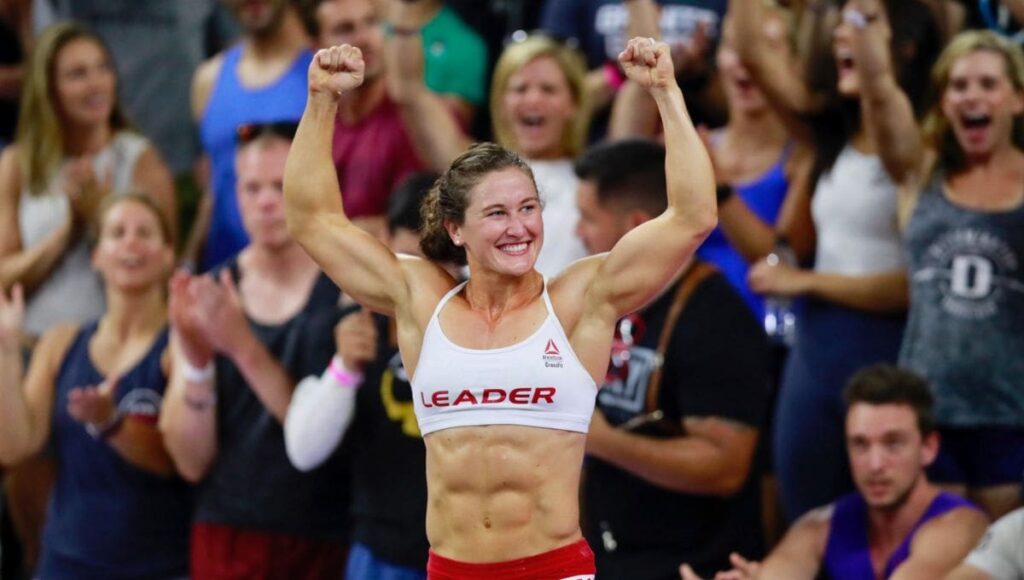
A strong core is foundational to almost every movement we perform, whether it’s lifting weights, running, or simply maintaining posture throughout the day. The core encompasses more than just the abdominals; it includes the muscles of the lower back, pelvis, hips, and deep stabilizing muscles that support the spine.
This six-week core training plan is rooted in scientific research and structured progression to deliver real results. Each week builds on the last, enhancing muscular endurance, strength, and neuromuscular control.


Why Core Training Matters
The core functions as the body’s central stabilizing unit. Research has shown that core strength is linked to improved athletic performance, reduced injury risk, and better functional fitness (Kibler et al., 2006). A strong core enhances force transfer between the upper and lower body, stabilizes the spine, and improves balance and posture (Hodges & Richardson, 1996).
Core Muscle Anatomy and Function
Understanding core musculature helps target training effectively. The primary muscles involved include:
- Rectus abdominis: Flexes the spine and controls pelvic tilt
- Transversus abdominis: Provides deep core stability
- Internal and external obliques: Rotate and laterally flex the torso
- Erector spinae: Extend and stabilize the spine
- Multifidus: Supports vertebral integrity and segmental stability
- Pelvic floor muscles: Provide foundational support to internal organs and spine
Studies suggest that engaging deep stabilizers like the transversus abdominis and multifidus is critical for spinal health and injury prevention (Richardson et al., 1999).
Program Structure
This plan is designed across six weeks, with three training sessions per week. Each week introduces progressive overload through increased volume, intensity, or complexity. The plan includes static holds, dynamic movements, anti-rotation exercises, and functional integration.
Week 1: Foundation and Activation
Goal: Activate deep core muscles and establish neuromuscular connections
Workout A
- Dead Bug: 3 sets x 10 reps per side
- Bird-Dog: 3 sets x 10 reps per side
- Glute Bridge: 3 sets x 15 reps
- Plank: 3 x 30 seconds hold
Workout B
- Side Plank: 3 x 20 seconds per side
- Supine Marches: 3 x 10 reps per leg
- Pallof Press (light resistance band): 3 x 10 reps per side
- Lying Leg Raises: 3 x 12 reps
Workout C
- Front Plank with Arm Reach: 3 x 10 reps per side
- Quadruped Tuck: 3 x 10 reps
- Wall Dead Bug Hold: 3 x 20 seconds
- Supine Toe Taps: 3 x 10 reps
Week 2: Stability and Control
Goal: Increase time under tension and improve joint stability
Workout A
- Plank with Shoulder Tap: 3 x 12 reps per side
- Hip Lift March: 3 x 10 per leg
- Side Plank with Reach Under: 3 x 8 reps
- Glute Bridge March: 3 x 10 per leg
Workout B
- Bird-Dog with Pause: 3 x 10 per side
- Lying Windshield Wipers: 3 x 12 total
- Resistance Band Pallof Press Hold: 3 x 20 seconds
- Seated Leg Lifts: 3 x 10 per leg
Workout C
- Plank to Push-up: 3 x 8
- Side-Lying Leg Raise with Core Activation: 3 x 12
- Supine 90/90 Breathing: 3 x 5 breaths
- Abdominal Hollow Hold: 3 x 20 seconds
Week 3: Integration and Endurance
Goal: Integrate core movements into full-body patterns
Workout A
- Bear Crawl: 3 x 20 meters
- Cable Chop (or band): 3 x 10 per side
- Elevated Glute Bridge Hold: 3 x 30 seconds
- V-Sit Hold: 3 x 20 seconds
Workout B
- Front Plank with Toe Taps: 3 x 10 per side
- Side Plank with Hip Dip: 3 x 10 per side
- Banded Walks with Core Focus: 3 x 10 steps per side
- Hollow Body Flutter Kicks: 3 x 20 seconds
Workout C
- Lateral Bear Crawl: 3 x 10 meters each direction
- Half-Kneeling Pallof Press: 3 x 12 reps per side
- Towel Hamstring Curls: 3 x 10 reps
- Russian Twists: 3 x 20 (no weight)
Week 4: Strength Emphasis
Goal: Build core strength with higher load and longer holds
Workout A
- Weighted Plank: 3 x 30 seconds
- Hanging Knee Raises: 3 x 10
- Cable Anti-Rotation Hold: 3 x 20 seconds per side
- Suitcase Carry: 3 x 20 meters per side
Workout B
- Weighted Side Plank: 3 x 20 seconds
- Stability Ball Stir-the-Pot: 3 x 10 circles per direction
- V-Sit with Dumbbell Reach: 3 x 10
- Decline Sit-Ups: 3 x 12
Workout C
- Dead Bug with Dumbbell: 3 x 10 per side
- TRX Fallout (or ab wheel): 3 x 8 reps
- Cable Woodchopper: 3 x 10 per side
- RKC Plank: 3 x 15 seconds
Week 5: Complexity and Multi-Planar Challenge
Goal: Challenge the core across multiple planes of movement
Workout A
- Lateral Ball Roll (Swiss Ball): 3 x 10 rolls
- Bird-Dog Row: 3 x 8 reps per side
- Single-Leg Glute Bridge: 3 x 10 per side
- Standing Anti-Rotation Press: 3 x 12
Workout B
- Plank with KB Drag: 3 x 8 drags per side
- Valslide Body Saw: 3 x 10 reps
- Cable Lift Pattern: 3 x 10 per side
- Standing March with Band Resistance: 3 x 10 steps
Workout C
- Offset Carry (KB/DB): 3 x 20 meters
- Stability Ball Pike: 3 x 8 reps
- Prone Superman with Scap Retraction: 3 x 10
- Hanging L-sit Hold: 3 x 10 seconds
Week 6: Performance and Peak
Goal: Maximize core output and function under fatigue
Workout A
- Plank with Plate Slide: 3 x 8 per side
- Weighted Cable Chop: 3 x 10 per side
- L-sit to Tuck Hold (on parallettes): 3 x 8
- Suitcase Carry with March: 3 x 10 steps per leg
Workout B
- Barbell Rollout: 3 x 8 reps
- Single-Arm Farmer Carry: 3 x 25 meters
- Side Plank with Band Row: 3 x 10 per side
- Reverse Crunch on Decline Bench: 3 x 12
Workout C
- Stability Ball Stir-the-Pot: 3 x 15
- Hanging Leg Raise: 3 x 10
- Bear Position Shoulder Tap: 3 x 10 per side
- Cable Woodchopper (Heavy): 3 x 8 reps

Key Scientific Principles in Core Training
Research consistently supports several principles crucial to effective core training:
- Spinal stability through bracing (McGill, 2001): Core bracing during movement enhances spinal protection.
- Integration over isolation: Exercises that involve full-body coordination (e.g., carry variations) improve transfer to real-life function (Behm et al., 2010).
- Progressive overload: Gradually increasing challenge ensures continuous adaptation (ACSM, 2009).
- Anti-rotation and anti-extension training: Vital for functional strength and injury resilience (Willardson, 2007).
Nutrition and Recovery Considerations
No core training program is complete without addressing recovery and nutrition. Adequate protein intake (1.6–2.2 g/kg of body weight) supports muscle repair and growth (Morton et al., 2018). Hydration, sleep (7–9 hours per night), and minimizing stress through parasympathetic activity (e.g., diaphragmatic breathing) enhance core recovery and performance.
Conclusion
The ultimate six-week core training plan provides a progressive, science-based structure to develop a strong, functional, and resilient core. By combining deep core activation, stability work, and strength integration, individuals can expect improved performance, reduced injury risk, and a more balanced, powerful body. Stick to the plan, respect recovery, and pair it with proper nutrition for optimal results.
Bibliography
American College of Sports Medicine (2009). Progression models in resistance training for healthy adults. Medicine & Science in Sports & Exercise, 41(3), pp.687-708.
Behm, D.G., Drinkwater, E.J., Willardson, J.M. and Cowley, P.M. (2010). The use of instability to train the core musculature. Applied Physiology, Nutrition, and Metabolism, 35(1), pp.91-108.
Hodges, P.W. and Richardson, C.A. (1996). Inefficient muscular stabilization of the lumbar spine associated with low back pain. Spine, 21(22), pp.2640-2650.
Kibler, W.B., Press, J. and Sciascia, A. (2006). The role of core stability in athletic function. Sports Medicine, 36(3), pp.189-198.
McGill, S.M. (2001). Low back stability: from formal description to issues for performance and rehabilitation. Exercise and Sport Sciences Reviews, 29(1), pp.26-31.
Morton, R.W., Murphy, K.T., McKellar, S.R., Schoenfeld, B.J., Henselmans, M., Helms, E., Aragon, A.A., Devries, M.C., Banfield, L. and Krieger, J.W. (2018). A systematic review, meta-analysis and meta-regression of the effect of protein supplementation on resistance training-induced gains in muscle mass and strength in healthy adults. British Journal of Sports Medicine, 52(6), pp.376-384.
Richardson, C., Jull, G., Hodges, P. and Hides, J. (1999). Therapeutic exercise for spinal segmental stabilization in low back pain: scientific basis and clinical approach. Churchill Livingstone.
Willardson, J.M. (2007). Core stability training: applications to sports conditioning programs. Journal of Strength and Conditioning Research, 21(3), pp.979-985.