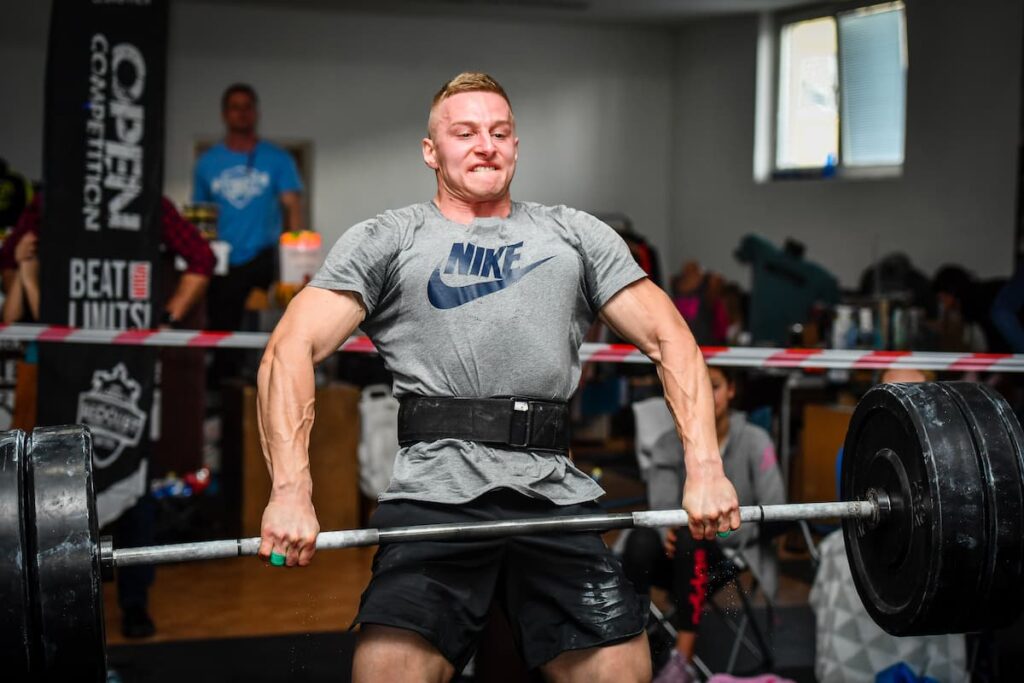
Aging is an inevitable biological process, but its effects on the musculoskeletal system can be strategically mitigated. For men over 35, the interplay between hormonal changes, muscle protein synthesis (MPS), and nutrient metabolism means nutritional strategies must evolve to maintain muscle mass, strength, and overall vitality.
This article explores how nutritional needs change with age, highlighting key nutrients, timing, and scientifically backed strategies that can help preserve lean body mass and optimize performance.


The Physiology of Muscle Aging
Sarcopenia: The Age-Related Decline in Muscle Mass
Starting as early as age 30, men experience gradual muscle loss, known as sarcopenia, with an average annual decline of 1–2% in muscle mass and a 1.5–5% reduction in strength annually after age 50 (Mitchell et al., 2012).
This phenomenon is largely attributed to reduced anabolic hormone levels, decreased physical activity, and diminished efficiency of MPS.
Hormonal Shifts and Muscle Anabolism
Testosterone levels decline approximately 1% annually after age 30, reducing the hormonal support for muscle hypertrophy (Harman et al., 2001). Insulin-like Growth Factor-1 (IGF-1), crucial for muscle repair and growth, also wanes with age, further compounding anabolic resistance.
Anabolic Resistance Explained
Anabolic resistance refers to the reduced ability of aged muscle tissue to synthesize protein efficiently in response to dietary protein intake. It becomes harder for aging muscle to respond robustly to stimuli like protein consumption and resistance training, necessitating nutritional adaptation (Breen and Phillips, 2011).
Protein Needs: How Much and When?
Increased Protein Requirements
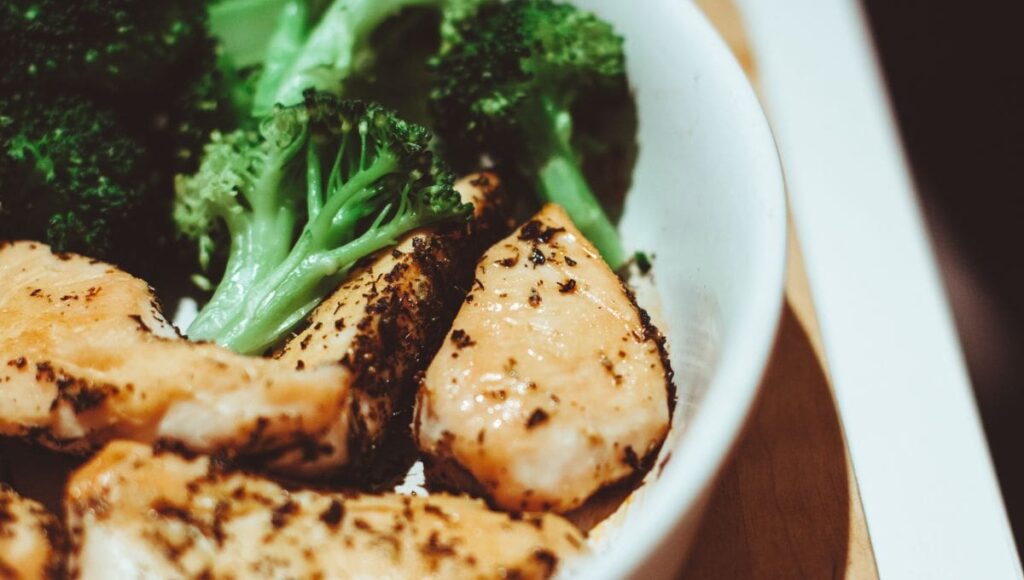
While the Recommended Dietary Allowance (RDA) for protein remains at 0.8 g/kg of body weight, this is insufficient for older adults aiming to maintain or build muscle. Studies suggest intakes between 1.6–2.2 g/kg per day are more appropriate for preserving lean mass in aging populations (Phillips et al., 2016).
Protein Quality and Leucine Threshold
Protein quality becomes critical with age. Leucine, a branched-chain amino acid (BCAA), is a key driver of MPS. Older adults require approximately 2.5–3 g of leucine per meal to overcome anabolic resistance (Katsanos et al., 2006). High-leucine protein sources include whey, eggs, poultry, and fish.
Distribution Throughout the Day
Equally distributing protein intake across meals (e.g., 30–40 g per meal) has been shown to stimulate MPS more effectively than skewed intakes where protein is primarily consumed at dinner (Mamerow et al., 2014). A strategic 3–4 meal pattern can optimize MPS frequency and duration.
Nutrient Timing and Synergy with Exercise
The Protein-Exercise Window
Resistance training sensitizes muscle to amino acids. Consuming 20–40 g of high-quality protein within two hours post-exercise enhances muscle hypertrophy and recovery (Moore et al., 2009). For aging men, this post-exercise window becomes even more critical due to slower recovery rates.
Pre-Sleep Protein Feeding

Casein protein intake (~40 g) before sleep has shown to increase overnight MPS and improve next-day muscle function in older men engaged in evening training (Snijders et al., 2015). Slow-digesting proteins help sustain amino acid availability during sleep, a prolonged fasting period.
Micronutrients Supporting Muscle Health
Vitamin D and Testosterone
Vitamin D deficiency is common in aging men and is associated with reduced muscle function and testosterone levels (Pilz et al., 2011). Supplementation to achieve serum levels above 30 ng/mL may support muscle function and hormonal balance.
Magnesium and Zinc
Magnesium plays a role in ATP production and muscle contraction, while zinc is critical for testosterone synthesis. Both are often under-consumed and may impair muscle performance and recovery if deficient (Brilla and Conte, 2000; Prasad, 1993).
Omega-3 Fatty Acids
EPA and DHA from fish oil enhance MPS by improving mTOR signaling and reducing inflammation. Older adults supplemented with 3–4 g of combined EPA/DHA daily have shown improved muscle strength and anabolic response to protein intake (Smith et al., 2015).
Testosterone and Nutritional Implications
Macronutrient Balance and Hormonal Health
Extremely low-fat diets (<15% of total calories) can reduce testosterone levels, while moderate fat intake (25–35%)—particularly with saturated and monounsaturated fats—has been linked to healthier testosterone profiles (Volek et al., 1997). Likewise, adequate protein and caloric intake prevent hormonal downregulation caused by energy deficits.
Dietary Patterns and Testosterone
Diets rich in whole foods, leafy greens, and healthy fats support testosterone, while high intakes of processed foods, trans fats, and excessive alcohol are associated with lower testosterone levels. Zinc, magnesium, vitamin D, and cholesterol all play roles in the steroidogenic pathway.
Muscle Composition and Aging Goals
Body Recomposition Over Weight Loss
For men over 35, the emphasis should shift from weight loss to body recomposition—losing fat while gaining or maintaining muscle. This approach maintains metabolic rate and function, critical as basal metabolic rate (BMR) decreases with lean mass losses.
Sarcopenic Obesity: A Dual Threat
When muscle loss coincides with fat gain, the risk for sarcopenic obesity increases, impairing mobility and elevating disease risk. Nutritional interventions must be paired with resistance training to mitigate this condition.
Practical Strategies for Implementation
Meal Planning and Frequency
Aim for three to four protein-rich meals daily, each containing 30–40 g of high-quality protein and at least 2.5 g of leucine. Include a bedtime casein-rich snack if evening training is performed.
Supplementation Protocols
- Whey protein: Fast-absorbing and rich in leucine; ideal post-workout.
- Casein: Slow-releasing; ideal before sleep.
- Creatine monohydrate: Improves strength and muscle mass, especially effective in older adults (Candow et al., 2014).
- Vitamin D: 1,000–2,000 IU/day, depending on deficiency status.
- Fish oil: 3–4 g/day EPA/DHA for inflammation and anabolic sensitivity.
Hydration and Electrolytes
Older adults have a reduced thirst response, risking dehydration that can impair performance and recovery. Ensure consistent water intake and consider electrolyte support, especially if training intensely or in hot environments.
Sample Meal Structure
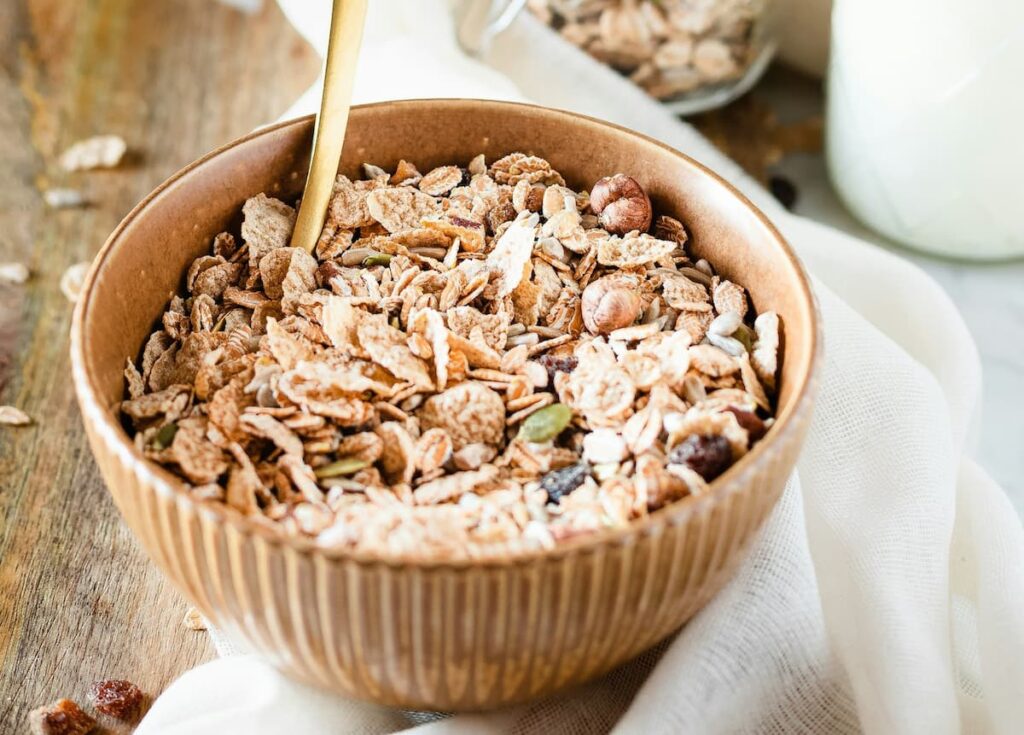
Breakfast: Scrambled eggs, oats with whey protein, and berries
Lunch: Grilled chicken breast, quinoa, and leafy greens with olive oil
Post-Workout: Whey shake with banana
Dinner: Salmon, sweet potato, and steamed vegetables
Pre-bed: Greek yogurt or casein shake with almonds
Conclusion
Nutrition for muscle maintenance in men over 35 is no longer a matter of simply “eating enough protein.” It requires a strategic approach that considers changes in muscle responsiveness, hormonal environment, and metabolic rate.
By focusing on high-quality protein intake, meal timing, resistance training synergy, and key micronutrient support, aging men can not only preserve muscle but continue to build it well into their 40s, 50s, and beyond.
References
Breen, L. and Phillips, S.M. (2011). Skeletal muscle protein metabolism in the elderly: interventions to counteract the ‘anabolic resistance’ of ageing. Nutrition & Metabolism, 8(1), p.68.
Brilla, L.R. and Conte, V. (2000). Effects of a novel zinc-magnesium formulation on hormones and strength. Journal of Exercise Physiology Online, 3(4), pp.26-36.
Candow, D.G., Forbes, S.C., Chilibeck, P.D., Cornish, S.M. and Antonio, J. (2014). Creatine supplementation and aging musculoskeletal health. Endocrine, 45(3), pp.354-361.
Harman, S.M., Metter, E.J., Tobin, J.D., Pearson, J. and Blackman, M.R. (2001). Longitudinal effects of aging on serum total and free testosterone levels in healthy men. The Journal of Clinical Endocrinology & Metabolism, 86(2), pp.724-731.
Katsanos, C.S., Kobayashi, H., Sheffield-Moore, M., Aarsland, A. and Wolfe, R.R. (2006). A high proportion of leucine is required for optimal stimulation of the rate of muscle protein synthesis by essential amino acids in the elderly. American Journal of Physiology-Endocrinology and Metabolism, 291(2), pp.E381-E387.
Mamerow, M.M., Mettler, J.A., English, K.L., Casperson, S.L., Arentson-Lantz, E., Sheffield-Moore, M., Layman, D.K. and Paddon-Jones, D. (2014). Dietary protein distribution positively influences 24-h muscle protein synthesis in healthy adults. The Journal of Nutrition, 144(6), pp.876-880.
Mitchell, W.K., Williams, J., Atherton, P., Larvin, M., Lund, J. and Narici, M. (2012). Sarcopenia, dynapenia, and the impact of advancing age on human skeletal muscle size and strength; a quantitative review. Frontiers in Physiology, 3, p.260.
Moore, D.R., Robinson, M.J., Fry, J.L., Tang, J.E., Glover, E.I., Wilkinson, S.B., Prior, T., Tarnopolsky, M.A. and Phillips, S.M. (2009). Ingested protein dose response of muscle and albumin protein synthesis after resistance exercise in young men. The American Journal of Clinical Nutrition, 89(1), pp.161-168.
Phillips, S.M., Chevalier, S. and Leidy, H.J. (2016). Protein “requirements” beyond the RDA: implications for optimizing health. Applied Physiology, Nutrition, and Metabolism, 41(5), pp.565-572.
Pilz, S., Frisch, S., Koertke, H., Kuhn, J., Dreier, J., Obermayer-Pietsch, B., Wehr, E., Zittermann, A., März, W. and Kleber, M.E. (2011). Effect of vitamin D supplementation on testosterone levels in men. Hormone and Metabolic Research, 43(03), pp.223-225.
Prasad, A.S. (1993). Zinc and immunity. Molecular and Cellular Biochemistry, 129(1), pp.127-133.
Smith, G.I., Julliand, S., Reeds, D.N., Sinacore, D.R., Klein, S. and Mittendorfer, B. (2015). Fish oil–derived n–3 PUFA therapy increases muscle mass and function in healthy older adults. The American Journal of Clinical Nutrition, 102(1), pp.115-122.
Snijders, T., Res, P.T., Smeets, J.S., van Vliet, S., van Kranenburg, J., Maase, K., Kies, A.K. and van Loon, L.J. (2015). Protein ingestion before sleep increases muscle mass and strength gains during prolonged resistance-type exercise training in healthy young men. The Journal of Nutrition, 145(6), pp.1178-1184.
Volek, J.S., Gómez, A.L., Love, D.M., Avery, N.G., Sharman, M.J., Kraemer, W.J. (1997). Dietary fat and serum testosterone concentration in healthy men. British Journal of Nutrition, 86(5), pp.671-677.