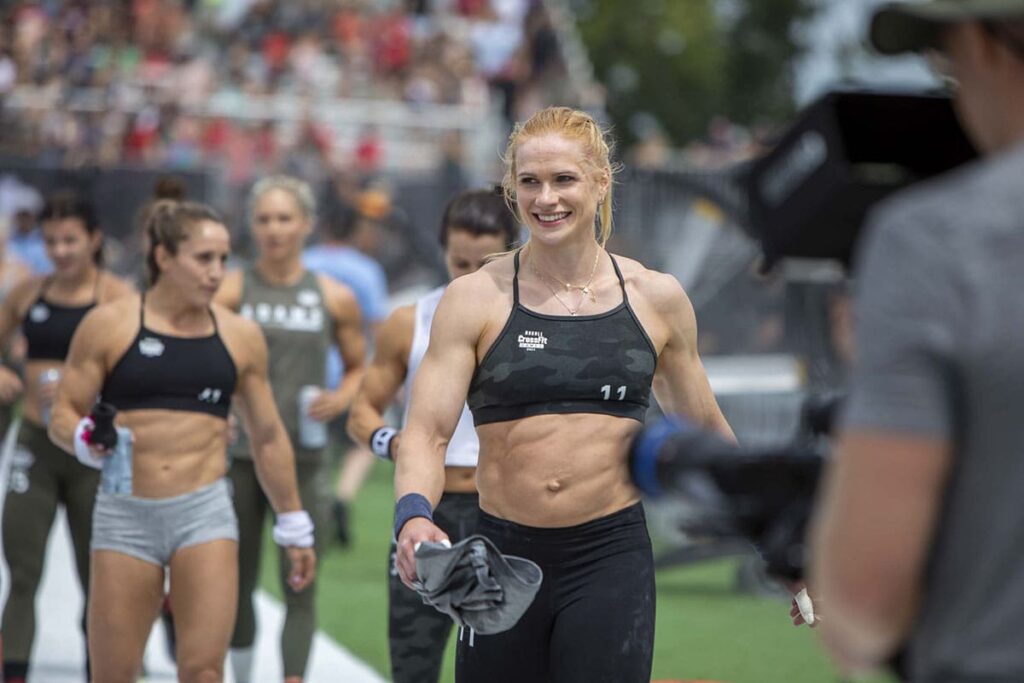
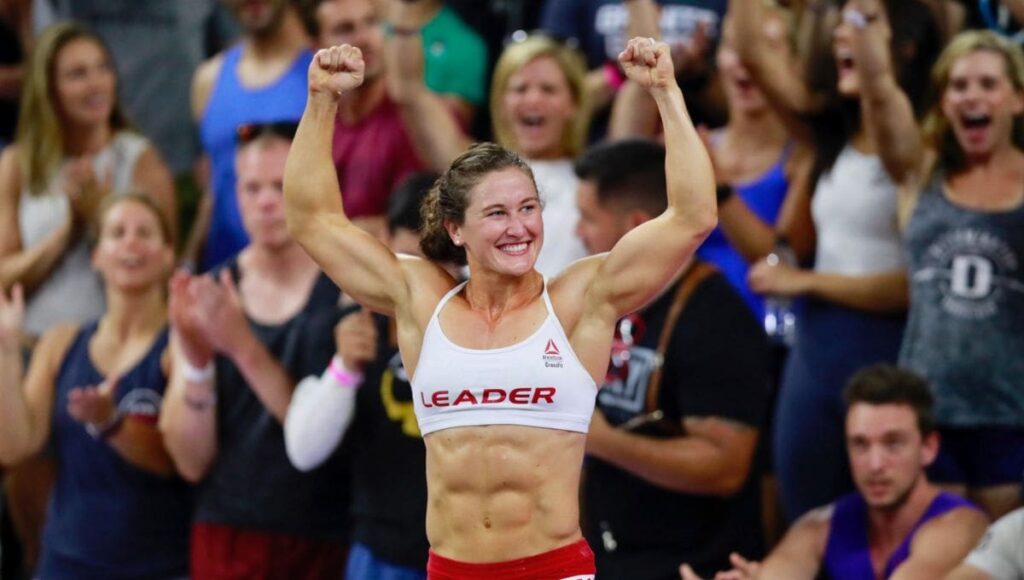
In fitness culture, “abs” often take center stage. Six-pack abs are the hallmark of aesthetic training, gracing magazine covers and social media feeds. But the deeper, more functional conversation centers around the core—a collection of muscles with a much broader responsibility than the rectus abdominis alone.
Misunderstanding the distinction between “abs” and the “core” can result in flawed training regimens, missed performance gains, and increased injury risk. This article will clarify what each term really means, why the distinction matters, and how to tailor your training accordingly.


What Are the Abs?
The term “abs” typically refers to the rectus abdominis, a paired muscle running vertically on each side of the anterior wall of the human abdomen. It is the muscle responsible for the visible “six-pack” and is primarily involved in spinal flexion, such as when performing a crunch or sit-up.
[wpcode id=”229888″]The rectus abdominis originates from the pubic crest and inserts into the costal cartilages of ribs five through seven and the xiphoid process. Its primary role is to flex the lumbar spine, assist in forced expiration, and maintain internal abdominal pressure. In athletic movements, the abs contribute to the control of trunk motion, but they are far from the only player involved.
What Is the Core?
The core includes the abs but also encompasses a larger group of muscles that stabilize the spine and pelvis. These include:
- Transversus abdominis: The deepest abdominal muscle, acting as a corset to stabilize the trunk.
- Internal and external obliques: Located on the sides of the abdomen, responsible for trunk rotation and lateral flexion.
- Erector spinae: A group of muscles running along the spine, responsible for extending and stabilizing the back.
- Multifidus: A series of small muscles stabilizing the vertebrae.
- Diaphragm: Primary respiratory muscle, critical for intra-abdominal pressure.
- Pelvic floor muscles: Support the pelvic organs and contribute to spinal stabilization.
- Gluteus muscles: Though not always included in “core” definitions, the glutes stabilize the hips and sacroiliac joint, affecting core integrity.
The core acts as a dynamic stabilizer during virtually all human movement. According to Akuthota and Nadler (2004), the core muscles function synergistically to support posture and produce integrated movement patterns across the upper and lower body.
Structural vs. Functional Distinction
While the abs can be considered from a structural viewpoint—defining their anatomical location and appearance—the core must be viewed functionally. Core training does not target just one muscle or one movement plane. Instead, it focuses on the system of stabilizers that maintain equilibrium, posture, and controlled force transfer between the upper and lower body.
For example, when performing a squat or overhead press, a well-functioning core keeps the torso upright and transmits force efficiently from the legs to the arms. This integrated support comes from more than just the abs.
Why Abs Get All the Attention
The aesthetic appeal of the rectus abdominis cannot be overstated. Low body fat and muscular definition in this region have become a visual shorthand for athleticism. However, training for appearance can create a skewed focus that neglects the core’s functional role.
Research by Willardson (2007) highlights how exercises targeting only the rectus abdominis, such as sit-ups and crunches, can fail to recruit the deeper stabilizing muscles that protect the spine and optimize performance. As a result, athletes and fitness enthusiasts may achieve visual definition without addressing movement integrity or injury prevention.
Core Function and Movement Efficiency
The core’s primary role is to stabilize the spine during both dynamic and static movements. McGill (2007) has emphasized the concept of “core stiffness,” referring to the bracing quality required to protect the spine during load-bearing tasks. This stiffness is not rigidity but an ability to resist unwanted motion while allowing purposeful movement elsewhere.

For example, in a deadlift, the goal is to maintain a neutral spine while generating force from the hips and legs. The rectus abdominis alone cannot fulfill this function; it is the synergy of the transversus abdominis, obliques, multifidus, and diaphragm that enables safe and efficient lifting.
Injury Prevention
Core training has a direct relationship with injury prevention, especially concerning the lower back. In a seminal study, Hodges and Richardson (1996) demonstrated that in individuals with chronic low back pain, the transversus abdominis had delayed activation relative to trunk movement. This deficiency compromises spinal stability, making one more susceptible to injury.
In contrast, targeted core stabilization exercises have been shown to reduce the recurrence of back pain episodes and improve neuromuscular control (Koumantakis et al., 2005). These benefits are not replicated by isolated ab exercises, which fail to activate deeper stabilizing muscles to the same extent.
Athletic Performance and Core Strength
Elite athletic performance demands core integrity. Research by Kibler et al. (2006) describes the core as the “kinetic link” between the upper and lower extremities. Whether sprinting, throwing, or jumping, force must be transferred efficiently through the torso. Weakness or instability in the core disrupts this chain, leading to energy leaks, poor biomechanics, and decreased output.
Studies in sport-specific populations reinforce this. For example, a study on soccer players by Prieske et al. (2016) found that core strength training improved balance, sprint performance, and jumping ability. Such enhancements are unlikely to arise from ab-focused routines alone, as they do not condition the neuromuscular control and load-bearing capability required in sport.
The Role of Breathing and Intra-Abdominal Pressure
Core stability is closely tied to breathing mechanics. The diaphragm, transversus abdominis, and pelvic floor coordinate to manage intra-abdominal pressure (IAP), which stabilizes the spine during movement. According to Hodges et al. (2001), efficient activation of the diaphragm and its interaction with the abdominal wall is crucial for trunk stability.
This coordination is particularly important in heavy lifting, where breath control through the Valsalva maneuver temporarily increases IAP to brace the spine. Training only the superficial abs does not improve this deep muscular coordination.
Misconceptions in Training
A widespread error in gym culture is conflating ab visibility with core strength. Visible abs are primarily the result of low subcutaneous fat, often achieved through diet rather than training. As a result, someone with well-defined abs may still have a weak core.
Another misconception is the overreliance on flexion-based movements. Excessive crunches or sit-ups can impose repetitive stress on the lumbar spine, especially if done with poor form or insufficient posterior chain balance. Research from McGill (2002) warns that repeated spinal flexion under load can lead to disc herniation and chronic back issues.
Smart Core Training Strategies
Effective core training must engage muscles in multiple planes and emphasize anti-rotational and anti-extension capacities. Programs should incorporate the following movement categories:
- Anti-extension: Plank variations, ab wheel rollouts.
- Anti-rotation: Pallof presses, bird-dogs.
- Anti-lateral flexion: Suitcase carries, side planks.
- Integrated movements: Deadlifts, squats, Turkish get-ups.
These exercises not only train core musculature but also replicate real-world demands. Their complexity promotes neuromuscular efficiency, intermuscular coordination, and injury resilience. They also encourage the bracing strategies supported by scientific literature.
Core Training for Different Populations
Core training must be tailored to an individual’s goals, fitness level, and movement patterns. For example:
- General population: Focus on foundational movements like planks, carries, and diaphragmatic breathing. Aim for consistency and movement quality over intensity.
- Athletes: Incorporate dynamic and high-load variations that mirror sport-specific tasks. Prioritize unilateral and reactive movements.
- Post-injury rehab: Emphasize motor control and progressive loading. Isometric holds and biofeedback can help retrain stabilizer activation.
- Older adults: Use balance and stability drills to maintain proprioception and fall prevention, supporting healthy aging.
Aesthetic vs. Functional Goals
While there’s nothing inherently wrong with training for aesthetics, it must be acknowledged that ab definition and core strength are not interchangeable. Pursuing aesthetics without function can leave the body vulnerable to injury and imbalances.

Conversely, training for function often brings aesthetic benefits as a by-product—particularly when combined with effective nutrition. Functional strength builds resilience and efficiency that translates into both performance and physique improvements.
Conclusion
Understanding the difference between abs and the core is not mere semantics. It reshapes how we think about training, injury prevention, and human performance. Abs are a small piece of the puzzle; the core is the engine of stability, mobility, and strength. Elevating our training focus from isolated aesthetics to integrated function is not just more effective—it’s more sustainable, holistic, and evidence-based.