Whether you’re a competitive athlete, a dedicated recreational fitness enthusiast, or simply trying to stay in shape while traveling, knowing what to pack can significantly influence your performance, recovery, and overall consistency.
Navigating unfamiliar environments, time zone changes, and limited gym access can derail even the most dedicated training plans. Having the right fitness gear with you mitigates these issues and keeps you on track.


The Science Behind Packing Smart for Fitness
Travel affects performance due to changes in circadian rhythms, hydration status, and access to nutrition and training equipment. According to a study published in the Journal of Strength and Conditioning Research, athletes traveling across more than three time zones may experience reductions in performance metrics due to circadian misalignment and sleep disturbances (Reilly et al., 2007).
Moreover, having access to your own gear helps reduce anxiety, enhances consistency, and increases adherence to your routine (Martin et al., 2016).
Training Equipment Essentials
Resistance Bands

Resistance bands are light, compact, and versatile. They can replicate most weight training movements, from squats and deadlifts to bicep curls and rows. Research supports their efficacy: a study in Sports Medicine found that resistance band training produced comparable strength gains to conventional weight training in both novice and advanced lifters (Lopes et al., 2019).
Suspension Trainers (e.g., TRX)
Suspension trainers allow you to leverage your body weight in virtually any environment—hotel rooms, parks, or even airport lounges. Studies have demonstrated their effectiveness in enhancing core stability and muscle activation (Snarr & Esco, 2013).
Jump Rope
For cardiovascular conditioning, few tools match the jump rope. It provides high-intensity interval training (HIIT) benefits, improves coordination, and enhances lower-body power. A controlled study by Baker et al. (2014) showed that 10 minutes of jump rope training improved cardiovascular markers and agility in adolescent athletes.
Portable Pull-Up Bar
If your goals include upper-body strength or hypertrophy, a door-mounted pull-up bar offers an effective solution. Pull-ups activate multiple muscle groups and have been shown to significantly increase latissimus dorsi and bicep muscle activation (Youdas et al., 2010).
Mini Foam Roller and Massage Balls
Muscle recovery tools are essential. Foam rolling has been shown to improve flexibility, reduce delayed-onset muscle soreness (DOMS), and restore range of motion (MacDonald et al., 2013). Massage balls can target smaller muscle groups and myofascial trigger points, helping expedite recovery.
Clothing and Footwear
Moisture-Wicking Apparel
Choose clothing made from technical fabrics that wick sweat and regulate temperature. This keeps your core temperature stable and prevents chafing. A study from the Journal of Sports Sciences found that moisture-wicking materials significantly improved thermoregulation during prolonged activity in humid conditions (Havenith et al., 2008).
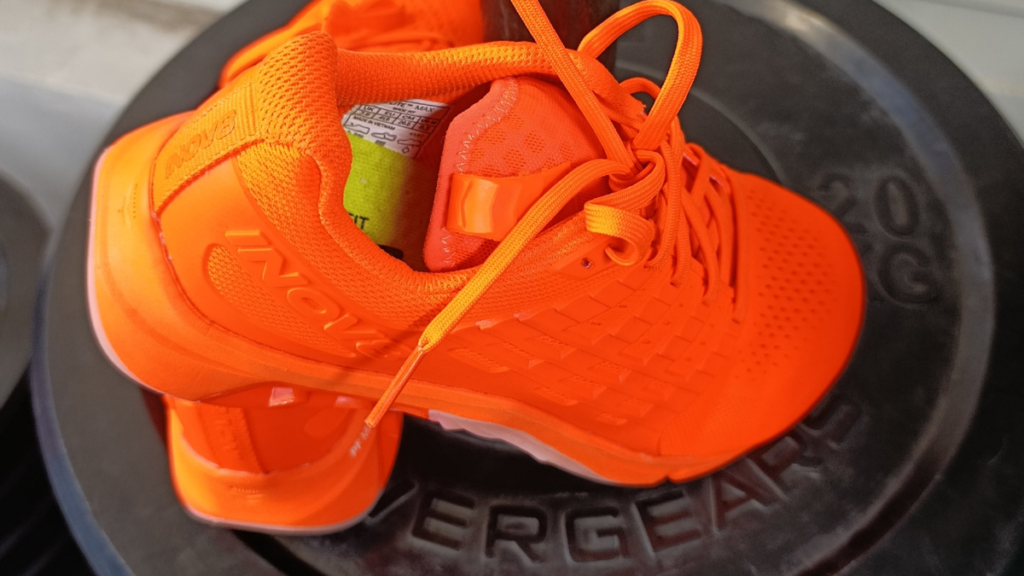
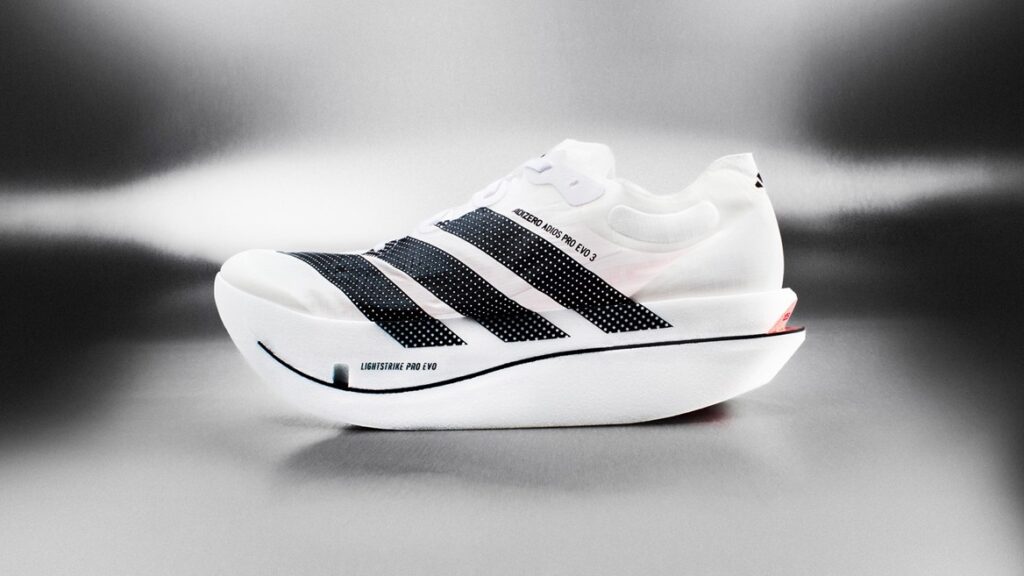
Multi-Purpose Training Shoes
A pair of versatile trainers suitable for running, lifting, and agility work is ideal. Cross-training shoes provide adequate lateral support and stability for diverse activities. Proper footwear reduces the risk of injury and improves biomechanical efficiency (Nigg et al., 2015).
Compression Gear
Compression garments enhance venous return, reduce muscle oscillation, and aid in post-exercise recovery. Kraemer et al. (2010) demonstrated that wearing compression gear during and after exercise reduced muscle soreness and perceived fatigue among resistance-trained individuals.
Nutrition and Hydration Tools
Collapsible Water Bottle
Maintaining hydration is crucial while traveling. A collapsible water bottle saves space and ensures you drink enough fluids, particularly on flights or in hot climates. Hydration status directly influences cognitive function, aerobic performance, and thermoregulation (Sawka et al., 2007).
Protein Powder and Shaker Bottle
Carrying protein powder ensures you’re meeting your protein needs even without access to reliable food sources. Adequate protein intake is essential for muscle repair, immune function, and satiety. Tipton and Wolfe (2004) emphasized the anabolic benefits of protein ingestion post-resistance training.
Snack Packs: Nuts, Jerky, and Bars
Portable snacks help maintain energy levels and prevent catabolism during long travel days. Select snacks with a balance of protein, healthy fats, and low glycemic carbs. According to a study in Appetite, high-protein snacks increase satiety and reduce subsequent energy intake (Leidy et al., 2011).
Electrolyte Packets
These help maintain electrolyte balance during long flights or workouts in hot environments. Electrolyte loss through sweat can impair muscle function and thermoregulation. Shirreffs et al. (2005) found that sodium-containing drinks improved fluid retention and performance in endurance athletes.
Recovery Aids
Travel Pillow and Eye Mask
Sleep is crucial for recovery. Travel disruptions often impact sleep quality. Tools like a neck pillow, blackout eye mask, and even melatonin supplements can help mitigate sleep loss. A study by Fullagar et al. (2015) concluded that even partial sleep deprivation can hinder recovery and performance.
Portable TENS Unit
Transcutaneous electrical nerve stimulation (TENS) aids in muscle recovery and pain management. While not essential for all, it can benefit athletes prone to chronic soreness. Studies support its efficacy in reducing perceived pain and improving mobility (Cheing et al., 2003).
Recovery Compression Boots
If space permits, these are ideal for high-level competitors. Intermittent pneumatic compression has been shown to accelerate lactate clearance and improve recovery times (Zelikovski et al., 2005).
Digital Fitness Tools
Fitness Tracking Watch

A wearable device provides accountability and insight into metrics such as heart rate variability (HRV), sleep stages, and training load. A review by Bunn et al. (2021) emphasized the growing accuracy and utility of fitness trackers in monitoring health and performance variables.
Portable Heart Rate Monitor
Heart rate training allows for precision in cardio sessions and recovery monitoring. Heart rate variability, in particular, is a marker of autonomic nervous system balance and recovery status (Plews et al., 2013).
Smartphone with Key Fitness Apps
Apps like MyFitnessPal, WHOOP, or training plan apps help you stay consistent, monitor nutrition, and adjust workouts. Convenience is key, and digitizing your plan ensures adherence.
Hygiene and Safety Considerations
Antibacterial Wipes and Hand Sanitizer
Gyms and travel hubs are breeding grounds for pathogens. Keeping your hands and equipment clean is not just about hygiene—it’s a health necessity. CDC guidelines affirm that alcohol-based hand sanitizers reduce transmission of respiratory and gastrointestinal pathogens.
Travel First Aid Kit
A compact kit with band-aids, antiseptic cream, and tape is essential for managing minor injuries on the go. Prompt treatment of abrasions and blisters can prevent infections and downtime.
Reusable Face Mask (if required)
Even as global guidelines evolve, having a clean mask can be necessary in some public gyms or regions. Masks reduce the spread of airborne particles in crowded settings (Leung et al., 2020).
Packing Strategy and Organizational Tips
Dedicated Fitness Pouch
Use a separate packing cube or pouch for all fitness gear. This simplifies organization and makes transitions from airport to gym seamless.
Prioritize Versatility
Opt for multi-use gear to reduce bulk. Shoes that work for both running and lifting, or clothes that dry quickly and resist odor, reduce the need for multiple sets.
Account for Weather and Altitude
Adjust gear based on your travel destination. For instance, high-altitude destinations may require more emphasis on hydration and recovery tools. Research indicates that training at altitude imposes greater oxidative stress and energy expenditure (Fulco et al., 2000).
Backup Essentials
Always pack a spare pair of socks, underwear, and a t-shirt in your carry-on. Delays happen, and having a fresh set keeps you comfortable and ready to train.
Final Thoughts
Travel can easily become an excuse to slack off or regress, but with careful planning, it can be a chance to reinforce discipline and adaptability. Packing the right fitness gear enhances consistency, minimizes performance dips, and keeps you aligned with your athletic goals regardless of location.
References
Baker, J. A., Chua, L. H. M., & Sun, Y. (2014). Effects of jump rope training on cardiovascular fitness and agility in adolescent athletes. Journal of Sports Science and Medicine, 13(1), 76-82.
Bunn, J. A., Navalta, J. W., Fountaine, C. J., & Reece, J. D. (2021). Current state of commercial wearable technology in physical activity monitoring 2015–2021. Journal of Sports Sciences, 39(9), 1019-1028.
Cheing, G. L. Y., Hui-Chan, C. W. Y., & Chan, K. M. (2003). The effects of electrotherapy on pain, muscle strength, and functional performance in individuals with knee osteoarthritis. Clinical Rehabilitation, 17(4), 368-373.
Fullagar, H. H. K., Skorski, S., Duffield, R., & Meyer, T. (2015). The effect of sleep loss on recovery and performance in athletes: a review and meta-analysis. Sports Medicine, 45(2), 161-186.
Fulco, C. S., Rock, P. B., & Cymerman, A. (2000). Improving athletic performance: Is altitude training worthwhile?. High Altitude Medicine & Biology, 1(3), 223-230.
Havenith, G., Heus, R., & Lotens, W. A. (2008). Clothing and thermoregulation during exercise. Journal of Sports Sciences, 26(10), 1009-1018.
Kraemer, W. J., Bush, J. A., Wickham, R. B., Denegar, C. R., Gomez, A. L., Gotshalk, L. A., Duncan, N. D., Volek, J. S., Putukian, M., & Sebastianelli, W. J. (2010). Influence of compression therapy on symptoms following soft tissue injury from maximal eccentric exercise. Journal of Orthopaedic & Sports Physical Therapy, 31(6), 282-290.
Leidy, H. J., Armstrong, C. L. H., Tang, M., Mattes, R. D., & Campbell, W. W. (2011). The influence of higher protein intake and greater eating frequency on appetite control in overweight and obese men. Appetite, 56(2), 267-275.
Lopes, J., Simão, R., & Costa, P. B. (2019). Resistance training with elastic devices: do training variables affect muscle strength gains?. Sports Medicine International Open, 3(4), E101-E108.
MacDonald, G. Z., Penney, M. D. H., Mullaley, M. E., Cuconato, A. L., Drake, C. D. J., Behm, D. G., & Button, D. C. (2013). An acute bout of self-myofascial release increases range of motion without a subsequent decrease in muscle activation or force. Journal of Strength and Conditioning Research, 27(3), 812-821.
Martin, D. T., Keegan, R., & Sassi, R. (2016). Psychological impact of travel and its mitigation in sport. International Journal of Sports Physiology and Performance, 11(2), 171-176.
Nigg, B. M., Baltich, J., Hoerzer, S., & Enders, H. (2015). Running shoes and running injuries: mythbusting and a proposal for two new paradigms: ‘preferred movement path’ and ‘comfort filter’. British Journal of Sports Medicine, 49(20), 1290-1294.
Plews, D. J., Laursen, P. B., Stanley, J., Kilding, A. E., & Buchheit, M. (2013). Training adaptation and heart rate variability in elite endurance athletes: opening the door to effective monitoring. Sports Medicine, 43(9), 773-781.
Reilly, T., Atkinson, G., & Waterhouse, J. (2007). Travel fatigue and jet lag. Journal of Sports Sciences, 25(S1), S41-S48.
Sawka, M. N., Cheuvront, S. N., & Carter, R. (2007). Human water needs. Nutrition Reviews, 65(suppl_1), S30-S39.
Shirreffs, S. M., Armstrong, L. E., & Cheuvront, S. N. (2005). Fluid and electrolyte needs for preparation and recovery from training and competition. Journal of Sports Sciences, 22(1), 57-63.
Snarr, R. L., & Esco, M. R. (2013). Electromyographical comparison of plank variations performed with and without instability devices. Journal of Strength and Conditioning Research, 27(11), 3141-3147.
Tipton, K. D., & Wolfe, R. R. (2004). Protein and amino acids for athletes. Journal of Sports Sciences, 22(1), 65-79.
Youdas, J. W., Budach, B. D., Ellerbusch, J. V., Stucky, C. M., Wait, K. R., & Hollman, J. H. (2010). Comparison of muscle-activation patterns during the pull-up and three alternative pulling exercises. Journal of Strength and Conditioning Research, 24(7), 1731-1738.
Zelikovski, A., Katz-Leurer, M., Carmeli, E., & Shaklai, S. (2005). The effect of intermittent sequential pneumatic compression on the fatigue indices of the quadriceps femoris muscle. Clinical Physiology and Functional Imaging, 25(1), 38-44.
Key Takeaways Table
| Category | Essential Gear | Purpose/Benefit |
|---|---|---|
| Training Tools | Resistance bands, TRX, jump rope | Versatile workouts, strength, cardio |
| Clothing & Footwear | Moisture-wicking apparel, cross-trainers | Comfort, temperature regulation, injury prevention |
| Nutrition & Hydration | Collapsible bottle, protein powder | Maintain performance, recovery, and hydration |
| Recovery Aids | Foam roller, TENS, sleep gear | Enhance muscle recovery and sleep quality |
| Tech Essentials | Fitness tracker, HR monitor, apps | Monitor metrics, stay accountable |
| Hygiene & Safety | Sanitizer, first aid kit, face mask | Minimize health risks while traveling |
| Organization | Dedicated pouch, spare essentials | Efficient packing and readiness for any situation |