Beta-alanine is a non-essential amino acid that plays a critical role in enhancing performance during high-intensity workouts. Its primary function is to increase intramuscular carnosine levels, which helps buffer hydrogen ions (H⁺) produced during intense exercise, thereby delaying the onset of fatigue. This article delves into the mechanisms by which beta-alanine supplementation aids in delaying fatigue, supported by scientific studies and evidence.
Understanding Beta-Alanine and Carnosine
Beta-alanine combines with the amino acid histidine to form carnosine, a dipeptide stored in skeletal muscles. Carnosine acts as an intracellular buffer, maintaining pH levels by neutralizing excess hydrogen ions generated during anaerobic glycolysis. This buffering capacity is crucial during high-intensity exercises, where rapid energy production leads to acid accumulation, contributing to muscle fatigue.


Studies have shown that beta-alanine supplementation significantly increases muscle carnosine concentrations. For instance, Harris et al. (2006) reported that 4 weeks of beta-alanine supplementation (4–6 g/day) elevated muscle carnosine levels by 42–65%. This increase enhances the muscle’s ability to buffer acid, improving performance during high-intensity efforts.
Beta-Alanine’s Role in Delaying Fatigue
Mechanism of Action
During high-intensity exercise, the body relies on anaerobic glycolysis for energy, leading to the production of lactic acid and an associated increase in hydrogen ions. The accumulation of H⁺ lowers muscle pH, impairing enzyme function and muscle contraction, resulting in fatigue. Carnosine’s buffering action mitigates this acidification, allowing for sustained muscle performance.
Evidence from Research
A meta-analysis by Hobson et al. (2012) concluded that beta-alanine supplementation improves exercise capacity, particularly in activities lasting 1–4 minutes, where anaerobic energy systems are predominant. Similarly, Saunders et al. (2017) found that beta-alanine enhances performance in exercises lasting 0.5–10 minutes, aligning with the duration of many high-intensity workouts.
Furthermore, a study by Stout et al. (2008) demonstrated that 90 days of beta-alanine supplementation increased physical working capacity at the fatigue threshold in elderly subjects, indicating its efficacy across different age groups.
Optimal Dosage and Supplementation Protocol
The International Society of Sports Nutrition (ISSN) recommends a daily beta-alanine intake of 4–6 grams, divided into multiple doses to minimize side effects like paresthesia (tingling sensation). Supplementation should continue for at least 4 weeks to achieve significant increases in muscle carnosine levels. Sustained-release formulations may also help reduce side effects and improve compliance.
Safety and Side Effects
Beta-alanine is generally considered safe for healthy individuals when taken at recommended dosages. The most common side effect is paresthesia, which is harmless and can be mitigated by dividing the daily dose or using sustained-release products. Long-term safety data are limited; therefore, individuals should consult healthcare professionals before initiating supplementation, especially if they have underlying health conditions.

Practical Applications for Athletes
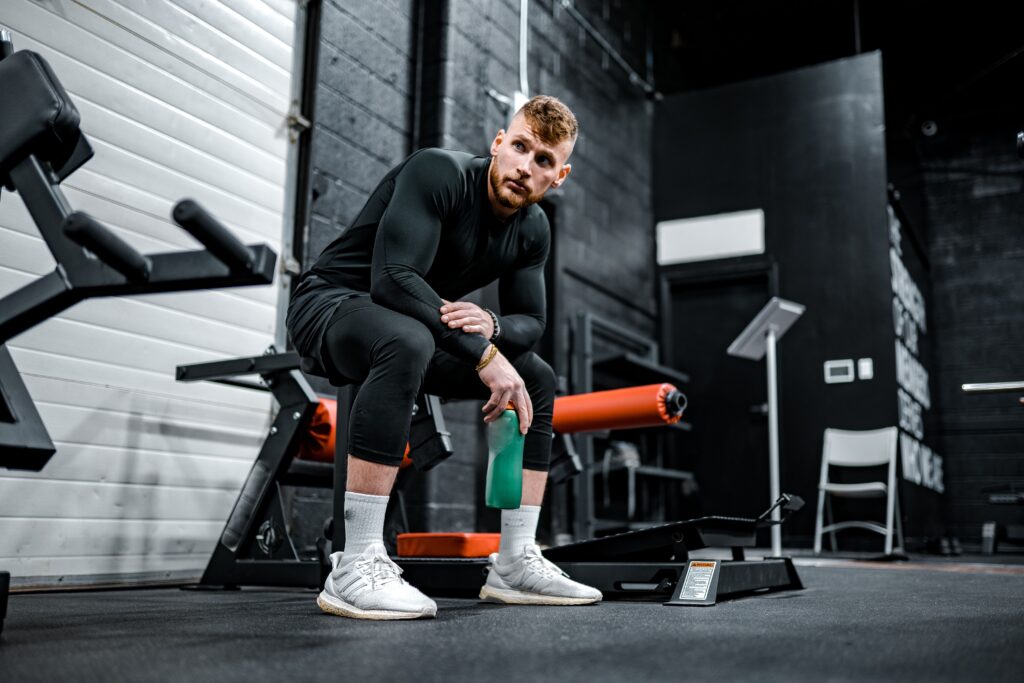
Athletes engaged in high-intensity sports, such as sprinting, rowing, and weightlifting, may benefit from beta-alanine supplementation due to its ability to delay fatigue and enhance performance. By increasing muscle carnosine levels, beta-alanine helps maintain optimal pH levels during intense efforts, allowing athletes to train harder and longer.
Moreover, combining beta-alanine with other supplements like creatine may have synergistic effects, further improving performance outcomes. However, more research is needed to fully understand these interactions.
Conclusion
Beta-alanine supplementation effectively delays fatigue during high-intensity workouts by increasing intramuscular carnosine levels, enhancing the muscle’s buffering capacity. Scientific evidence supports its use in improving performance in activities lasting 0.5–10 minutes. Athletes considering beta-alanine supplementation should adhere to recommended dosages and consult healthcare professionals to ensure safety and efficacy.
Key Takeaways
| Key Point | Details |
|---|---|
| Mechanism | Beta-alanine increases muscle carnosine, buffering hydrogen ions and delaying fatigue. |
| Effective Duration | Most beneficial for exercises lasting 0.5–10 minutes. |
| Dosage | 4–6 grams per day, divided into multiple doses. |
| Onset of Benefits | Significant improvements observed after at least 4 weeks of supplementation. |
| Safety | Generally safe; main side effect is paresthesia, which can be minimized with dosing strategies. |
| Athletic Application | Enhances performance in high-intensity sports by delaying fatigue. |
References
- Harris, R.C., Tallon, M.J., Dunnett, M., Boobis, L., Coakley, J., Kim, H.J., Fallowfield, J.L., Hill, C.A., Sale, C., & Wise, J.A. (2006). The absorption of orally supplied beta-alanine and its effect on muscle carnosine synthesis in human vastus lateralis. Amino Acids, 30(3), 279–289.
- Hobson, R.M., Saunders, B., Ball, G., Harris, R.C., & Sale, C. (2012). Effects of beta-alanine supplementation on exercise performance: a meta-analysis. Amino Acids, 43(1), 25–37.
- Saunders, B., Elliott-Sale, K., Artioli, G.G., Swinton, P.A., Dolan, E., Roschel, H., Sale, C., & Gualano, B. (2017). Beta-alanine supplementation to improve exercise capacity and performance: a systematic review and meta-analysis. British Journal of Sports Medicine, 51(8), 658–669.
- Stout, J.R., Cramer, J.T., Zoeller, R.F., Torok, D., Costa, P., Hoffman, J.R., Harris, R.C., & O’Kroy, J. (2008). Effects of beta-alanine supplementation on the onset of neuromuscular fatigue and ventilatory threshold in women. Amino Acids, 35(3), 633–639.
- International Society of Sports Nutrition. (2015). International Society of Sports Nutrition position stand: beta-alanine. Journal of the International Society of Sports Nutrition, 12, 30.