The shoulders are one of the most noticeable areas of the body and are the cornerstone to an athletic figure. Described ahead are the 7 best exercises for strong, defined and injury proof shoulders that everyone should pay close attention to.
Whether you are an athlete, regular gym goer, or a casual weightlifter, it probably is no surprise that the shoulders are an important part of any workout. For functionality, the shoulders are quite possibly one of the most important parts on the body. Strong shoulders can help to stabilize the shoulder joint, help to lift pretty much everything, and can help to prevent injury.


While there are various exercises you can do to achieve well-defined shoulders, the ones listed ahead are a step above the rest for various reasons. Let’s look ahead at what the shoulders can do for you and how to keep them strong. 
Anatomy of the Shoulder Muscles
The shoulders are made of a group of muscles that attach to the shoulder joint or scapula and play a pivotal role in providing stability in this area. Greater stability in this area can help you to avoid ailments, but also to help you in many lifts. Let’s look closer at the shoulder muscles.
- Deltoids – This medium-sized muscle is composed of three portions: the anterior, lateral, and posterior parts. Each portion acts on the shoulder in a slightly different way than the other, but overall, the deltoids abduct the upper arm while increasing the joint angle.
- Rotator Cuffs – These small muscles make up the stabilizing parts at the shoulder joint. Made up of four small muscles, the rotator cuffs perform external and internal rotation of the upper arm. Working these small muscles is critical in helping to prevent shoulder injuries and are crucial for joint stability.
- Trapezius – This large superficial muscle is a major contributor to shoulder strength and support. The trapezius has three portions: the upper, middle, and lower parts and each have differing roles on the shoulder. The upper trap can help in shoulder elevation, whereas the middle and lower parts are involved with scapular depression and arm rotation.
- Rhomboids – The not-so well-known shoulder and back muscles include the rhomboids. Comprising two portions: the minor and major, the rhomboids are responsible for squeezing of the shoulder blades and horizontal abduction of the upper arms. These muscles are crucial for injury prevention and necessary for posture.
Common Shoulder Injuries and Exercise Risks
Injuries to the shoulder and shoulder joint are perhaps the most common type of gym injury to occur and most adults will experience pain at some point. The rotator cuffs are small muscles that when too much weight or force is applied to them, can tear. Also, the instability at the shoulder joint really places this area at risk of injury with a few lifts to be known culprits:
- Snatch
- Overhead Press
- Bench Press
- HIIT training exercises
Ways to Master Impeccable Shoulder Exercise Form
Mastering a safe and effective form for any shoulder lift can take time, but the hard work will pay off. Start off with lighter than normal weight or a reduced load until you master a smooth and safe range of motion.
Once your form is in place, only progress slowly as too much weight too soon can be risky for injuries. When in doubt, it’s important to have someone to spot you as you progress through any shoulder exercise. 
7 Best Exercises for Strong, Defined and Injury Proof Shoulders
Adding these handpicked exercises to your shoulder and back day can help to add strength, definition, and protect the shoulders. Let’s look at the following exercises ahead.
- Barbell Standing Overhead Press. One of the most reliable and common shoulder exercises, this shoulder press variation works the deltoids, traps, and rotator cuffs through stabilization. This should be a staple exercise to develop definition, but start with lighter weight until you are experienced with the lift.
- Dumbbell Lateral Raise. Another lift you need to add to your repertoire, the dumbbell lateral raise can work all parts of the deltoid muscles depending on your angle. Start light with this lift as well and consider leaving a slight bend in the elbows to help reduce the risk of injury.
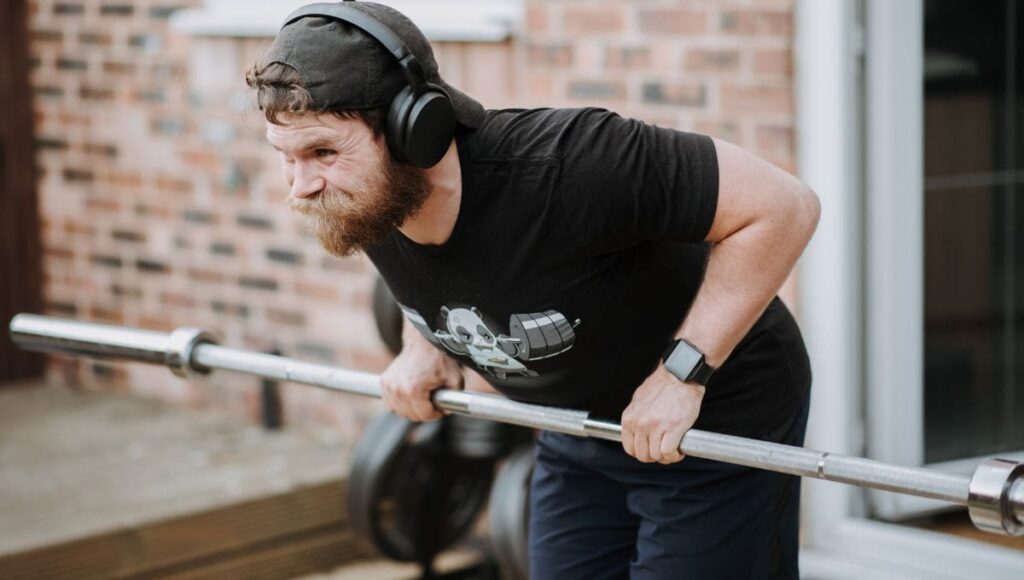
- Reverse Deltoid Fly. This can be performed either standing with a bend or lying supine on a bench. The reverse fly targets the posterior deltoid and rhomboids for a highly effective exercise. This is more challenging than the standard fly so start light before slowly progressing your weight.
- Standing Bent Elbow External Rotation. This exercise is a great way to target the rotator cuffs, specifically teres major and minor. With the elbows out at the side and shoulder height, keep a bend in the elbows and rotate the arms front and backwards. It is important to perform controlled movements in this lift and while you can use a small weight plate, a resistance band or cable machine might allow for best results.
- Cable Rows. The cable machine offers great versatility in rows. This version is best standing and lifting the hands to chest level and palms facing down. When performing a high cable row at the height of the chest, the rhomboids and traps are worked in a concentric motion.
- Barbell Upright Row. Perhaps the one exercise in this list where you can add heavy weight, the barbell upright row works the upper traps. Consider going heavy for hypertrophy training or add enough volume to make sets of 15 to be challenging.
- Dumbbell Arnold Press. Coined by Arnold Schwarzenegger, this press involves holding dumbbells in front of the body, with the palms facing the body. Press the weights above the head while rotating the arms and finishing with the palms facing forward before returning. This press shreds all parts of the deltoids, biceps, and works the traps.
Points to Consider
The shoulders are vital to an athletic look and crucial for shoulder joint stability. While many lifts have wiggle room for heavy lifting, the shoulders are not as adept.
Whenever you work the shoulders, you want enough weight to create hypertrophy gains, but this can happen at a much smaller load. Start light with many of these lifts and progress slower when adding weight.
Try to avoid swinging the weight when targeting the shoulders and if you notice you are using momentum to get the job done, just remember that makes the lift easier. It’s ok to struggle in these lifts because that’s how muscles adapt. Just always be aware of form for optimal safety.