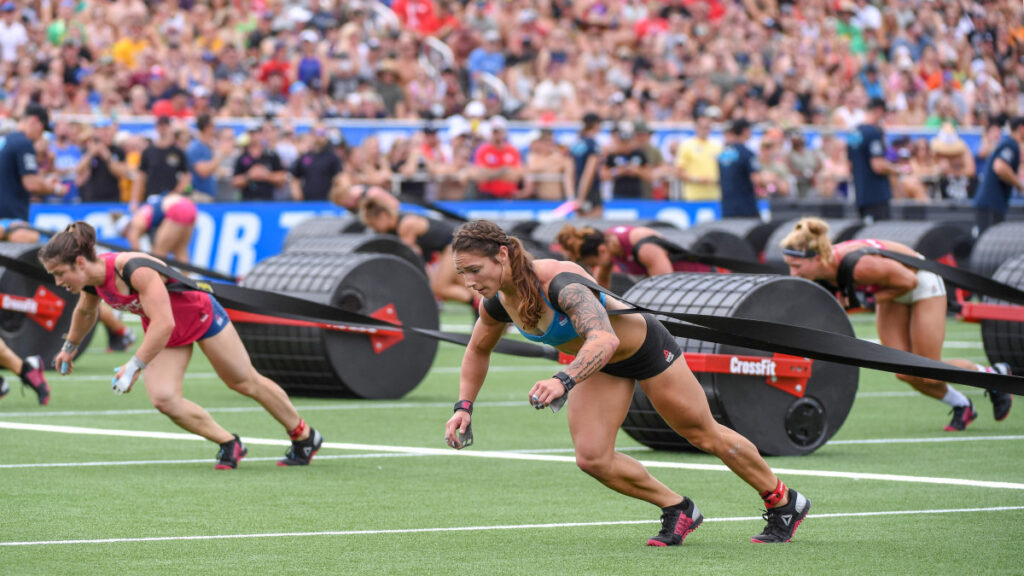
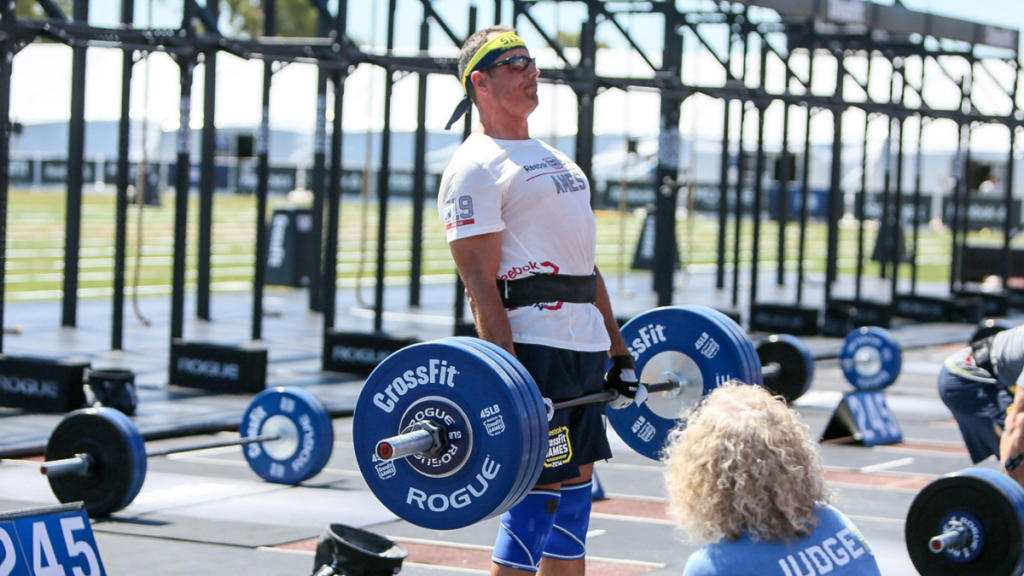
The human body relies on a complex and highly adaptable bioenergetic system to meet energy demands during physical activity. These systems allow athletes to perform across a wide spectrum of intensities and durations, from explosive lifts to marathon runs. Understanding the four primary energy systems and how to train each effectively can lead to superior athletic performance, increased efficiency, and reduced injury risk.
This article explores the phosphagen, glycolytic, oxidative, and lactate threshold systems—breaking down their physiological mechanisms and detailing how to train each for maximum results.


The Phosphagen System (ATP-PCr)
[wpcode id=”229888″]What It Is
The phosphagen system, also known as the ATP-PCr system, is the fastest way the body produces energy. It uses adenosine triphosphate (ATP) stored in muscles and replenishes it quickly via phosphocreatine (PCr). This system powers explosive, high-intensity efforts lasting 10 seconds or less, such as sprinting, Olympic lifts, or maximal vertical jumps.
ATP concentrations in skeletal muscle are limited, and phosphocreatine acts as a rapid phosphate donor to resynthesize ATP from adenosine diphosphate (ADP). Creatine kinase catalyzes this reaction. Due to its speed and simplicity, the phosphagen system is dominant during the first seconds of high-power output but fatigues quickly because stores of PCr are limited.
How to Train It
Training the phosphagen system involves short-duration, maximum-effort bursts with long recovery periods. Key principles include:
- High intensity (90–100% max effort)
- Short duration (5–10 seconds per set)
- Long rest (1–3 minutes)
Example modalities include:
- Sled pushes
- 20-30m sprints
- Heavy cleans or snatches at >90% 1RM
- Medicine ball throws for max velocity

Research shows that repeated sprint training (RST) can improve PCr resynthesis rates and enhance the phosphagen system’s efficiency (Bogdanis et al., 1996). Furthermore, creatine monohydrate supplementation has been consistently demonstrated to increase intramuscular PCr stores, improving performance in short, intense bouts (Greenhaff et al., 1994).
The Glycolytic System
What It Is
The glycolytic or anaerobic glycolysis system produces ATP through the breakdown of glucose or glycogen without oxygen. It supports medium-duration, high-intensity work (15 seconds to 2 minutes), like 400m sprints, CrossFit-style metcons, or circuit training.
Glycolysis produces ATP rapidly but generates lactate and hydrogen ions as byproducts. The accumulation of these byproducts contributes to the drop in pH (metabolic acidosis), which can impair muscular function and cause fatigue.
How to Train It
Effective glycolytic system training balances high intensity with sufficient duration to stimulate adaptations without overly accumulating fatigue:
- Moderate to high intensity (70–90% max effort)
- Duration of 30 seconds to 2 minutes
- Rest intervals of 1:2 or 1:3 work-to-rest ratio
Effective formats include:
- 200–400m sprint repeats
- Assault bike intervals of 30s on, 90s off
- Circuit training with minimal rest
- EMOMs (Every Minute on the Minute) of 2–3 high-effort movements
Repeated bouts of glycolytic work improve buffering capacity, mitochondrial density, and enzymatic function (Spriet et al., 1989). Buffering capacity can be further enhanced by high-intensity interval training (HIIT), which has been shown to increase monocarboxylate transporter (MCT) content—facilitating better lactate handling (Pilegaard et al., 1999).
The Oxidative System
What It Is
The oxidative (aerobic) energy system produces ATP via the complete oxidation of carbohydrates, fats, and sometimes proteins in the presence of oxygen. It is the primary energy source during rest and low-to-moderate intensity activities lasting more than two minutes, including jogging, rowing, and cycling.
The system’s strength lies in its high ATP yield and sustainability. Although it’s much slower than anaerobic pathways, it allows for prolonged activity. The oxidative system uses glycolysis, the Krebs cycle, and the electron transport chain in sequence to produce ATP.
How to Train It
Training the oxidative system involves continuous or intermittent efforts at moderate intensities, focusing on enhancing cardiovascular efficiency, mitochondrial function, and fat utilization:
- Low to moderate intensity (50–75% max heart rate)
- Long duration (20 minutes to several hours)
- Minimal rest or active recovery
Effective methods include:
- Long slow distance (LSD) running
- Zone 2 cycling
- Rowing at a conversational pace for 45–60 minutes
- Tempo runs and fartlek workouts
Endurance training leads to increased stroke volume, capillary density, and mitochondrial biogenesis (Holloszy & Booth, 1976). These adaptations improve oxygen delivery and utilization. Furthermore, regular aerobic training increases Type I muscle fiber function and enhances recovery by improving parasympathetic tone (Seiler & Tønnessen, 2009).
The Lactate Threshold System
What It Is
The lactate threshold (LT) is not a distinct energy system but rather a performance marker denoting the highest intensity at which lactate production and clearance are balanced. Beyond this point, lactate begins to accumulate rapidly, signaling a shift toward unsustainable effort.

LT is a critical determinant of endurance performance. Athletes with higher thresholds can maintain faster paces without succumbing to fatigue. It reflects the efficiency of the oxidative system and lactate recycling mechanisms.
How to Train It
Improving LT requires training at or just above the intensity where lactate accumulation begins to rise. This can elevate the threshold and improve tolerance to higher intensities:
- Threshold pace (80–90% VO2 max or ~85% max HR)
- Interval durations of 4–20 minutes
- Short rest (1:1 ratio or less)
Example sessions:
- 4 x 8 minutes at threshold with 2-minute jog recovery
- Tempo runs of 20–30 minutes at steady pace just below LT
- Cruise intervals (e.g., 6 x 1000m at 10k pace with 60s rest)
Lactate threshold training leads to increases in mitochondrial enzyme activity and lactate clearance rate (Billat et al., 2003). It also enhances the efficiency of Type I and Type IIa muscle fibers, which are active during submaximal efforts (Coyle et al., 1988).
Integrating All Four Systems into a Training Program
To maximize results, athletes must avoid training any energy system in isolation. A well-rounded program periodizes all systems based on the athlete’s goals and competition schedule. For example:
- Offseason: Emphasis on aerobic base and strength (oxidative + phosphagen)
- Preseason: Incorporation of glycolytic and LT intervals to prepare for intensity
- In-season: Maintain aerobic base while sharpening speed and power
Cross-training modalities like mixed modal interval work (e.g., CrossFit), tempo lifting, and sport-specific drills allow for seamless integration of systems. For instance, a single workout may begin with oxidative work, move to glycolytic intervals, and finish with explosive phosphagen sprints.
Recovery must also be system-specific. The phosphagen system may need 3–5 minutes to fully replenish PCr stores, whereas oxidative efforts can be sustained with minimal rest. Monitoring heart rate variability (HRV) and perceived exertion can guide recovery planning.
Conclusion
Optimizing performance requires an in-depth understanding of the four energy systems. The phosphagen system fuels short, explosive efforts; the glycolytic system supports medium-duration high-intensity work; the oxidative system sustains prolonged activity; and the lactate threshold defines the upper aerobic performance limit.
Each can be trained with specific intensity, duration, and rest parameters to elicit physiological adaptations. A strategic, integrated approach leads to improved endurance, power, and recovery—cornerstones of athletic excellence.
Bibliography
Billat, V.L., Sirvent, P., Py, G., Koralsztein, J.P. & Mercier, J. (2003). The concept of maximal lactate steady state: a bridge between biochemistry, physiology and sport science. Sports Medicine, 33(6), pp.407–426.
Bogdanis, G.C., Nevill, M.E., Boobis, L.H., Lakomy, H.K. & Nevill, A.M. (1996). Recovery of power output and muscle metabolites following 30 s of maximal sprint cycling in man. The Journal of Physiology, 491(Pt 3), pp.703–713.
Coyle, E.F., Coggan, A.R., Hopper, M.K. & Walters, T.J. (1988). Determinants of endurance in well-trained cyclists. Journal of Applied Physiology, 64(6), pp.2622–2630.
Greenhaff, P.L., Bodin, K., Söderlund, K. & Hultman, E. (1994). Effect of oral creatine supplementation on skeletal muscle phosphocreatine resynthesis. American Journal of Physiology-Endocrinology And Metabolism, 266(5), pp.E725–E730.
Holloszy, J.O. & Booth, F.W. (1976). Biochemical adaptations to endurance exercise in muscle. Annual Review of Physiology, 38(1), pp.273–291.
Pilegaard, H., Osada, T., Andersen, L.T., Helge, J.W., Saltin, B. & Neufer, P.D. (1999). Substrate availability and transcriptional regulation of metabolic genes in human skeletal muscle during recovery from exercise. Metabolism, 48(4), pp.447–453.
Seiler, S. & Tønnessen, E. (2009). Intervals, thresholds, and long slow distance: the role of intensity and duration in endurance training. Sports Science, 13(3), pp.52–59.
Spriet, L.L., Lindinger, M.I., McKelvie, R.S., Heigenhauser, G.J.F. & Jones, N.L. (1989). Muscle glycogenolysis and H+ concentration during maximal intermittent cycling. Journal of Applied Physiology, 66(1), pp.8–13.