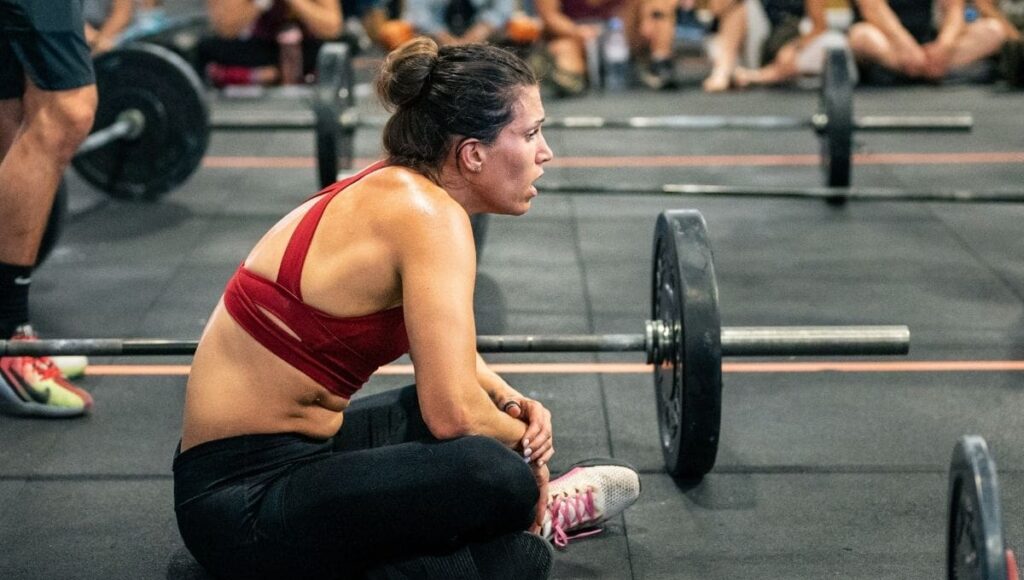
Muscle soreness after a demanding workout is a common experience among both recreational and elite athletes. Known as delayed onset muscle soreness (DOMS), it typically emerges 12 to 24 hours after exercise and peaks between 24 and 72 hours.
Although it’s a normal response to physical exertion—especially when you push your limits or try a new training stimulus—it can disrupt performance, impair daily activities, and discourage consistency in training.


While over-the-counter anti-inflammatories are often used to manage soreness, natural methods can be equally or more effective and safer for long-term use. Below, we explore six scientifically backed natural strategies to reduce muscle soreness after tough workouts, enhancing recovery and optimizing performance.
What Causes Muscle Soreness?
DOMS primarily results from micro-damage to muscle fibers caused by eccentric exercise—movements where muscles lengthen under tension, such as downhill running, lowering a weight, or decelerating quickly. This microtrauma triggers an inflammatory response, increasing the sensitivity of nociceptors (pain receptors) in the muscle. The subsequent swelling, stiffness, and tenderness are classic symptoms of DOMS.
Several natural approaches can help mitigate these effects, either by reducing inflammation, promoting circulation, supporting cellular repair, or influencing pain perception.
1. Active Recovery

Gentle Movement Enhances Circulation
Active recovery involves engaging in low-intensity activities such as walking, cycling, swimming, or yoga the day after a hard workout. These activities increase blood flow to sore muscles, enhancing oxygen and nutrient delivery while facilitating the removal of metabolic waste products such as lactate and hydrogen ions.
A study by Vaile et al. (2008) demonstrated that low-intensity cycling post-exercise significantly reduced perceived muscle soreness compared to passive recovery. Similarly, a review by Dupuy et al. (2018) found that active recovery was one of the most consistently effective interventions for DOMS among athletes.
Mechanism of Benefit
Active recovery prevents blood pooling, enhances lymphatic drainage, and promotes mitochondrial biogenesis, all of which support faster muscle repair.
2. Cold Water Immersion
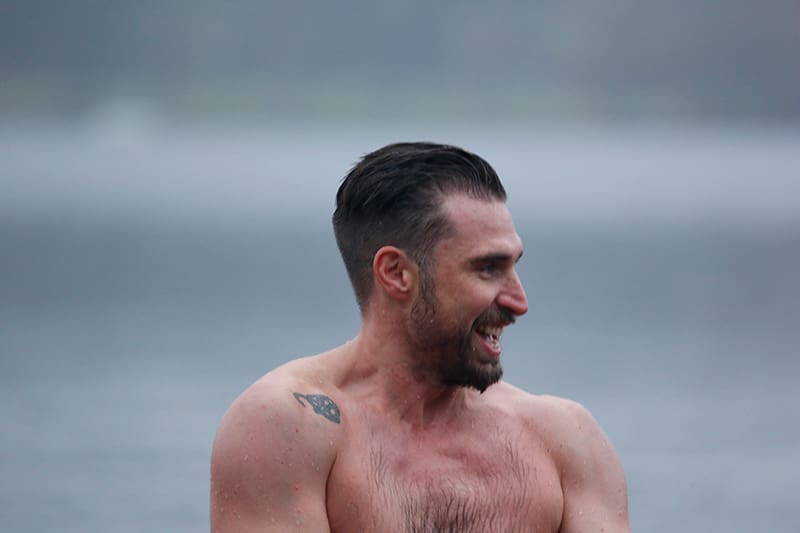
Reducing Inflammation Through Hydrotherapy
Cold water immersion (CWI) involves submerging the body or limbs in cold water (typically 10–15°C) for 10–15 minutes post-exercise. The primary mechanism is vasoconstriction, which reduces local inflammation and tissue temperature. Upon exiting the cold water, a rebound vasodilation enhances circulation, further flushing metabolic waste.
A meta-analysis by Leeder et al. (2012) concluded that CWI significantly decreased muscle soreness at 24, 48, and 72 hours post-exercise compared to passive recovery. The study noted optimal results with immersion durations of 11–15 minutes.
Practical Application
Whole-body immersion is more effective than limb-only approaches, especially for workouts involving large muscle groups. However, CWI should be timed correctly, as immediate immersion may blunt hypertrophic adaptations if used too frequently (Roberts et al., 2015).
3. Omega-3 Fatty Acids

Anti-Inflammatory Support from Nutrition
Omega-3 polyunsaturated fatty acids (PUFAs), particularly eicosapentaenoic acid (EPA) and docosahexaenoic acid (DHA), exhibit potent anti-inflammatory properties. They inhibit pro-inflammatory cytokines and modulate the expression of genes related to inflammation and oxidative stress.
Tartibian et al. (2009) found that daily supplementation with 1.8 g of omega-3s for 30 days reduced DOMS, muscle stiffness, and markers of inflammation in trained men after eccentric exercise. Another study by Jouris et al. (2011) confirmed that omega-3 supplementation significantly lowered soreness and preserved strength following eccentric training.
Dietary Sources and Dosage
Omega-3s are abundant in fatty fish (like salmon, mackerel, and sardines), flaxseed, chia seeds, and walnuts. Effective supplementation typically ranges between 1.5 to 3 g/day of combined EPA and DHA.
4. Massage Therapy
Mechanical Stimulation for Muscle Recovery
Massage is widely used by athletes to enhance recovery, improve flexibility, and reduce soreness. The proposed mechanisms include increasing blood and lymphatic flow, reducing muscle stiffness, decreasing neuromuscular excitability, and influencing hormonal responses.
A systematic review by Poppendieck et al. (2016) found that massage performed within 2 hours of exercise significantly reduced muscle soreness up to 96 hours post-exercise. Furthermore, Crane et al. (2012) showed that a 10-minute massage downregulated NF-kB signaling and upregulated mitochondrial biogenesis pathways in muscle tissue.
Optimal Technique
Myofascial release, Swedish massage, and trigger point therapy have shown the most consistent results. While professional massages are effective, self-massage tools like foam rollers or massage guns can also offer benefits when used correctly.
5. Sleep and Circadian Recovery
Hormonal Repair and Regeneration
Sleep is the cornerstone of recovery. It supports muscle repair, hormone production (such as growth hormone and testosterone), and cognitive restoration. Poor sleep quality or duration impairs immune function and increases the perception of pain, potentially exacerbating DOMS.
Mah et al. (2011) demonstrated that increasing sleep duration improved athletic performance, mood, and alertness in collegiate basketball players. Similarly, Fullagar et al. (2015) noted a strong correlation between sleep quantity/quality and markers of recovery in elite athletes.
Strategies for Sleep Optimization
Athletes should aim for 7–9 hours of high-quality sleep nightly. Key practices include maintaining a regular sleep schedule, avoiding blue light exposure before bed, and using sleep-promoting techniques like meditation, breath work, or magnesium supplementation.
6. Curcumin Supplementation
Plant-Based Anti-Inflammatory Power
Curcumin, the active compound in turmeric, exhibits antioxidant, anti-inflammatory, and analgesic effects. It suppresses pro-inflammatory cytokines such as TNF-α and IL-6, making it a potent natural agent for reducing DOMS.
In a double-blind study by Nicol et al. (2015), participants who took 400 mg of curcumin twice daily experienced significantly less soreness and maintained more strength post-exercise compared to the placebo group. Another study by McFarlin et al. (2016) showed similar findings with a specialized curcumin formulation (Theracurmin), which improved muscle recovery markers in healthy men.
Bioavailability Matters
Standard curcumin has low bioavailability, so choosing formulations with enhanced absorption—such as curcumin phytosomes, nanoparticles, or piperine-enhanced versions—is critical for efficacy.
Bibliography
- Crane, J. D., Ogborn, D. I., Cupido, C., Melov, S., Hubbard, A., Bourgeois, J. M., Tarnopolsky, M. A. (2012). Massage therapy attenuates inflammatory signaling after exercise-induced muscle damage. Science Translational Medicine, 4(119), 119ra13.
- Dupuy, O., Douzi, W., Theurot, D., Bosquet, L., Dugué, B. (2018). An evidence-based approach for choosing post-exercise recovery techniques to reduce markers of muscle damage, soreness, fatigue, and inflammation: A systematic review with meta-analysis. Frontiers in Physiology, 9, 403.
- Fullagar, H. H. K., Skorski, S., Duffield, R., Hammes, D., Coutts, A. J., Meyer, T. (2015). Sleep and athletic performance: The effects of sleep loss on exercise performance, and physiological and cognitive responses to exercise. Sports Medicine, 45(2), 161–186.
- Jouris, K. B., McDaniel, J. L., Weiss, E. P. (2011). The effect of omega-3 fatty acid supplementation on the inflammatory response to eccentric strength exercise. Journal of Sports Science and Medicine, 10(3), 432–438.
- Leeder, J., Gissane, C., van Someren, K., Gregson, W., Howatson, G. (2012). Cold water immersion and recovery from strenuous exercise: A meta-analysis. British Journal of Sports Medicine, 46(4), 233–240.
- Mah, C. D., Mah, K. E., Kezirian, E. J., Dement, W. C. (2011). The effects of sleep extension on the athletic performance of collegiate basketball players. Sleep, 34(7), 943–950.
- McFarlin, B. K., Venable, A. S., Henning, A. L., Sampson, J. N., Pennel, K., Vingren, J. L., Hill, D. W. (2016). Reduced inflammatory and muscle damage biomarkers following oral supplementation with bioavailable curcumin. BBA Clinical, 5, 72–78.
- Nicol, L. M., Rowlands, D. S., Fazakerly, R., Kellett, J. (2015). Curcumin supplementation likely attenuates delayed onset muscle soreness (DOMS). European Journal of Applied Physiology, 115(8), 1769–1777.
- Poppendieck, W., Wegmann, M., Ferrauti, A., Kellmann, M., Pfeiffer, M., Meyer, T. (2016). Massage and performance recovery: A meta-analytical review. Sports Medicine, 46(2), 183–204.
- Roberts, L. A., Raastad, T., Markworth, J. F., Figueiredo, V. C., Egner, I. M., Shield, A., Cameron-Smith, D., Coombes, J. S., Peake, J. M. (2015). Post-exercise cold water immersion attenuates acute anabolic signaling and long-term adaptations in muscle to strength training. The Journal of Physiology, 593(18), 4285–4301.
- Tartibian, B., Maleki, B. H., Abbasi, A. (2009). The effects of omega-3 supplementation on DOMS and inflammatory markers after eccentric exercise. Journal of Sports Science and Medicine, 8(4), 502–508.
- Vaile, J., Gill, N., Blazevich, A., Thom, J., Dawson, B. (2008). The effect of contrast water therapy on symptoms of delayed onset muscle soreness. European Journal of Applied Physiology, 102(4), 447–455.