Optimizing gut health is no longer just a concern for individuals with digestive disorders—it’s a central component of physical performance, mental sharpness, and overall vitality. The gut, also known as the gastrointestinal (GI) tract, hosts trillions of microbes collectively referred to as the gut microbiota.
These microorganisms influence nutrient absorption, inflammation, immunity, hormonal balance, and even cognition. For athletes and fitness enthusiasts, a healthy gut can translate to better energy utilization, faster recovery, and improved resilience under stress. This article outlines nine science-backed strategies to enhance gut health, all aimed at boosting physical performance and well-being.


1. Diversify Your Diet with Plant-Based Foods

Why Diversity Matters
The more diverse your diet, the more diverse your gut microbiota—and that’s a good thing. A wide range of microbial species ensures that your gut can perform a variety of functions efficiently, from digesting complex carbohydrates to synthesizing vitamins and defending against pathogens. Research from the American Gut Project found that individuals who consumed more than 30 different types of plants per week had significantly more diverse gut microbiomes compared to those who ate 10 or fewer types (McDonald et al., 2018).
How It Boosts Performance
Diverse plant foods provide fermentable fibers, or prebiotics, that fuel beneficial bacteria such as Bifidobacteria and Lactobacilli.
[wpcode id=”229888″]These bacteria produce short-chain fatty acids (SCFAs) like butyrate, which reduce intestinal inflammation and enhance the gut barrier function—crucial for avoiding “leaky gut” symptoms common in endurance athletes (Morrison & Preston, 2016).
2. Prioritize Fermented Foods
Natural Probiotics for Gut Resilience
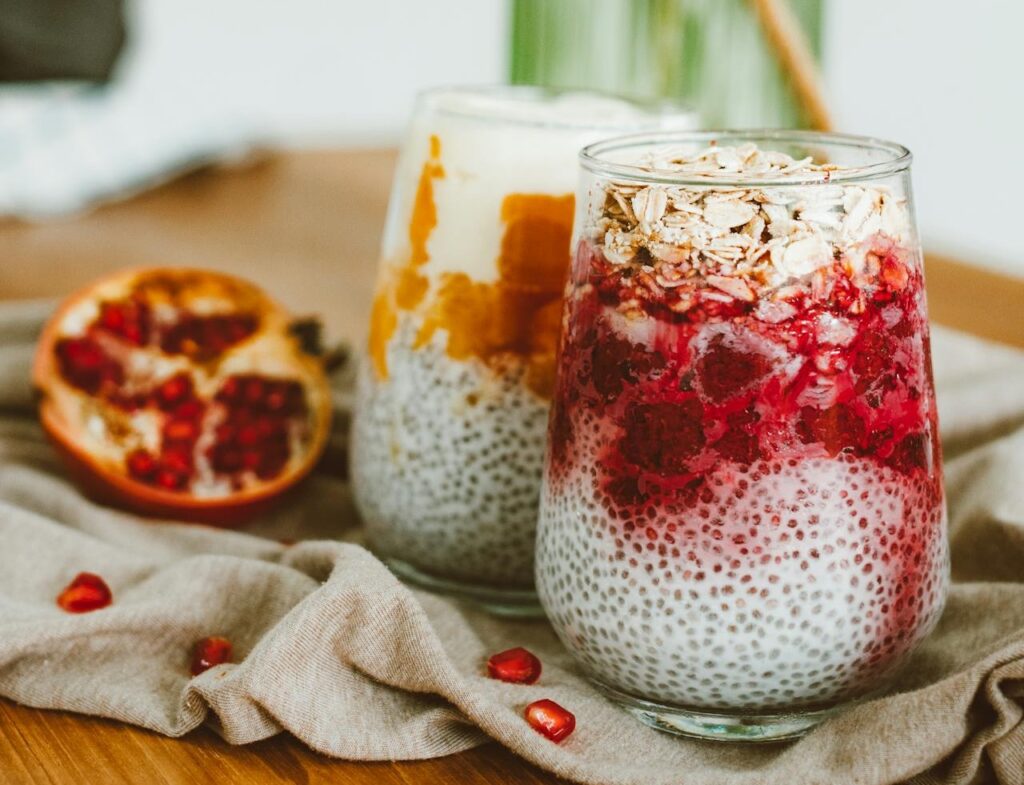
Fermented foods such as kefir, yogurt, sauerkraut, kimchi, and miso contain live bacteria that can temporarily colonize the gut and outcompete harmful species. A study in Cell demonstrated that daily consumption of fermented foods increased microbiome diversity and decreased markers of inflammation, including IL-6 and TNF-alpha (Wastyk et al., 2021).
Performance Link
For athletes, reducing systemic inflammation is key to recovery and training consistency. A balanced immune response allows for better adaptation to exercise stress and lowers the risk of overtraining syndrome, which has been correlated with altered gut microbial composition (Clarke et al., 2014).
3. Supplement with Prebiotic Fibers
Feeding the Good Guys
Prebiotics like inulin, fructooligosaccharides (FOS), and galactooligosaccharides (GOS) are non-digestible fibers that selectively feed beneficial bacteria. A randomized trial in the British Journal of Nutrition showed that GOS supplementation increased levels of Bifidobacteria and decreased the abundance of potentially pathogenic bacteria in active individuals (Vulevic et al., 2015).
Athletic Impact
Prebiotic fibers improve stool consistency, reduce gastrointestinal discomfort during training, and enhance mineral absorption, including magnesium and calcium—key for muscular contraction and bone health (Scholz-Ahrens & Schrezenmeir, 2007).
4. Reduce Intake of Processed Foods and Emulsifiers
Hidden Disruptors
Highly processed foods often contain emulsifiers like polysorbate 80 and carboxymethylcellulose, which have been shown to disrupt the mucosal lining of the intestine and alter the gut microbiota in detrimental ways. In mouse models, these substances increased bacterial translocation and systemic inflammation, contributing to metabolic dysfunction (Chassaing et al., 2015).
Relevance to Performance
Inflammation impairs recovery and adaptation. By avoiding processed ingredients, especially during high-volume training blocks, athletes can reduce gut stress and maintain optimal nutrient assimilation.
5. Monitor Antibiotic Use Cautiously

Collateral Damage
While sometimes necessary, antibiotics can drastically reduce microbial diversity and lead to dysbiosis—a disrupted gut ecosystem. Recovery from antibiotic-induced dysbiosis can take weeks or even months, particularly in those with low dietary fiber intake (Dethlefsen & Relman, 2011).
Consequence for Athletes
Post-antibiotic dysbiosis can reduce resistance to infections, increase fatigue, and impair digestion. If antibiotics are essential, concurrent intake of probiotics (e.g., Lactobacillus rhamnosus GG) has been shown to shorten recovery of microbial balance and reduce GI side effects (Korpela et al., 2018).
6. Stay Hydrated and Optimize Electrolyte Balance
Hydration Supports Gut Motility
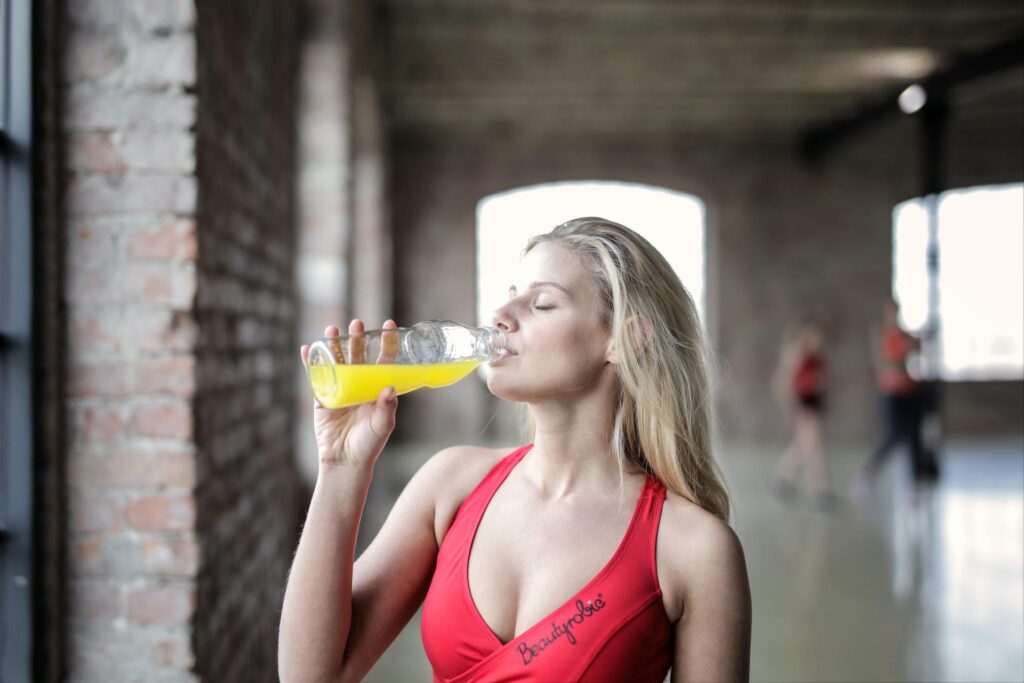
Adequate hydration is crucial for maintaining gut motility and preventing constipation, which can alter the microbiota and increase intestinal permeability. A study in Nutrients highlighted the importance of hydration status on mucosal barrier integrity and microbial profile (Mao et al., 2020).
Practical Implications
During training or competition, dehydration impairs gastric emptying and nutrient absorption. Sodium and potassium balance also affects water transport across the intestinal lining, influencing performance under heat stress or during prolonged exertion.
7. Manage Stress to Protect Gut-Brain Axis
The Gut-Brain Connection
Psychological stress activates the hypothalamic-pituitary-adrenal (HPA) axis, releasing cortisol and catecholamines that can alter gut motility and permeability. Chronic stress reduces beneficial microbes like Lactobacilli while increasing potentially pathogenic species (Bailey et al., 2011).
Athletic Consequences
Pre-competition anxiety or life stress can trigger bloating, cramps, or diarrhea, impairing performance. Stress management techniques like mindfulness, breathwork, or yoga can restore vagal tone and modulate gut function (Carabotti et al., 2015).
8. Sleep Enough—It Shapes the Microbiome

Microbial Circadian Rhythms
Gut microbes follow diurnal cycles influenced by host sleep-wake patterns. Disruption of circadian rhythms, such as from shift work or poor sleep, leads to microbial imbalances and increased gut permeability (Thaiss et al., 2014).
Sleep and Performance
Poor sleep is linked to lower microbial diversity and reduced abundance of SCFA-producing bacteria. This affects both metabolism and inflammation, which are critical for performance and recovery in athletes.
9. Consider Targeted Probiotics
Strain-Specific Benefits
Not all probiotics are created equal. Specific strains like Lactobacillus plantarum TWK10 have shown to improve endurance performance in humans by increasing muscle glycogen content and reducing fatigue (Huang et al., 2019). Similarly, Bifidobacterium longum 35624 has demonstrated anti-inflammatory effects and improved gut barrier function (O’Mahony et al., 2005).
Practical Use
For athletes, targeted probiotic supplementation—ideally under guidance from a sports dietitian—can support gut health during periods of intense training, travel, or antibiotic use.
Bibliography
Bailey, M.T., Dowd, S.E., Galley, J.D., Hufnagle, A.R., Allen, R.G. & Lyte, M. (2011) ‘Exposure to a social stressor alters the structure of the intestinal microbiota: implications for stressor-induced immunomodulation’, Brain, Behavior, and Immunity, 25(3), pp. 397–407.
Carabotti, M., Scirocco, A., Maselli, M.A. & Severi, C. (2015) ‘The gut-brain axis: interactions between enteric microbiota, central and enteric nervous systems’, Annals of Gastroenterology, 28(2), pp. 203–209.
Chassaing, B., Koren, O., Goodrich, J.K., Poole, A.C., Srinivasan, S., Ley, R.E. & Gewirtz, A.T. (2015) ‘Dietary emulsifiers impact the mouse gut microbiota promoting colitis and metabolic syndrome’, Nature, 519(7541), pp. 92–96.
Clarke, S.F., Murphy, E.F., O’Sullivan, O., Ross, R.P., O’Toole, P.W., Shanahan, F. & Cotter, P.D. (2014) ‘Exercise and associated dietary extremes impact on gut microbial diversity’, Gut, 63(12), pp. 1913–1920.
Dethlefsen, L. & Relman, D.A. (2011) ‘Incomplete recovery and individualized responses of the human distal gut microbiota to repeated antibiotic perturbation’, Proceedings of the National Academy of Sciences, 108(Suppl 1), pp. 4554–4561.
Huang, W.-C., Lee, M.-C., Lee, C.-C., Ng, K.S., Hsu, Y.-J., Tsai, T.-Y. & Huang, C.-C. (2019) ‘Effect of Lactobacillus plantarum TWK10 on improving endurance performance in humans’, Nutrients, 11(4), p. 683.
Korpela, K., Salonen, A., Virta, L.J., Kekkonen, R.A., de Vos, W.M. & Satokari, R. (2018) ‘Intestinal microbiome is related to lifetime antibiotic use in Finnish pre-school children’, Nature Communications, 7, p. 10410.
Mao, B., Li, D., Zhao, J., Liu, X., Gu, Z., Chen, Y.Q. & Zhang, H. (2020) ‘Involvement of gut microbiome in human health and disease’, Nutrients, 12(11), p. 3279.
McDonald, D., Hyde, E., Debelius, J.W., Morton, J.T., Gonzalez, A., Ackermann, G., Aksenov, A.A. et al. (2018) ‘American Gut: an Open Platform for Citizen Science Microbiome Research’, mSystems, 3(3), e00031-18.
Morrison, D.J. & Preston, T. (2016) ‘Formation of short chain fatty acids by the gut microbiota and their impact on human metabolism’, Gut Microbes, 7(3), pp. 189–200.
O’Mahony, L., McCarthy, J., Kelly, P., Hurley, G., Luo, F., Chen, K., O’Sullivan, G.C. et al. (2005) ‘Lactobacillus and bifidobacterium in irritable bowel syndrome: symptom responses and relationship to cytokine profiles’, Gastroenterology, 128(3), pp. 541–551.
Scholz-Ahrens, K.E. & Schrezenmeir, J. (2007) ‘Inulin and oligofructose and mineral metabolism: the evidence from animal trials’, The Journal of Nutrition, 137(11 Suppl), pp. 2513S–2523S.
Thaiss, C.A., Zeevi, D., Levy, M., Zilberman-Schapira, G., Suez, J., Tengeler, A.C., Abramson, L. et al. (2014) ‘Transkingdom control of microbiota diurnal oscillations promotes metabolic homeostasis’, Cell, 159(3), pp. 514–529.
Vulevic, J., Juric, A., Walton, G.E., Claus, S.P., Tzortzis, G., Toward, R.E., Gibson, G.R. et al. (2015) ‘Influence of galacto-oligosaccharide mixture on gut microbiota, immune parameters and metabonomics in healthy adults’, British Journal of Nutrition, 114(4), pp. 586–595.
Wastyk, H.C., Fragiadakis, G.K., Perelman, D., Dahan, D., Merrill, B.D., Yu, F.B., Topf, M. et al. (2021) ‘Gut-microbiota-targeted diets modulate human immune status’, Cell, 184(16), pp. 4137–4153.e14.