Clean eating is widely recognized for its potential to improve overall health, reduce chronic disease risk, and support optimal physical performance. However, many individuals believe that eating clean automatically means higher grocery bills.
This is not entirely accurate. With careful planning and a strategic grocery list, clean eating can be both accessible and economical. This article breaks down exactly what to buy and why, grounded in scientific research and practical budgeting strategies. Whether you’re looking to optimize your performance, lose fat, gain muscle, or simply feel better, this guide is for you.


What Is Clean Eating?

Clean eating focuses on consuming whole, minimally processed foods that provide high nutritional value. It typically includes:
- Vegetables and fruits in abundance
- Whole grains
- Lean proteins
- Healthy fats
- Limited added sugars, sodium, and industrial trans fats
According to the Academy of Nutrition and Dietetics, diets based on whole foods are associated with a reduced risk of cardiovascular disease, certain cancers, and metabolic syndrome. The goal is not perfection but consistency and awareness of food choices.
The Science of Clean Eating and Health Outcomes
Numerous studies link clean eating habits to better health outcomes. For instance, a systematic review published in Nutrients found that plant-based diets and whole food-focused eating patterns reduced all-cause mortality and cardiovascular events (Satija et al., 2016).
Meanwhile, dietary patterns rich in ultra-processed foods are linked with increased obesity, type 2 diabetes, and depression (Monteiro et al., 2019). Thus, choosing whole over processed foods is not a trend but a science-backed lifestyle.
Strategy: Clean Eating on a Budget
1. Buy in Bulk (Smartly)
Buying in bulk can save money, especially for staple items like:
- Oats
- Rice
- Lentils
- Beans
- Frozen fruits and vegetables
Dry legumes and grains are shelf-stable and provide excellent macronutrient density. For example, 100g of dry lentils provides around 25g of protein and is high in fiber and iron, according to the USDA.
2. Shop Seasonally
Seasonal produce is not only fresher and more nutritious but often cheaper due to supply surges. A study by the USDA shows that out-of-season produce can cost 3x more due to import and storage costs.
3. Use the “Dirty Dozen” and “Clean Fifteen” Lists
If buying all organic is out of budget, prioritize buying organic for produce high in pesticide residues, according to the Environmental Working Group (EWG). Conversely, go conventional with lower-risk items.
The Ultimate Clean Eating Grocery List (By Category)
Vegetables (Fresh or Frozen)
- Broccoli
- Spinach
- Carrots
- Sweet potatoes
- Onions
- Garlic
- Bell peppers
- Cabbage
- Kale
- Zucchini
These vegetables are nutrient-dense, high in fiber, and low in calories. Cruciferous vegetables like broccoli and cabbage contain glucosinolates, compounds linked to cancer prevention (Higdon et al., 2007).
Fruits (Fresh or Frozen)
- Bananas
- Apples
- Berries (buy frozen)
- Oranges
- Grapes
- Pears
- Watermelon (in season)
- Avocados
Fruits are rich in antioxidants and essential vitamins. Blueberries, for instance, have been linked to improved cognition and reduced oxidative stress (Krikorian et al., 2010).
Whole Grains
- Brown rice
- Oats (rolled or steel-cut)
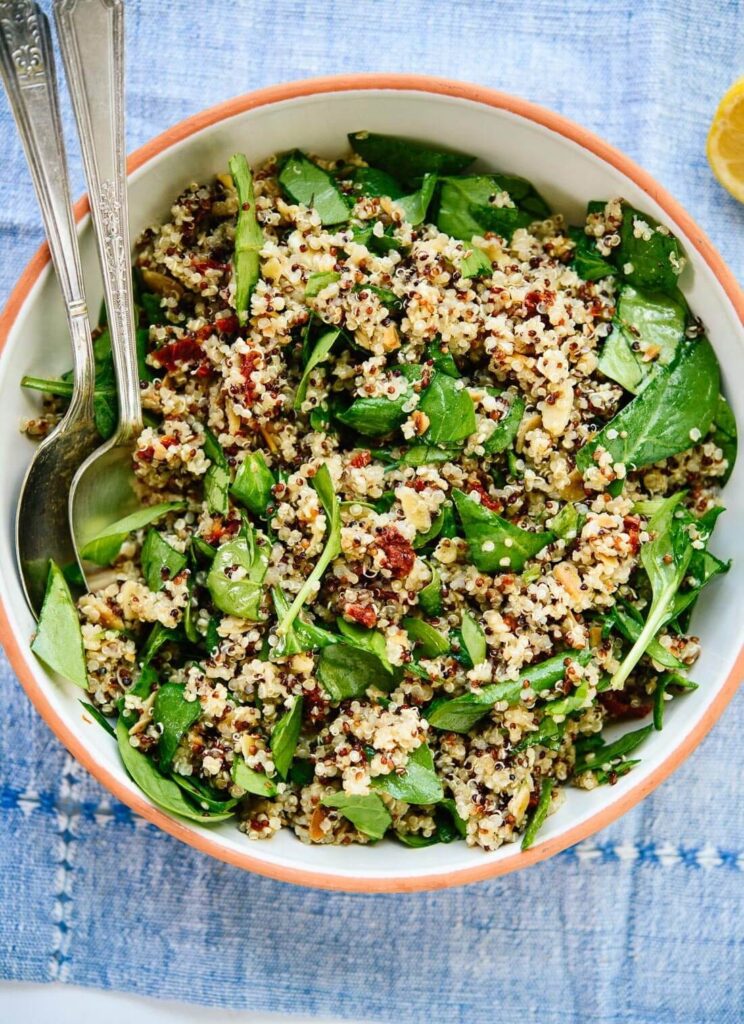
- Quinoa
- Whole wheat bread or pasta
- Barley
- Millet
- Buckwheat
Whole grains are associated with reduced risk of coronary heart disease and improved gut microbiota diversity (Aune et al., 2016). Oats are particularly beneficial due to their beta-glucan content, which supports cholesterol management.
Lean Proteins
- Eggs
- Canned tuna or salmon (in water)
- Chicken breast or thighs
- Ground turkey
- Greek yogurt (plain)
- Cottage cheese
- Dry or canned beans (black beans, chickpeas)
- Lentils
- Tofu or tempeh
High-protein foods promote satiety and muscle maintenance. A meta-analysis found that higher protein intake supports fat loss while preserving lean mass during energy restriction (Wycherley et al., 2012).
Healthy Fats
- Olive oil
- Avocados
- Nuts (almonds, walnuts, peanuts)
- Seeds (chia, flax, sunflower)
- Natural peanut or almond butter
Mono- and polyunsaturated fats are essential for hormone regulation and cell membrane integrity. Omega-3-rich foods like walnuts and flaxseeds also reduce inflammation (Calder, 2006).
Herbs, Spices, and Condiments
- Turmeric
- Black pepper
- Cinnamon
- Oregano
- Cumin
- Paprika
- Mustard
- Apple cider vinegar
- Low-sodium soy sauce
Herbs and spices boost flavor without added calories or sodium. Many also have anti-inflammatory properties. For instance, curcumin in turmeric has been shown to improve markers of inflammation and oxidative stress (Hewlings & Kalman, 2017).
Pantry Staples
- Canned tomatoes
- Low-sodium broth
- Tomato paste
- Dry pasta
- Rice
- Lentils
- Canned beans
- Nut butters
- Rolled oats
These items serve as the base for numerous meals and are often shelf-stable, making them both economical and practical.
Snacks and Extras

- Popcorn (plain kernels)
- Rice cakes
- Hard-boiled eggs
- Baby carrots
- Fresh fruit
- Roasted chickpeas
- Trail mix (DIY)
Homemade snacks offer better control over ingredients and cost. For instance, air-popped popcorn is a whole grain, low-calorie snack with fiber.
Smart Shopping Tips for Clean Eating on a Budget
Plan Your Meals and Stick to the List
Impulse purchases increase grocery bills. Meal planning ensures you buy only what you need and can use. Studies show that individuals who plan meals are more likely to eat healthy and save money (Reicks et al., 2018).
Avoid Pre-Cut or Pre-Seasoned Items
Convenience costs. Pre-washed lettuce and chopped vegetables can be double the price. Buy whole and prep at home for savings.
Cook in Batches and Freeze
Batch cooking minimizes food waste and optimizes time. Soups, stews, and casseroles freeze well and use inexpensive ingredients.
Use Unit Pricing
Unit pricing (e.g., cost per ounce) helps compare true value between products. Many store brands offer the same quality at a lower price than national brands.
Limit Sugary and Packaged Items
Highly processed snacks and beverages drain the budget and offer minimal nutritional value. Skipping just one $3 processed snack item per grocery trip saves over $150 a year.
Sample $50 Weekly Grocery List for One Person
| Item | Estimated Price (USD) |
|---|---|
| Brown rice (2 lbs) | $2.00 |
| Rolled oats (18 oz) | $2.50 |
| Eggs (1 dozen) | $3.00 |
| Chicken thighs (2 lbs) | $6.00 |
| Lentils (1 lb) | $1.50 |
| Canned black beans (2 cans) | $2.00 |
| Frozen broccoli (1 lb) | $2.00 |
| Fresh carrots (2 lbs) | $2.00 |
| Apples (3 lbs) | $3.50 |
| Bananas (1.5 lbs) | $1.00 |
| Peanut butter (16 oz) | $2.00 |
| Greek yogurt (32 oz, plain) | $4.00 |
| Olive oil (16 oz) | $4.00 |
| Onion (3 lbs) | $2.00 |
| Garlic bulb | $0.50 |
| Canned tomatoes (2 cans) | $2.00 |
| Spices (assorted, generic brand) | $2.00 |
| TOTAL | ~$50.00 |
Clean Eating and Long-Term Sustainability
Clean eating should be sustainable and enjoyable. Including variety, flavor, and flexibility is key to long-term adherence. Clean eating is not about restriction but about empowering yourself to make food choices that nourish the body and mind.
Debunking the “Expensive Healthy Eating” Myth
A meta-analysis published in BMJ Open found that eating healthy costs about $1.50 more per day than less healthy options (Rao et al., 2013). That equates to $10.50 per week—less than the price of one fast food combo meal. When weighed against the long-term health savings, the investment is negligible.
Conclusion
Clean eating on a budget is not only possible—it’s practical, sustainable, and deeply beneficial. By prioritizing whole foods, shopping smart, and planning ahead, you can nourish your body without financial strain. This approach supports not just physical health but also mental clarity, performance, and longevity.
Bibliography
Aune, D., Keum, N., Giovannucci, E., Fadnes, L.T., Boffetta, P., Greenwood, D.C., Tonstad, S., Vatten, L.J. and Riboli, E., 2016. Whole grain consumption and risk of cardiovascular disease, cancer, and all cause and cause specific mortality: systematic review and dose-response meta-analysis of prospective studies. BMJ, 353, p.i2716.
Calder, P.C., 2006. n−3 polyunsaturated fatty acids, inflammation, and inflammatory diseases. The American Journal of Clinical Nutrition, 83(6), pp.1505S-1519S.
Hewlings, S.J. and Kalman, D.S., 2017. Curcumin: a review of its’ effects on human health. Foods, 6(10), p.92.
Higdon, J.V., Delage, B., Williams, D.E. and Dashwood, R.H., 2007. Cruciferous vegetables and human cancer risk: epidemiologic evidence and mechanistic basis. Pharmacological Research, 55(3), pp.224-236.
Krikorian, R., Shidler, M.D., Nash, T.A., Kalt, W., Vinqvist-Tymchuk, M.R., Shukitt-Hale, B. and Joseph, J.A., 2010. Blueberry supplementation improves memory in older adults. Journal of Agricultural and Food Chemistry, 58(7), pp.3996-4000.
Monteiro, C.A., Moubarac, J.C., Levy, R.B., Canella, D.S., Louzada, M.L.C. and Cannon, G., 2019. Household availability of ultra-processed foods and obesity in nineteen European countries. Public Health Nutrition, 21(1), pp.18-26.
Rao, M., Afshin, A., Singh, G. and Mozaffarian, D., 2013. Do healthier foods and diet patterns cost more than less healthy options? A systematic review and meta-analysis. BMJ Open, 3(12), p.e004277.
Reicks, M., Trofholz, A.C., Stang, J.S. and Laska, M.N., 2018. Impact of cooking and home food preparation interventions among adults: outcomes and implications for future programs. Journal of Nutrition Education and Behavior, 50(2), pp.140-152.
Satija, A., Bhupathiraju, S.N., Rimm, E.B., Spiegelman, D., Chiuve, S.E., Borgi, L., Willett, W.C., Manson, J.E., Sun, Q. and Hu, F.B., 2016. Plant-based dietary patterns and incidence of type 2 diabetes in US men and women: results from three prospective cohort studies. PLoS Medicine, 13(6), p.e1002039.
Wycherley, T.P., Moran, L.J., Clifton, P.M., Noakes, M. and Brinkworth, G.D., 2012. Effects of energy-restricted high-protein, low-fat compared with standard-protein, low-fat diets: a meta-analysis of randomized controlled trials. The American Journal of Clinical Nutrition, 96(6), pp.1281-1298.