“Humans are built to move. We evolved under conditions that required daily intense physical activity, and even among individuals with lower physical potential, that hard-earned genotype is still ours today. The modern sedentary lifestyle leads to the inactivation of the genes related to physical performance, attributes that were once critical for survival and which are still critical for the correct, healthy expression of the genotype. The genes are still there, they just aren’t doing anything because the body is not stressed enough to cause a physiological adaptation requiring their activation. The sedentary person’s heart, lungs, muscles, bones, nerves and brain all operate far below the level at which they evolved to function, and at which they still function best.” ― Mark Rippetoe, Practical Programming for Strength Training
Squats have long been a go-to exercise in the gym for the lower body. This article will take a closer look at can you build legs without squats and provide practical options for your journey in building muscle without the standard lift.


Whether you are injured, can’t do them safely, or simply do not care for a standard back squat, the good news is building big legs is easy (and fun) without squats. While the squat is a multi-joint exercise that targets the thighs and glutes, the alternatives can induce hypertrophy and build strength just as effectively while targeting the many leg muscles we have.
[wpcode id=”229888″]Let’s take a close look at what building a big lower half can do for your workout and why it is important to build big legs. This information can serve as a realistic guide towards meeting your lower body goals and can be a foundation for your workouts ahead.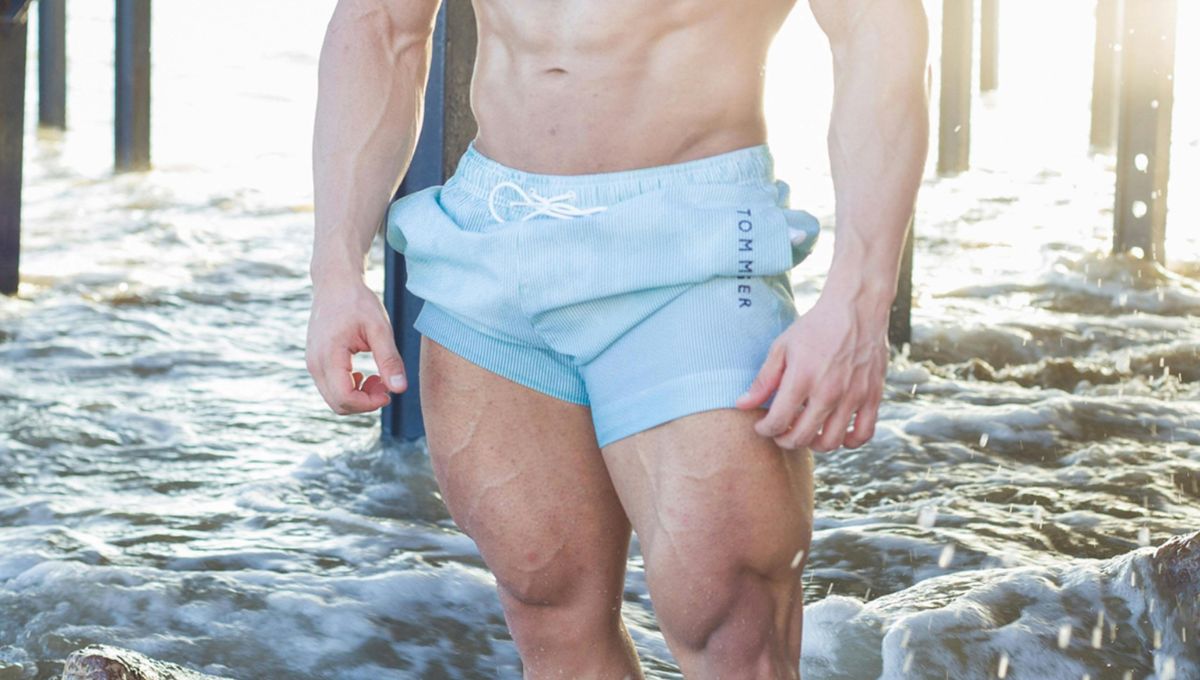
Why Big Legs? The Functionality of Lower Body Muscles
The legs are the foundation of the body and can truly set up gains in various other parts in your workouts. Are you an athlete competing in HIIT programs? Yeah, building big legs will really be critical for those box jumps. Do you go hiking or enjoy going for a jog? Building big legs can help to propel you for any long or short distance trek and help to make the experience more enjoyable.
The point here is that building big legs is just as important, if not more, than building a big chest or arms. The anatomy of the lower body contains many muscles and serve valuable roles in your body’s stability, movement, and range of motion. These muscles are briefly described ahead with some information on the movements they create in the body, so you can have a better understanding on how to best work these areas. 
What Muscles Contribute to Big Legs?
Achieving big legs is as simple as knowing the anatomy of the lower body. The legs contain many muscles and some of which are vital for being big. Let’s look at the muscles that are responsible for big legs and how they act on the lower portion of the body.
- Quads. Building big legs means you will need to work the quads. Consisting of four muscles that form a group, the quad muscles include the rectus femoris, vastus intermedius, vastus lateralis, and vastus medialis. These muscles are primarily responsible for pulling on the lower leg for knee extension and hip flexion. If you want big legs, this muscle group is an important area to start.
- Hamstrings. The hamstrings are another set of three muscles that form a powerful group working together. This group of muscles consist of the semimembranosus, semitendinosus, and the biceps femoris and can add another element in building big legs muscles. These muscles pull on the upper portion of the lower leg posteriorly and perform knee flexion, hip extension, and hip hyperextension.
- Glutes. Perhaps the most sought-after area for men and women to work in the gym, the glutes are vital for growing big legs. The glutes consist of three muscles, the gluteus maximus, gluteus minimus, and the gluteus medius. The gluteal maximus is the biggest muscle of these three. It is most important when building big legs and is the most powerful of this group.
- Calf Muscles. The calf muscle, known as the gastrocnemius, is a muscle that is easily noticeable since it is highly visible no matter the attire. This powerful muscle contains two attachment heads into the back of the knee and join at the heel to create the Achilles tendon. Building big legs must involve the calves and functionally this can help to support lower body circulation.
Which Muscles do Squats Work?
The reason squats are an essential lift for building big legs is because they are extremely efficient. The back squat focuses on the biggest parts of the legs including the quads, hamstrings, and primarily the glutes. As a multi-joint exercise, squats truly can be a powerful lift.
However, while squats are highly efficient and work many muscles in the legs, they are not necessary to develop hypertrophy in the lower body. In fact, performing back squats may not be needed at all when building strong and big legs. Let’s look at lifts that target the legs for bigger muscles.
5 Lower Body Lifts for Big Legs
These lower body lifts for big legs are designed to induce hypertrophy gains. Aim for 3-4 sets of pyramid stacks of 10, 8, 6, 2-4 reps while adding weight with each set for maximal results. The additional weight that is added is vital for adding muscle and creating gains that can build big legs.
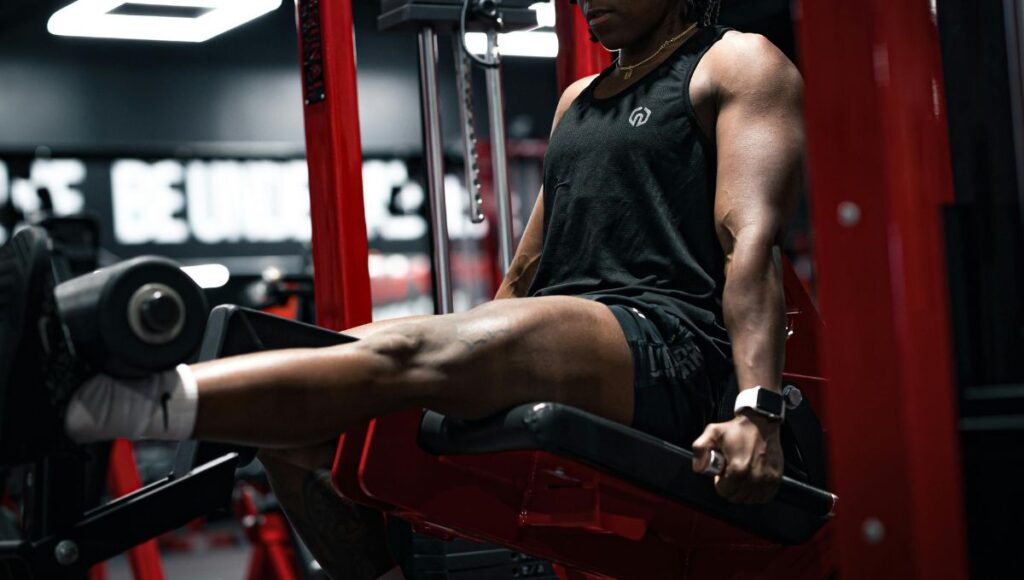
- Seated Leg Extension – The seated leg extension is an exercise that focuses on the quads, since the primary movement involves extending the knee joint. Look to steady and controlled movements for standard training or mix it up with power-type of concentric motions for maximal results.
- Prone Hamstring Curl – This standard hamstring exercise is an old reliable for building big legs. Focus on squeezing the legs to bring the feet to the glutes on every concentric movement for optimal results.
- Weighted Step-Ups – Adding heavy dumbbells or a weighted vest can add necessary resistance to make step-ups challenging. Use a bench or platform (think 12–18-inch box platform) for optimal height. This works each part of the legs, but focuses concentrically on the quads.
- Romanian Deadlift – A great alternative to squats, the Romanian deadlift targets the glutes and hamstrings. The trick to this deadlift variation is to keep slightly bent knees throughout the movement for optimal results.
- Standing Barbell Calf Raise – Focusing on the calf muscles can occur through standing or seated positions. This version involves a slow and controlled movements using weight added to the barbell and rested on the shoulders, like a back squat.
Do We Absolutely Need Squats?
How can you build big legs without squats unless you have an open mind? Consider the information above as a realistic guide to building strong and big leg muscles without having to do a squat (or variation of squat for that matter).
Aim for heavy weight within reason, consider pyramid stacks with incremental weight, and wait for the results.
Resources
https://www.ncbi.nlm.nih.gov/books/NBK513334