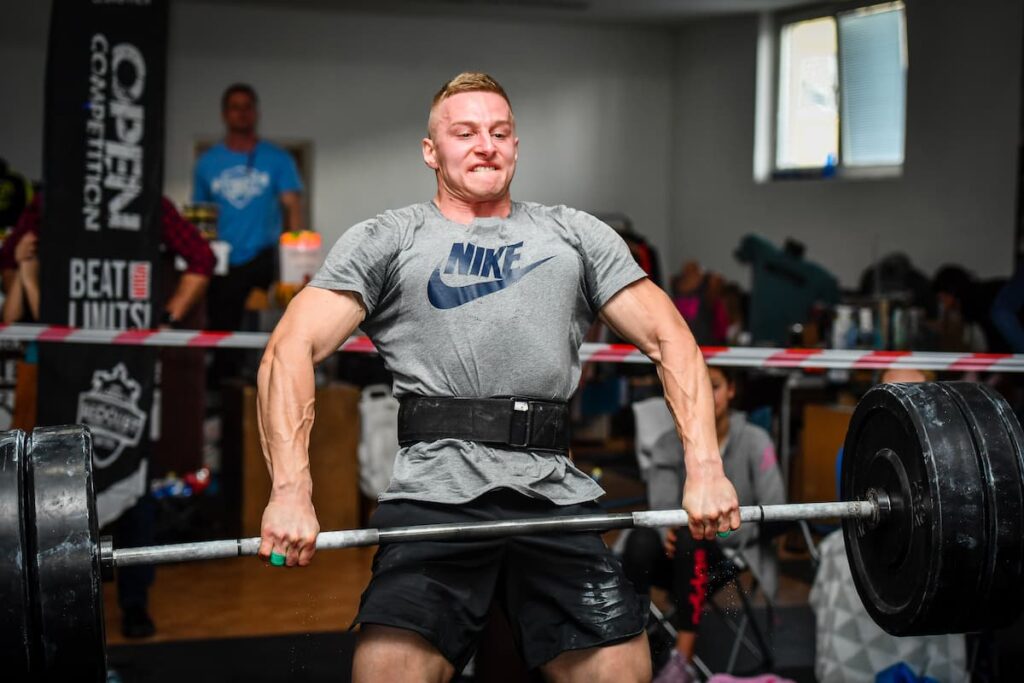
Post-workout nutrition is essential to recovery, muscle growth, and optimal performance. During intense training, your body undergoes significant physiological stress: glycogen stores are depleted, muscle fibers are damaged, and electrolytes are lost through sweat.
What you consume afterward plays a critical role in how effectively you repair, grow, and get stronger. This article examines three of the most scientifically supported, nutrient-dense foods to eat after gym training: eggs, salmon, and sweet potatoes.


Each is analyzed through the lens of current scientific evidence, including macronutrient composition, micronutrient density, and recovery impact.
Why Post-Workout Nutrition Matters
Muscle repair and glycogen replenishment are time-sensitive processes. After a workout, particularly resistance or endurance-based, muscle protein synthesis (MPS) is elevated for up to 24–48 hours. However, the greatest anabolic response occurs within the first few hours post-exercise, commonly referred to as the “anabolic window” (Ivy, 2004). Consuming the right nutrients during this period maximizes muscle repair and replenishes muscle glycogen more efficiently (Jentjens & Jeukendrup, 2003).
Protein is necessary to supply amino acids for MPS, while carbohydrates restore glycogen and support insulin secretion, enhancing nutrient uptake into muscles. Fats, though not immediately essential post-workout, may contribute to hormonal recovery and satiety.
Egg: The Muscle-Building Powerhouse

Nutritional Overview
Eggs are a complete source of protein, containing all nine essential amino acids. One large egg provides approximately 6.3 grams of high-quality protein, 5 grams of fat, and numerous micronutrients including vitamin D, choline, selenium, and B vitamins.
Muscle Protein Synthesis and Bioavailability
Egg protein has one of the highest biological values (BV) and protein digestibility-corrected amino acid scores (PDCAAS), making it exceptionally efficient for muscle recovery. A study by Moore et al. (2009) showed that 20–25 grams of high-quality protein post-exercise significantly enhances MPS in young men. Another study by Burd et al. (2012) compared whole eggs versus egg whites and found that whole eggs stimulated greater MPS due to the synergistic role of yolk-derived nutrients.
Leucine and Anabolic Signaling
Leucine, the branched-chain amino acid (BCAA) most responsible for initiating MPS via mTOR signaling, is present in significant amounts in eggs. Research indicates that approximately 2–3 grams of leucine is required to maximally stimulate MPS (Norton & Layman, 2006), and 3 whole eggs deliver nearly 2.5 grams.
Choline and Recovery
Choline, abundant in egg yolks, is a precursor for acetylcholine, a neurotransmitter involved in muscle contraction. Studies suggest choline status can influence performance and neuromuscular function (Zeisel & da Costa, 2009).
Salmon: The Anti-Inflammatory Protein Source

Macronutrient Profile
A 100g serving of wild-caught salmon delivers around 22–25 grams of protein, 12–15 grams of fat, and is rich in omega-3 fatty acids (EPA and DHA). It also supplies vitamins D and B12, selenium, and potassium.
Omega-3 Fatty Acids and Inflammation
Exercise-induced muscle damage leads to inflammation, which can delay recovery if unmanaged. Salmon’s omega-3 content offers potent anti-inflammatory effects. Tartibian et al. (2010) demonstrated that omega-3 supplementation reduced exercise-induced muscle soreness and inflammation markers such as interleukin-6 and C-reactive protein.
Protein Quality and MPS
Like eggs, salmon provides all essential amino acids and is highly digestible. A study by Smith et al. (2011) observed that omega-3s enhance the anabolic response to insulin and amino acids in older adults, suggesting that salmon not only supplies protein but may also increase the body’s sensitivity to other nutrients.
Vitamin D and Muscle Function
Vitamin D receptors are found in muscle tissue. Deficiency in vitamin D is associated with reduced muscle strength and higher injury risk (Ceglia, 2009). Salmon is among the richest dietary sources of vitamin D, making it beneficial for those training indoors or in low-sunlight environments.
Sweet Potatoes: The Complex Carbohydrate Hero
Carbohydrate Composition
Sweet potatoes are a complex carbohydrate source, offering about 26 grams of carbs per 150g serving. They provide a low-to-moderate glycemic load, which supports steady glucose release—ideal for glycogen replenishment without causing insulin spikes.
Glycogen Replenishment
Post-exercise glycogen synthesis is most efficient within the first 2 hours after training. According to Jentjens & Jeukendrup (2003), consuming carbohydrates at a rate of 1.2g/kg/hour can maximize glycogen storage. Sweet potatoes contribute to this goal while providing dietary fiber, promoting digestive health.

Micronutrients for Recovery
Rich in potassium (over 400mg per 150g), sweet potatoes help replace electrolytes lost in sweat. They also contain magnesium, which is critical for muscle contraction and relaxation, and beta-carotene, a precursor to vitamin A, which supports immune function—important for hard-training athletes.
Antioxidant Properties
Exercise increases the production of reactive oxygen species (ROS), which can impair muscle recovery. Sweet potatoes are rich in antioxidants, such as beta-carotene and anthocyanins (especially in purple varieties), which scavenge free radicals and mitigate oxidative stress (Bloomer et al., 2006).
How to Combine These Foods for Optimal Recovery
Meal Example 1: Salmon & Sweet Potato Plate
A post-workout meal of 150g grilled salmon, 200g mashed sweet potato, and steamed broccoli provides:
- ~30g protein
- ~50g complex carbohydrates
- Omega-3 fatty acids
- Potassium and magnesium
This meal addresses muscle repair (salmon protein), inflammation (omega-3s), and glycogen replenishment (sweet potatoes), while the fiber and micronutrients support digestive and immune health.
Meal Example 2: Egg-Based Recovery Wrap
A wrap made with 3 whole eggs, spinach, and avocado on a whole wheat tortilla offers:
- ~20g protein
- Healthy fats
- B vitamins
- Iron and magnesium
This option is ideal for morning or midday workouts, offering a balance of muscle-building and energizing nutrients in a portable format.
Additional Considerations
Timing
While the concept of a strict “anabolic window” has evolved, recent meta-analyses (Schoenfeld & Aragon, 2013) suggest that consuming protein within 1–2 hours post-exercise still confers significant advantages, especially when pre-exercise nutrition was suboptimal.
Hydration and Electrolytes
Foods like salmon and sweet potatoes naturally contribute to electrolyte restoration through sodium, potassium, and magnesium. However, water intake remains essential post-exercise. Including sodium via a small pinch of salt or naturally salty foods can enhance fluid retention and rehydration.
Individual Needs
The quantity of post-workout nutrients depends on the type, duration, and intensity of the exercise, as well as the athlete’s body weight and goals. Resistance training may prioritize protein, while endurance athletes often require higher carbohydrate loads.
Conclusion
Post-gym nutrition is not about quick fixes or fads. It’s about strategically choosing foods that enhance the recovery process, support muscle adaptation, and fuel future performance. Eggs, salmon, and sweet potatoes meet these criteria due to their unique nutrient profiles, backed by a robust body of scientific literature.
Each food contributes synergistically to replenishing glycogen, reducing inflammation, and promoting muscle protein synthesis—core objectives of effective recovery. By consistently incorporating these foods into your post-workout meals, you can optimize the results of your training and support long-term athletic development.
References
Burd, N.A., Yang, Y., Moore, D.R., Tang, J.E., Tarnopolsky, M.A., & Phillips, S.M. (2012). Greater stimulation of myofibrillar protein synthesis with ingestion of whole eggs compared with egg whites in young men. American Journal of Clinical Nutrition, 95(1), 108-117.
Bloomer, R.J., Goldfarb, A.H., McKenzie, M.J. (2006). Oxidative stress response to aerobic exercise: comparison of antioxidant supplements. Medicine and Science in Sports and Exercise, 38(6), 1098–1105.
Ceglia, L. (2009). Vitamin D and skeletal muscle tissue and function. Molecular Aspects of Medicine, 29(6), 407–414.
Ivy, J.L. (2004). Regulation of muscle glycogen repletion, muscle protein synthesis and repair following exercise. Journal of Sports Science & Medicine, 3(3), 131–138.
Jentjens, R.L.P.G., & Jeukendrup, A.E. (2003). Determinants of post-exercise glycogen synthesis during short-term recovery. Sports Medicine, 33(2), 117–144.
Moore, D.R., Robinson, M.J., Fry, J.L., Tang, J.E., Glover, E.I., Wilkinson, S.B., Prior, T., Tarnopolsky, M.A., & Phillips, S.M. (2009). Ingested protein dose response of muscle and albumin protein synthesis after resistance exercise in young men. American Journal of Clinical Nutrition, 89(1), 161–168.
Norton, L.E., & Layman, D.K. (2006). Leucine Regulates Translation Initiation of Protein Synthesis in Skeletal Muscle after Exercise. Journal of Nutrition, 136(2), 533S–537S.
Schoenfeld, B.J., & Aragon, A.A. (2013). Nutrient timing revisited: is there a post-exercise anabolic window?. Journal of the International Society of Sports Nutrition, 10, 5.
Smith, G.I., Atherton, P., Reeds, D.N., Mohammed, B.S., Rankin, D., Rennie, M.J., & Mittendorfer, B. (2011). Omega-3 polyunsaturated fatty acids augment the muscle protein anabolic response to hyperinsulinaemia–hyperaminoacidaemia in healthy young and middle-aged men and women. Clinical Science, 121(6), 267–278.
Tartibian, B., Maleki, B.H., & Abbasi, A. (2010). The effects of omega-3 supplementation on markers of inflammation and muscle damage after strenuous exercise. Journal of Sports Science & Medicine, 9(3), 432–438.
Zeisel, S.H., & da Costa, K.A. (2009). Choline: an essential nutrient for public health. Nutrition Reviews, 67(11), 615–623.