Pre-training nutrition plays a critical role in optimizing physical performance, enhancing recovery, and reducing fatigue during exercise. Selecting the right foods to eat before training can elevate endurance, boost strength, and even improve cognitive focus. While there are many options available, only a few whole foods truly meet the criteria for being “superfoods” when it comes to pre-workout energy.
This article explores three scientifically supported high-energy superfoods that can significantly enhance your performance when consumed before training. Each food is backed by peer-reviewed research and explained in detail to provide clear, evidence-based guidance.


What Makes a Food a Pre-Training “Superfood”?
To qualify as a pre-training superfood, a food must meet the following criteria:
- High Nutrient Density: It should contain a wide range of macronutrients and micronutrients vital for energy production and muscle function.
- Sustained Energy Release: It must promote stable blood glucose and avoid rapid insulin spikes or crashes.
- Ergogenic Benefits: It should have proven performance-enhancing properties supported by clinical trials.
- Digestive Efficiency: It should be easily digestible and not cause gastrointestinal distress during training.
- Functional Adaptation: Long-term use should support training adaptations, such as increased mitochondrial density or glycogen storage.
The following three foods meet and exceed these criteria.
1. Oats
Nutritional Profile
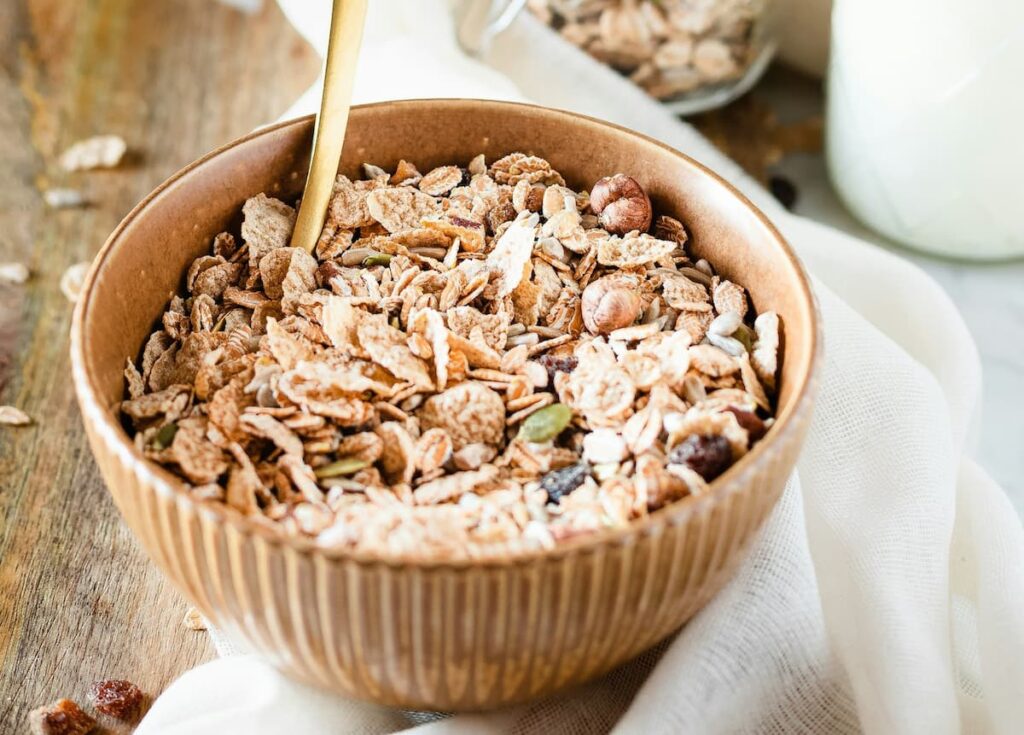
Oats are whole grains rich in complex carbohydrates, soluble fiber (particularly beta-glucans), plant-based protein, and micronutrients like magnesium, phosphorus, manganese, and B-vitamins. A 50g serving of rolled oats provides approximately 30g of complex carbohydrates, 5g of protein, and 4g of fiber, making it an ideal source of slow-release energy.
Sustained Energy Release
The glycemic index (GI) of oats is low to moderate (around 55 for rolled oats), which allows for gradual digestion and absorption. This ensures a steady supply of glucose to working muscles without spiking insulin levels. The beta-glucan content further slows gastric emptying, extending satiety and energy delivery.
Effects on Performance
A randomized controlled trial by Stevenson et al. (2009) demonstrated that athletes who consumed low-GI foods like oats 45–60 minutes before endurance exercise exhibited enhanced fat oxidation and prolonged time to exhaustion compared to those consuming high-GI foods. Additionally, their post-exercise recovery was improved due to more stable blood glucose levels throughout the session.
Oats are also beneficial for strength and resistance training. Research from the Journal of Strength and Conditioning Research (2012) noted that slow-digesting carbohydrates such as those in oats helped maintain power output and reduce perceived exertion during high-intensity interval training (HIIT).
Micronutrient Support
Oats are rich in magnesium and B-vitamins, particularly B1 (thiamine), which is crucial for carbohydrate metabolism. Magnesium is a co-factor in over 300 enzymatic reactions, including ATP synthesis, which directly supports muscle contractions during training.
Pre-Training Recommendation
Consume 40–60g of oats 1 to 2 hours before training. Combine with a protein source like Greek yogurt or whey protein and a small amount of fat (e.g., chia seeds or peanut butter) for a balanced macronutrient profile.
2. Bananas

Nutritional Profile
Bananas are rich in fast-acting carbohydrates, potassium, vitamin B6, and natural sugars such as glucose, fructose, and sucrose. A medium banana (about 118g) contains 27g of carbohydrates, primarily from simple sugars, along with 422mg of potassium.
Immediate Energy Availability
Because of their relatively high GI (around 60), bananas are absorbed quickly, making them an excellent source of immediate pre-workout energy. The glucose component is rapidly taken up into the bloodstream, while fructose and sucrose are metabolized slightly slower, offering a multi-phase energy delivery profile.
Performance Enhancement
A study by Nieman et al. (2012) compared bananas to commercial carbohydrate drinks during a 75km cycling time trial. The results showed that bananas were equally effective at maintaining blood glucose and performance, and even provided additional antioxidant benefits due to their phenolic content.
Potassium in bananas plays a vital role in muscle contraction and preventing cramps during prolonged exercise. Potassium also supports nerve transmission, which is critical for neuromuscular function and coordination during training.
Blood Sugar Stability
Though bananas are higher on the GI scale than oats, their sugar composition includes resistant starches and fiber (around 3g per medium banana), which slightly blunts the insulin response. This makes them especially useful for shorter sessions or consumed in combination with lower-GI foods.
Micronutrient Impact
Vitamin B6 aids in amino acid metabolism and neurotransmitter synthesis, supporting focus and neuromuscular function. The antioxidant properties from dopamine and catecholamines in bananas may help counteract oxidative stress during high-intensity workouts.
Pre-Training Recommendation
Consume 1–2 medium bananas 30 to 45 minutes before training. For prolonged sessions or endurance activities, combine with a fat or protein source to reduce the glycemic load and prolong energy availability.
3. Beetroot
Nutritional Profile
Beetroot is high in dietary nitrates, folate, manganese, iron, and betalains (antioxidants). A standard serving of 250ml beetroot juice or 100g raw beetroot contains between 300 to 500mg of nitrate, the key compound behind its performance-enhancing properties.
Mechanism of Action
Once ingested, dietary nitrate is converted to nitrite via oral bacteria and then to nitric oxide (NO) in the body. Nitric oxide plays a pivotal role in vasodilation, improving blood flow, oxygen delivery, and mitochondrial efficiency. This mechanism leads to reduced oxygen cost during submaximal exercise and improved endurance.
Performance Evidence
A landmark study by Bailey et al. (2009) found that consuming beetroot juice for six consecutive days reduced the oxygen cost of walking and running and extended time to exhaustion by 16% in healthy individuals. Additional trials, including Wylie et al. (2013), have shown improved VO2 kinetics and reduced muscle fatigue in athletes following nitrate supplementation.
In resistance training, beetroot consumption enhances muscle pump and vascularity, leading to better nutrient delivery and waste clearance. A 2016 study in the European Journal of Applied Physiology confirmed improved peak power output and faster recovery in resistance-trained athletes who consumed beetroot juice.
Cognitive and Recovery Benefits
Nitric oxide also supports cognitive function during exercise by increasing cerebral blood flow. Furthermore, the betalains in beetroot have strong anti-inflammatory properties, reducing muscle soreness and oxidative stress post-exercise.
Timing and Dosage
For acute performance benefits, beetroot should be consumed 2 to 3 hours before training to allow time for nitrate conversion. Chronic consumption over several days may enhance adaptation and performance further.
Pre-Training Recommendation
Drink 250ml of beetroot juice or consume 100–150g of roasted beetroot 2 to 3 hours before endurance or high-intensity sessions. Combine with a carbohydrate source like oats or bananas to maximize glycogen availability and synergize nitric oxide delivery.
Bibliography
Bailey, S.J., Winyard, P., Vanhatalo, A., Blackwell, J.R., Dimenna, F.J., Wilkerson, D.P., et al. (2009). Dietary nitrate supplementation reduces the O2 cost of low-intensity exercise and enhances tolerance to high-intensity exercise in humans. Journal of Applied Physiology, 107(4), 1144–1155.
Nieman, D.C., Gillitt, N.D., Chen, G., Zhang, J., & Sha, W. (2012). Bananas as an energy source during exercise: A metabolomics approach. PLoS One, 7(5), e37479.
Stevenson, E.J., Williams, C., Nute, M.L., Swaile, Z., & Tsui, A. (2005). Influence of high-carbohydrate mixed meals with different glycemic indexes on substrate utilization during subsequent exercise. International Journal of Sport Nutrition and Exercise Metabolism, 15(3), 291–307.
Wylie, L.J., Kelly, J., Bailey, S.J., Blackwell, J.R., Vanhatalo, A., & Jones, A.M. (2013). Beetroot juice and exercise: pharmacodynamic and dose-response relationships. Journal of Applied Physiology, 115(3), 325–336.
Ziegenfuss, T.N., Hofheins, J.E., Mendel, R.W., Landis, J., & Anderson, R.A. (2012). Effects of a carbohydrate-electrolyte gel on endurance performance during prolonged cycling exercise. Journal of Strength and Conditioning Research, 26(11), 3181–3188.